Windows 11’s AI-Powered Everyday Experiences: What the Latest Update Means for the Future of Computing
In October 2026, Windows 11 received an update that aims to reimagine everyday experiences. That simple phrase carries enormous weight. It signals a turning point: artificial intelligence is no longer a separate app or a novelty feature. It is becoming the invisible layer that powers the operating system itself. For businesses and everyday users, this shift will change how we work, communicate, and solve problems. It also raises important questions about trust, privacy, and the skills we need to thrive in an AI-first world.
The Shift from Standalone AI to Ambient Intelligence
For years, AI lived in dedicated tools, chatbots, image generators, coding assistants. You had to open a browser or launch an app to use it. The latest Windows 11 update moves in a different direction. By focusing on everyday experiences, it suggests that AI is being woven into the fabric of the operating system. The goal is not to make you think about AI. The goal is to make your computer anticipate your needs, automate repetitive tasks, and surface relevant information without you asking.
This is the rise of ambient intelligence. In this model, AI works quietly in the background. It learns your patterns, understands context, and offers help at the right moment. For example, instead of manually searching for a file, your system might proactively suggest the document you need based on your calendar and recent work. Instead of adjusting settings yourself, the OS might optimize performance for the task at hand. These are not wild fantasies, they are the logical next steps when AI becomes a core part of the platform.
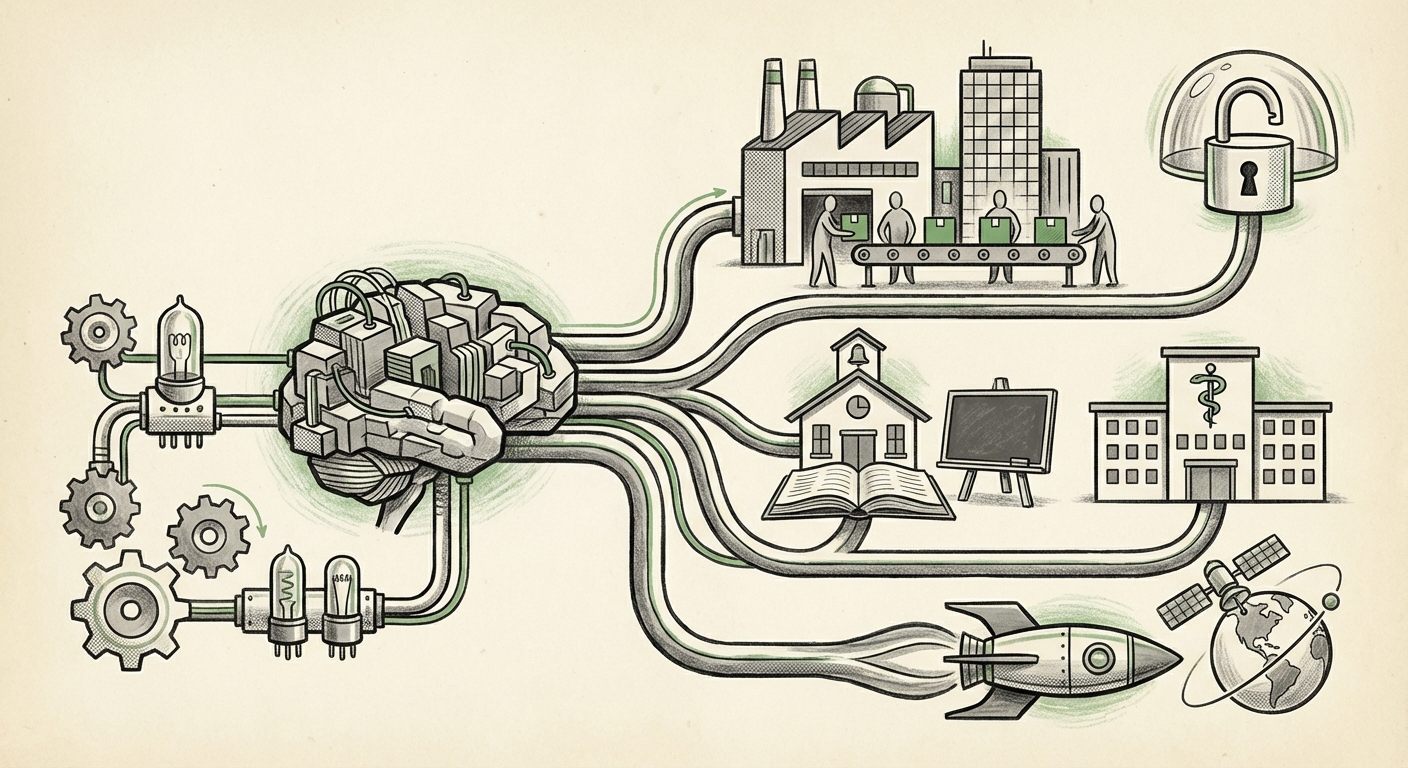
The implications are huge. When AI is everywhere, it becomes infrastructure. Like electricity or the internet, it fades into the background. That means businesses must stop thinking of AI as a project and start treating it as a foundational capability. The companies that succeed will be those that redesign their workflows around ambient intelligence, not those that simply bolt AI onto existing processes.
What “Reimagined Everyday Experiences” Means for Users
The update’s title emphasizes everyday experiences. That is a deliberate choice. It suggests that the improvements are not aimed at power users or developers alone. They are meant to make daily life smoother for everyone, from students writing essays to small business owners managing invoices to families organizing photos.
While specific features are still rolling out, the direction is clear. Expect to see more personalization, more automation, and more proactive assistance. Your device will learn your habits and preferences, then use that knowledge to reduce friction. This could mean fewer clicks, fewer decisions, and less time spent on mundane tasks. It could also mean better accessibility, with AI helping people with disabilities interact with their devices more naturally.
But there is a trade-off. The more your computer knows about you, the more you must trust it. Privacy and control become critical. Users will want to know what data is being collected, how it is used, and how they can opt out. The success of ambient AI will depend on transparency and user consent. Microsoft and other platform makers must get this right, or they risk a backlash.
The Business Impact: Productivity, Security, and Skills
For businesses, the Windows 11 update is a wake-up call. AI embedded in the operating system can dramatically boost productivity. Imagine a workforce where employees spend less time searching for information, formatting documents, or managing schedules. Instead, they focus on creative, strategic, and interpersonal work. That is the promise of ambient AI.
However, productivity gains come with new risks. Security is a major concern. If AI is deeply integrated into the OS, it becomes a potential attack surface. Malicious actors could try to manipulate AI assistants or exploit the data they access. Businesses must update their security policies to account for AI-driven workflows. They also need to train employees to recognize AI-generated phishing attempts and other threats.
Skills are another challenge. Many workers are not yet comfortable with AI. They may fear that automation will replace their jobs. The reality is more nuanced: AI will change jobs, not eliminate them entirely. The most successful workers will be those who learn to collaborate with AI, using it to augment their strengths rather than compete with it. Companies should invest in AI literacy programs, from basic prompt writing to understanding data privacy.
Actionable steps for business leaders:
- Audit your workflows: Identify repetitive tasks that AI could handle. Start with low-risk pilots.
- Update your policies: Create clear guidelines for AI use, data handling, and privacy.
- Train your team: Offer workshops on AI tools and their limitations. Encourage experimentation.
- Measure impact: Track productivity, quality, and employee satisfaction before and after AI adoption.
The Future of AI: From Tools to Partners
The Windows 11 update is part of a larger trend. AI is evolving from a tool you use to a partner you work with. In the near future, your operating system will not just respond to commands, it will anticipate needs, offer suggestions, and even challenge your assumptions. This shift will redefine the relationship between humans and computers.
For AI to become a true partner, it must be trustworthy. That means being transparent about its reasoning, acknowledging uncertainty, and allowing humans to override decisions. It also means being fair and unbiased. As AI becomes more integrated into daily life, these ethical considerations will move from the fringe to the center of product design.
We are also likely to see more multimodal AI, systems that understand text, voice, images, and gestures together. Windows 11’s focus on everyday experiences could include natural language interactions, visual recognition, and context-aware responses. This will make computers more accessible and intuitive, especially for people who are not tech-savvy.
The Road Ahead: Challenges and Opportunities
No major technological shift is without challenges. The rise of ambient AI in operating systems raises concerns about the digital divide. Not everyone can afford the latest hardware or has reliable internet access. If AI features require powerful chips or cloud connectivity, some users will be left behind. Platform makers and policymakers must work to ensure that the benefits of AI are widely shared.
Another challenge is dependency. As AI handles more tasks, humans may lose certain skills. For example, if AI writes our emails and schedules our meetings, we might become less adept at those tasks ourselves. This is not necessarily bad, we can redirect our attention to higher-value activities, but it requires conscious effort to maintain critical thinking and creativity.
Regulation is also evolving. Governments around the world are drafting rules for AI transparency, accountability, and safety. The Windows 11 update will likely be scrutinized under these new frameworks. Companies that proactively address compliance will build trust with users and avoid costly penalties.
Despite these challenges, the opportunities are immense. Ambient AI could make computing more human-centered, freeing us from tedious tasks and helping us focus on what matters. It could democratize access to expertise, giving small businesses capabilities that were once reserved for large enterprises. It could make technology more inclusive, adapting to individual needs and abilities.
Conclusion: A Quiet Revolution with Loud Implications
The Windows 11 update may not make headlines with flashy new features. Its power lies in its subtlety. By reimagining everyday experiences, it positions AI as an invisible helper that is always there, ready to assist. This is the future of computing: less about clicking buttons and more about natural, intuitive interactions.
For businesses, the message is clear: AI is no longer optional. It is becoming the backbone of productivity and innovation. Those who embrace it, thoughtfully, securely, and ethically, will gain a competitive edge. Those who ignore it risk falling behind.
For society, the shift raises important questions. How much control are we willing to give to AI? How do we ensure it benefits everyone? How do we stay human in an increasingly automated world? These are not just technical questions. They are human questions, and they deserve our attention.
The October 2026 Windows 11 update is a milestone, but it is also a beginning. The real revolution is just getting started.