DeepSeek's Enhanced Coding Agent Takes Aim at Anthropic: What It Means for the Future of AI
DeepSeek has released an enhanced coding agent with a clear goal: to rival Anthropic. It is a short announcement with a big message. The AI coding market is heating up, and DeepSeek wants a bigger place in it. For businesses and developers, this is more than a product update. It is a signal that the tools used to write, test, and fix software are becoming a major battleground in AI.
Coding agents are AI systems that help with software work. They can suggest code, explain errors, and help with repetitive tasks. They are not new, but they are getting more attention. As AI companies look for real-world uses, coding stands out. Software is central to almost every business. A tool that makes software work faster or better can have a direct impact on the bottom line. That is why DeepSeek's move matters.
What DeepSeek Announced and Why It Matters
DeepSeek dropped an enhanced coding agent designed to compete with Anthropic. The announcement did not include a long list of details, but the intent was clear. DeepSeek is not staying on the sidelines. It is going after the high end of AI coding tools, and it is using Anthropic as the benchmark.
That is a bold signal. Anthropic is a major name in AI, and being named as a rival tells the market that DeepSeek wants to be taken seriously. It also tells buyers that there will be more choices. Competition is usually good for customers. It can lead to better products, more innovation, and pressure on pricing. But it also creates noise. Teams will need to sort through claims and find out which tools actually work in daily use.
The move also shows where DeepSeek sees value. Coding is one of the most useful applications of AI. It is not just about writing lines of code. It is about understanding a problem, proposing a fix, checking the result, and working within a larger system. A good coding agent can save time and reduce boring work. A bad one can create bugs and security risks. The difference matters. DeepSeek's aim to rival Anthropic shows it wants to be in the conversation about the good ones.
Why Coding Agents Are the New AI Battlefield
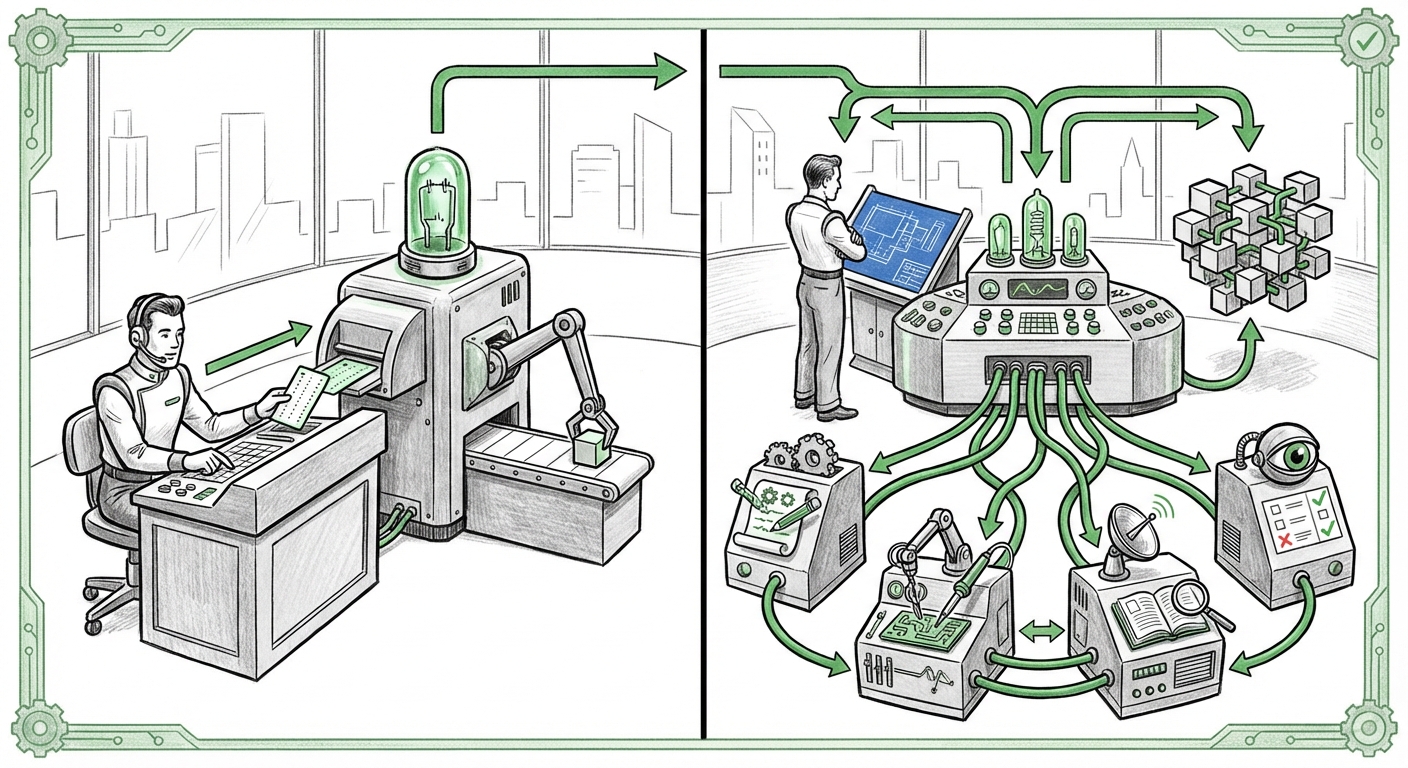
Coding agents are moving from simple helpers to more capable assistants. In the past, AI coding tools were mostly about autocomplete. They suggested the next line or the next function. That was useful, but limited. Now the focus is on agents that can handle bigger tasks. They can help plan a change, find bugs, explain errors, and suggest tests. They can work across more of the software development process.
This shift is important. Developers do not just need faster typing. They need tools that fit their workflow. They need help with the hard parts: understanding old code, spotting edge cases, and keeping systems safe. Companies need tools that are reliable and secure. They also need to know what data is being used and how the tool makes decisions.
The market for AI coding tools is crowded, but it is still growing. DeepSeek's move shows that it sees room for another strong player. Trying to rival Anthropic is a statement. It says DeepSeek is not content to be a small option. It wants to compete for serious work.
Competition like this often pushes everyone to improve. When one company raises the bar, others respond. That can mean better features, clearer documentation, and stronger safety measures. It can also mean lower costs. New entrants often try to win users with better value. That can bring AI coding tools to more teams, including smaller companies that could not afford them before. But buyers should not assume that a new tool is cheaper or better. They should test it.
What This Means for the Future of AI
DeepSeek's challenge to Anthropic is one example of a larger trend. AI is moving from general chatbots to specialized agents. General tools are useful for many things, but focused agents are where a lot of value will be created. A coding agent is one type. There will be agents for analysis, customer support, research, and more. The companies that can build agents that are useful, safe, and easy to trust will have an advantage.
Trust will be a major differentiator. Coding agents touch sensitive code. They may see private business logic, customer data, or security details. Companies will ask hard questions. How is the data protected? Can the tool introduce vulnerabilities? Who is responsible when something goes wrong? DeepSeek's move will push these questions into the open. Anthropic and other providers will need to answer them too.
Human oversight will remain essential. Agents can help with drafts and suggestions, but people must review the work. The future is not about replacing developers. It is about collaboration. The best results will come from teams that use agents for speed and people for judgment.
The line between tools and teammates will blur. Agents will take on multi-step tasks. They will need clear instructions and good feedback. That means developers will need new skills. They will need to learn how to guide an agent, check its output, and integrate it into a team. Governance must keep up. Policies, security checks, and review processes will matter as much as the model itself.
Practical Implications for Businesses
Businesses should see DeepSeek's move as a reason to review their AI coding strategy. The market is changing, and it is not wise to ignore new options. But it is also not wise to switch everything overnight. A measured approach works best.
- Pilot new tools. Test DeepSeek's enhanced coding agent and other options in a controlled setting. Pick one team and one project. Do not roll it out to everyone at once.
- Measure real outcomes. Look at time saved, bug rates, code quality, and developer satisfaction. Do not rely on demos alone.
- Set clear rules. Define what code can be shared with AI tools. Protect secrets, customer data, and private logic.
- Keep humans in the loop. Require review for critical code. Use agents for drafts and suggestions, not final decisions.
- Train teams. Developers need to learn how to prompt, review, and validate AI output. Good training makes a big difference.
- Watch the competition. DeepSeek's challenge may push Anthropic and others to respond. Keep your options open.
- Think about security. AI-generated code can have flaws. Use scanners, tests, and review processes.
- Consider total cost. Look beyond license fees. Include training, integration, and review time.
What It Means for Developers
Developers should not fear this trend. Coding agents can remove boring work. They can help with boilerplate, documentation, and debugging. They can free up time for harder problems. But they can also produce wrong code. The skill that matters is judgment. Developers who can review AI output and catch mistakes will be more valuable.
It helps to treat an agent like a junior helper. Give clear instructions. Check the work. Use version control. Keep learning the fundamentals. The rise of agents does not remove the need for deep knowledge. It raises the bar for code review and system design. Developers who understand the whole system will be best placed to use agents well.
Risks and Open Questions
There are still many unknowns. Can DeepSeek's enhanced coding agent produce reliable code? The claim to rival Anthropic is a start, but the real test is everyday use. Quality matters. Security matters. Teams will need to see evidence, not just promises.
There is also a risk of dependency. If teams rely too much on one vendor, they may struggle if the tool changes or fails. Buyers should have fallback plans. Transparency is another issue. How does the agent work? What data was used to train it? Companies will ask these questions before trusting it with important code.
Regulation may also play a role. AI coding tools could face new rules in the future. Companies should stay informed. And there is always hype. A launch is not proof of long-term value. The real impact will show in daily work, over time.
Actionable Insights
- Start small. Pick one team and one project for a pilot.
- Define success. Use metrics like cycle time, review comments, and defect rates.
- Compare. Run a side-by-side test with your current tools.
- Set a policy. Write down rules for AI-generated code and data sharing.
- Invest in review. The best agent still needs a human.
- Watch costs. New competition may change pricing.
- Stay flexible. Do not lock into one vendor too early.
- Share lessons. Build internal knowledge about what works.
Conclusion
DeepSeek's enhanced coding agent is a clear signal. The AI coding market is not settled. Anthropic has a rival, and that is good for buyers. It means more innovation and more choices. But it also means more noise. The winners will be the tools that are useful, safe, and easy to trust.
Businesses should test, measure, and govern. Developers should adapt and sharpen their review skills. The future of AI is not one model or one company. It is a mix of specialized agents working with people. DeepSeek's move is one step in that direction. The real impact will show in daily work.