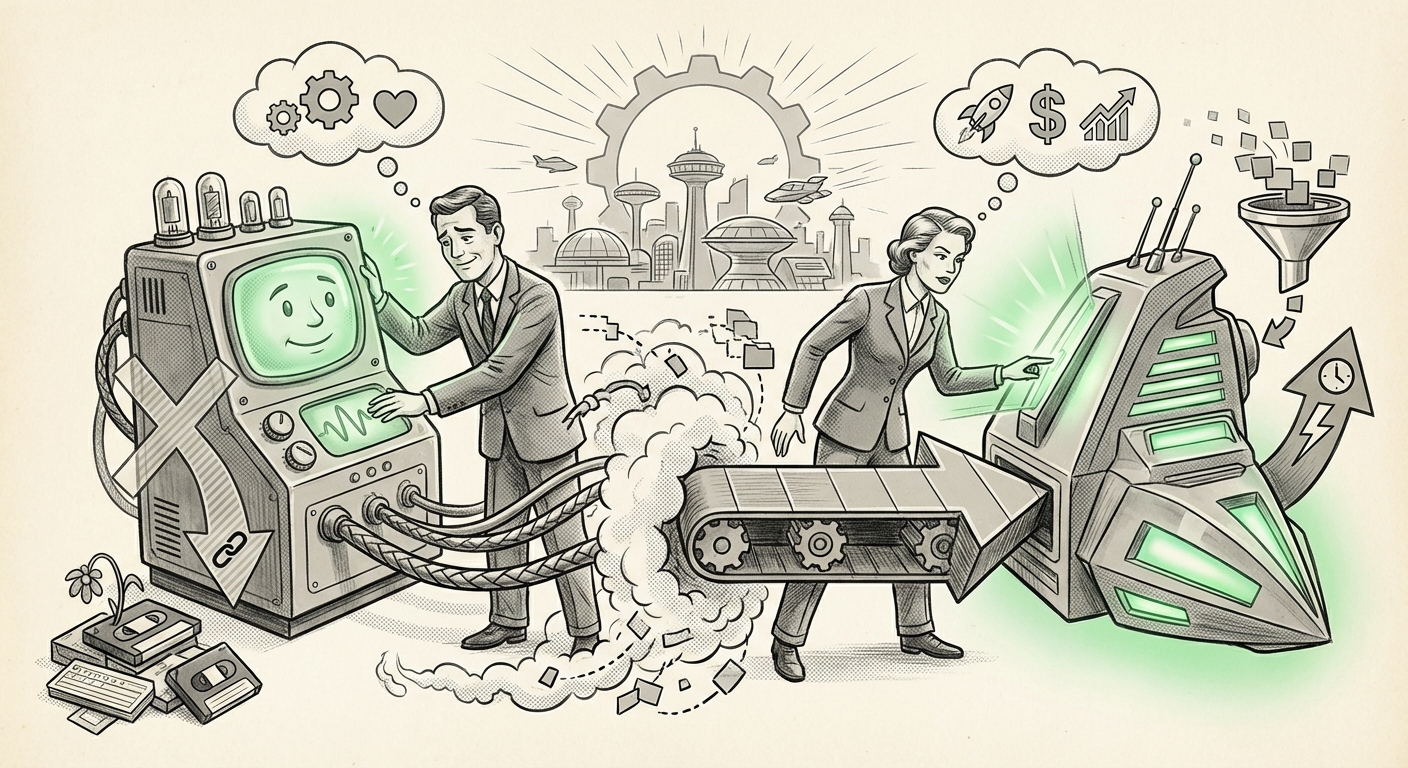
Codex Opens Its AI Models: The Open-Source Shift That Could Reshape AI
The headline is short: Codex is open sourcing its AI models. But the impact could be large. Open sourcing means Codex is letting others look at, use, and build on its AI. That is a major change from the usual closed-door approach. It could make AI cheaper, more flexible, and more widely used. It also raises new questions about safety, support, and control.
For years, the most powerful AI models were kept private. Companies sold access through services and licenses. That model worked, but it also put a lot of power in a few hands. Codex is now testing a different path. The move does not just affect developers. It affects businesses, schools, governments, and anyone who will use AI in the coming years.
What Open Sourcing AI Models Really Means
Open source is a way of sharing technology. The code is made public. Others can study it, change it, and share their changes. When a company open sources an AI model, it gives outside people a base to work from. They can adapt the model to their own data. They can test it for their own use. They can fix bugs. They can build new products on top of it.
This is very different from closed AI. With closed AI, the company keeps the model private. Users get access through a service. They can use it, but they cannot see inside. They cannot easily change it. They depend on the company for updates and pricing. Open source flips that. It gives users more control.
Open source does not always mean free. It can mean free, but it can also mean paid support, paid hosting, or paid add-ons. The key point is freedom. Users can run the model where they want. They can change it. They are not locked in.
Why Codex’s Move Matters Right Now
AI is moving from labs into everyday work. Companies use it for customer support, writing, coding, research, and planning. Schools use it for tutoring. Governments use it for services. As AI spreads, more people want control over it. They want to keep their data private. They want to avoid vendor lock-in. They want to customize the model for their needs.
Open models meet those needs. Codex joining the open side adds momentum. It signals that open source AI is not a side project. It is a serious option. That can push the whole market forward. Closed providers may need to offer more value. Open providers may need to offer more support. Users win when there is more choice.
The Big Trend: From Closed Rooms to Shared Tools
The first wave of modern AI was mostly closed. Big companies built large models and sold access. That made sense at the time. Training models was very expensive. Only a few players could do it. But the market is changing. Open models are getting better. Tools for running and tuning them are improving. Costs are coming down.
Codex’s move is part of that shift. It shows that open source can be a real strategy, not just a charity project. Companies can open their models and still build a business. They can sell support, hosting, security, and custom work. They can build a community that improves the model faster than a closed team could alone.
This trend matters because it changes the speed of innovation. When a model is open, thousands of developers can test it. They can find gaps. They can build fixes. They can adapt it to new languages, industries, and tasks. That can lead to faster progress in many small steps. It can also lead to a more diverse set of AI tools. That is good for users.
What This Means for Businesses
For business leaders, the Codex move is a signal to look again at open models. Many companies have relied on closed AI services because they were easy. But open models are now a real option. They can be cheaper at scale. They can be customized. They can be run inside a company’s own systems, which can help with privacy and control.
There are trade-offs. Open models can be harder to set up. They need skilled people. They need testing. They need security work. They need ongoing maintenance. Closed services handle some of that for you, but they also charge for it and keep control. The right choice depends on the use case.
A good first step is to compare open and closed models on the same tasks. Test quality. Test speed. Test cost. Test data privacy. Test support. Do not assume closed is always better. Do not assume open is always cheaper. Run a small pilot. Measure results. Then decide.
Build vs. Buy Gets More Interesting
Open models make the build-vs-buy question richer. A company can take an open model and fine-tune it on its own data. That can create a private model that knows the business. It can answer questions about internal policies. It can help with industry-specific tasks. This can be a strong advantage.
But fine-tuning is not magic. It needs clean data. It needs evaluation. It needs guardrails. Companies should not fine-tune on private data without a privacy plan. They should not deploy a model without testing. They should treat open models like any other software: with care, ownership, and maintenance.
Vendor Lock-In Weakens
One of the biggest business benefits of open models is less lock-in. Vendor lock-in means being stuck with one provider. It can be costly and slow. When a company uses a closed model, moving to another provider can be hard. Prompts may break. Costs may change. Features may disappear. With an open model, a company can run it itself. It can switch providers. It can keep using the same model even if a vendor changes terms.
That does not mean open models are risk-free. A company still needs people who understand the model. It still needs a deployment plan. But it has more options. In a fast-moving AI market, options matter.
What This Means for Society
Open AI models can broaden access. A small school may not be able to pay for a costly AI service. But it might run an open model on modest hardware. A local developer in a less-served language community might adapt an open model to their language. A nonprofit might build a tool for a cause it cares about. Open models can put AI in more hands.
That can be good for fairness. It can help close gaps between big and small organizations. It can let communities shape AI for their own needs. It can also support education. Students can learn how AI works by looking at the code and testing changes. That is a deeper kind of learning than just using a chat box.
But open models also bring risks. Once a model is public, it is hard to control. People can use it for good or bad. They can create spam, fake content, or harmful tools. They can also use it in ways that break privacy or spread bias. Open source does not remove those risks. It can make them more visible, but it can also make them harder to contain.
The Safety Question
Safety is the biggest concern with open AI. When a model is closed, the company can watch how it is used. It can block some uses. It can update the model quickly. When a model is open, that control is weaker. Once the model is out, it can be copied and changed. Bad actors can misuse it.
This does not mean open source is wrong. It means open source needs strong norms and clear rules. Companies should release model cards that explain what the model can and cannot do. They should share safety tests. They should use licenses that set expectations. They should work with the community to find and fix problems.
Codex’s move will be watched closely for how it handles these issues. The AI world needs examples of open releases that are both useful and responsible. If Codex gets that balance right, it could build trust. If it gets it wrong, it could add to fears about open AI.
Actionable Insights
- For business leaders: Add open models to your AI review. Test one or two against your current tools. Compare cost, quality, privacy, and support. Do not wait for a perfect open model. Start with a small, low-risk pilot.
- For developers: Learn how to run, fine-tune, and evaluate open models. Understand the licenses. Build a habit of testing for bias, safety, and accuracy. Join open communities. The skills you build now will be valuable as more models open up.
- For policymakers: Support open standards and safety testing. Avoid rules that only the biggest companies can meet. Invest in digital literacy and AI education. Open AI works best when users understand its limits.
- For investors: Look beyond model makers. Open AI creates demand for hosting, security, tuning, evaluation, and support. The value may move to the tools and services that make open models work in the real world.
- For society: Push for transparency. Ask for clear information about how AI models are tested and what they are used for. Open source can help, but it is not a cure-all. People still need the skills and power to use it well.
The Future: A Mix of Open and Closed
The future of AI is unlikely to be all open or all closed. It will probably be a mix. Some models will be open. Some will be closed. Some will be open with paid support. Some will be closed but built on open tools. Users will choose based on cost, control, privacy, and trust.
Codex’s move pushes the mix in a more open direction. It tells the market that open AI is here to stay. It gives developers another base to build on. It gives businesses another option. It gives researchers another window into how AI works. That is healthy for the field.
The real test will be in use. Open models only matter if people can use them well. That means good tools, clear docs, strong support, and real safety work. It means businesses need to invest in people, not just models. It means society needs to set norms for responsible use.
Codex is open sourcing its AI models. That is a bold step. It could make AI more accessible and more adaptable. It could speed up innovation. It could give more power to users. But it also asks more of them. Openness is not just a release. It is a responsibility. The future of AI will be shaped by how well we handle that responsibility.