AI Is Changing What It Means to Learn: What This Means for the Future of Work and Education
For generations, learning meant memorizing facts, mastering fixed skills, and earning a degree that would last a lifetime. But the rise of artificial intelligence is shaking that foundation. As AI becomes more capable, the old rules no longer apply. We need to reconsider what it means to learn.
This isn't just a philosophical question. It has real consequences for how we educate our children, train our workers, and design the AI systems of tomorrow. In this article, we'll explore why AI forces us to rethink learning, what the future of learning might look like, and how businesses and individuals can adapt.
Why AI Forces Us to Rethink Learning
AI systems can now access and process vast amounts of information almost instantly. They can answer questions, generate code, write reports, and even create art. This changes the value of traditional knowledge and skills. When a machine can recall facts better than you, memorization becomes less important. When AI can perform routine tasks, the skills that once guaranteed a job may become obsolete.
This doesn't mean knowledge is useless. Far from it. But it does mean that the ability to learn new things quickly, adapt to change, and think critically matters more than ever. The World Economic Forum's Future of Jobs report has highlighted that skills like analytical thinking, creativity, and resilience are in high demand. AI accelerates this trend.
Moreover, AI can personalize learning at scale. Imagine a tutor that adapts to your pace, style, and interests. That was once a luxury only the wealthy could afford. Now, AI-powered platforms can deliver personalized learning to anyone with a device. This is a big shift for education.
From Memorization to Critical Thinking
In an AI-rich world, knowing facts is less important than knowing how to evaluate them. With so much information at our fingertips, and so much of it potentially wrong, critical thinking becomes essential. We need to learn how to ask good questions, verify sources, and spot misinformation.
AI can help with this. For example, AI tutors can prompt students to think deeper, rather than just giving answers. But it can also hinder critical thinking if we rely on it too much. The key is to use AI as a tool to enhance our thinking, not replace it.
This shift also changes what we assess in education. Tests that measure recall are less relevant. Instead, we need to measure how well students can analyze problems, collaborate, and apply knowledge in new situations. Some schools are already experimenting with project-based learning and portfolios that showcase critical thinking. But systemic change is slow.
The Rise of Lifelong Learning
Because AI is accelerating the pace of change, the idea of "front-loading" education, learning everything in your youth and then working for 40 years, is outdated. The half-life of skills is shrinking. What you learn today may be obsolete tomorrow.
This makes lifelong learning a necessity, not a nice-to-have. Workers will need to continuously upskill and reskill. And AI can help. AI-powered platforms can recommend learning paths, deliver micro-lessons, and simulate real-world scenarios. Businesses can use AI to identify skill gaps and provide targeted training.
But lifelong learning also requires a mindset shift. It means being curious, adaptable, and comfortable with change. It means seeing learning as a continuous process, not a one-time event.
Implications for Education Systems
Schools and universities are at a crossroads. Many still operate on an industrial model: fixed curricula, age-based cohorts, and standardized tests. This model is ill-suited for a world where AI can provide personalized learning and where the skills that matter are constantly evolving.
Experts argue that education should focus more on "meta-learning", learning how to learn. This includes skills like goal-setting, self-assessment, and reflection. It also means teaching AI literacy: understanding what AI is, how it works, and its limitations.
Teachers' roles will change too. With AI handling routine tasks like grading and content delivery, teachers can focus on mentoring, coaching, and fostering social-emotional skills. This is a more human-centered approach to education.
However, there's a risk of widening inequality. Wealthy districts may adopt AI tools faster, while underfunded schools lag behind. Ensuring equitable access to AI in education is a major challenge.
What This Means for the Future of AI
The way we learn will also shape how AI evolves. If we want AI to enhance human learning, we need to design it accordingly. That means building AI systems that are transparent, explainable, and aligned with human values.
Future AI will likely become a learning companion. Imagine an AI that not only answers your questions but also helps you understand why the answer is what it is. It might guide you through problems, ask probing questions, and adapt to your learning style. This is already happening in some advanced tutoring systems.
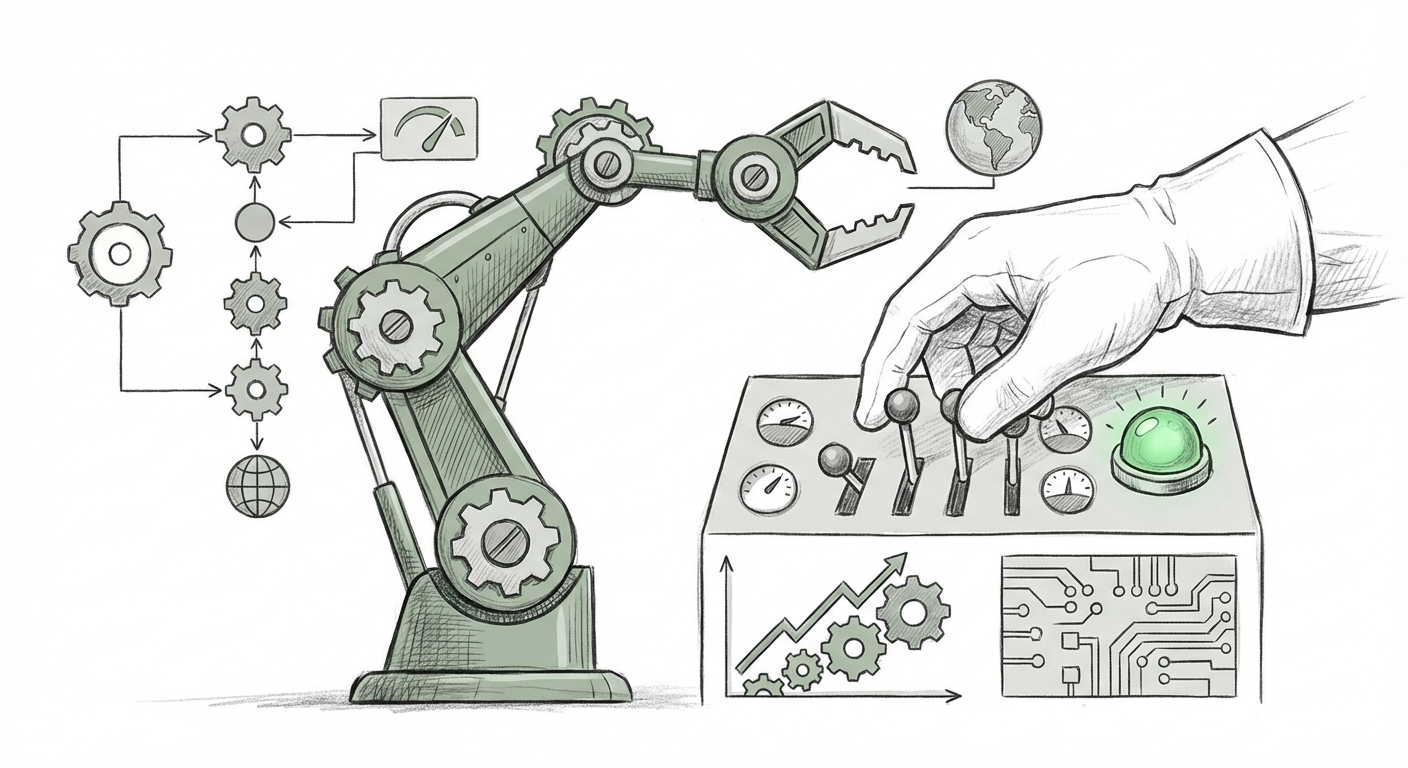
But there's a danger. If we outsource too much thinking to AI, we risk atrophy of our own cognitive skills. The goal should be augmented intelligence, human and machine working together, not replacement. This requires a deliberate approach to AI design and use.
Moreover, as AI becomes more integrated into learning, we'll need to address ethical issues like data privacy, bias in algorithms, and the digital divide. These are not just technical problems; they are societal ones.
Actionable Insights
So what can we do? Here are some practical steps for individuals, businesses, and educators.
For Individuals
- Embrace lifelong learning. Set aside time each week to learn something new, whether it's a skill or a subject.
- Focus on meta-learning. Learn how to learn more effectively. Techniques like spaced repetition, active recall, and reflection can help.
- Use AI as a learning tool. Leverage AI tutors, chatbots, and productivity tools to accelerate your learning. But stay critical of the information you receive.
- Develop critical thinking. Practice evaluating sources, asking questions, and solving complex problems.
For Businesses
- Invest in reskilling. Use AI to identify skill gaps and provide personalized training at scale.
- Foster a learning culture. Encourage employees to experiment, share knowledge, and learn from failures.
- Integrate AI into workflows thoughtfully. Use AI to augment human capabilities, not just replace tasks. Provide training on how to work with AI.
- Partner with educational institutions. Collaborate to ensure curricula align with the skills your business needs.
For Educators
- Shift from content delivery to skill development. Focus on critical thinking, creativity, collaboration, and communication.
- Teach AI literacy. Help students understand AI, its capabilities, and its limitations.
- Use AI to personalize learning. Adopt AI tools that adapt to each student's needs and provide real-time feedback.
- Address equity. Ensure all students have access to AI tools and the support to use them effectively.
Conclusion
AI is not just another technology. It's a force that is reshaping the very nature of learning. As the title of this article suggests, we need to reconsider what it means to learn. The old model of memorization and one-time education is no longer sufficient. Instead, we need to embrace lifelong learning, critical thinking, and adaptability.
This shift has profound implications for how we design AI, how we educate our children, and how we run our businesses. It's a challenge, but also an opportunity. By redefining learning, we can create a future where humans and AI work together to solve problems and improve lives.
The future of AI isn't just about smarter machines; it's about smarter humans. And that starts with rethinking learning.