Conversation Intelligence Explained: How AI Turns Every Customer Call Into a Business Advantage
Every day, businesses have millions of conversations with customers. Sales calls, support chats, onboarding emails, and renewal meetings all contain clues about what buyers want, what confuses them, and what makes them leave. For years, most of that knowledge disappeared when the call ended. Conversation intelligence is changing that. It uses AI to listen, read, and learn from every interaction at scale.
This guide breaks down what conversation intelligence is, why it is growing fast, and what it means for the future of AI in business. It also offers practical steps for teams that want to use it without creating new risks.
What Is Conversation Intelligence?
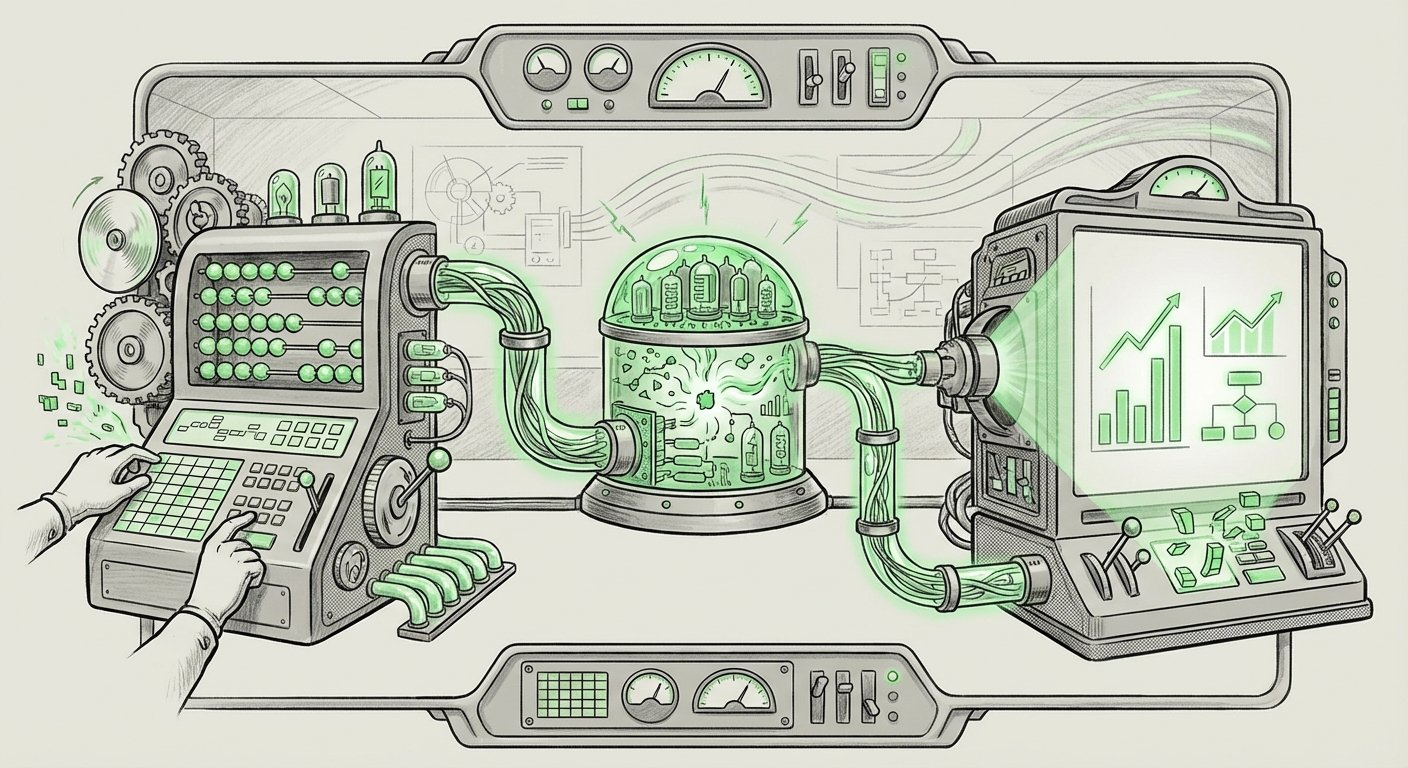
Conversation intelligence is software that records, transcribes, and analyzes spoken and written customer interactions. It uses speech recognition, natural language processing, and machine learning to find patterns in those conversations. The goal is not just to store calls. The goal is to turn unstructured talk into structured business insight.
A basic system might create a searchable transcript. A stronger system goes further. It can detect topics, sentiment, competitor mentions, objections, buying signals, and compliance risks. It can score how well a sales rep handled a call. It can flag when a customer sounds frustrated. It can summarize a long support thread into a few action items.
Conversation intelligence sits at the intersection of several AI trends: better speech-to-text, large language models, real-time analytics, and workflow automation. That combination is why the category is moving from a niche sales tool to a core business system.
Why Conversation Intelligence Is Taking Off Now
Three shifts are driving adoption.
First, unstructured data is finally usable. Most customer data is messy: voice, chat, email, and video. Older analytics tools were built for numbers and forms. Modern AI can handle natural language at scale. It can read a thousand calls and surface the five issues that matter most.
Second, remote and hybrid work changed the game. When teams are spread out, managers cannot walk the floor and listen in. They need software to see what is happening across every conversation. Conversation intelligence gives them a window into quality, risk, and customer sentiment without relying on memory or manual sampling.
Third, buyers expect better experiences. Customers do not want to repeat themselves. They want fast, accurate help. Companies that analyze conversations can spot friction earlier, fix scripts, improve training, and personalize follow-ups. That creates a direct link between conversation data and revenue.
Key Trends Shaping the Future of Conversation Intelligence
1. From Transcription to True Understanding
Early tools focused on transcription. The next wave focuses on meaning. AI can now identify intent, extract entities like product names and dates, and summarize outcomes. It can separate a billing question from a technical issue. It can tell the difference between a happy customer and a polite but frustrated one. This deeper understanding makes the data useful for product, marketing, and leadership teams, not just call center managers.
2. Real-Time Coaching and Next-Best Actions
Conversation intelligence is moving from after-the-fact reporting to live support. AI can listen to a call and prompt a rep with a helpful answer, a compliance reminder, or a suggested next step. It can alert a manager when a high-value deal is going off track. In support, it can surface a knowledge article while the agent is still typing. This real-time layer turns conversation data into action when it matters most.
3. Revenue Intelligence and Deal Risk
Sales teams are using conversation intelligence to understand why deals are won or lost. AI can spot when a buyer mentions a competitor, raises a pricing objection, or goes quiet. It can compare successful calls with unsuccessful ones and find patterns. That helps leaders forecast more accurately and coach reps on the behaviors that actually move revenue.
4. Voice of the Customer at Scale
Product and marketing teams are starting to use conversation data as a continuous feedback loop. Instead of waiting for surveys, they can hear what customers ask for every day. AI can group similar requests, track sentiment over time, and flag emerging issues. This turns support and sales conversations into a rich source of product insight.
5. Multilingual and Multimodal Analysis
Customer conversations happen in many languages and channels. Modern systems can handle voice, video, chat, and email in one place. They can translate and analyze across languages. That matters for global companies that need a consistent view of customer experience without hiring teams for every region.
6. Agentic AI That Takes Action
The next step is systems that do not just report but act. Conversation intelligence can update the CRM, create a follow-up task, send a summary to a manager, or trigger a support ticket. This is part of the broader move toward agentic AI, where software can complete workflows with less human hand-holding. The value is not just insight. It is time saved and fewer dropped balls.
7. Privacy-First Design
As conversation data grows, so do privacy concerns. Good systems now include automatic redaction of sensitive information, consent management, retention controls, and regional data storage. Buyers want to know where data lives and who can access it. Privacy is becoming a product feature, not an afterthought.
What This Means for the Future of AI
Conversation intelligence shows where AI is heading in the enterprise. The winning systems will not be the ones with the flashiest model. They will be the ones that fit into daily workflows, earn trust, and turn messy human talk into reliable action.
AI is becoming an operating layer. Instead of a single tool, conversation intelligence is becoming a layer that sits across sales, support, and success. It connects what customers say to what teams do. That makes AI part of the core operating system of the business, not a side experiment.
Human judgment stays central. AI can summarize, score, and flag. But people still decide what to do with that insight. The best implementations use AI to expand human attention, not replace it. Managers can focus on coaching instead of sampling calls. Reps can focus on customers instead of note-taking.
Trust will decide adoption. Conversation data is sensitive. If employees feel spied on or customers feel recorded without consent, adoption will stall. Companies need clear policies, transparency, and strong security. AI that explains why it flagged something will earn more trust than a black-box score.
Accuracy across accents and jargon remains a challenge. Speech recognition has improved, but it is not perfect. Industry terms, strong accents, and poor audio can lead to errors. Teams should test systems on their own data and keep a human review step for high-stakes use cases.
Practical Implications for Businesses
Conversation intelligence can deliver real value, but only with a clear plan. Here is what business leaders should consider.
- Start with a specific problem. Do not buy a platform and hope for insights. Pick a use case such as sales coaching, compliance monitoring, or churn detection. Define what success looks like before you start.
- Get consent and data handling right. Work with legal and security teams early. Be clear with customers and employees about what is recorded, why, and how long it is kept.
- Integrate with the tools people already use. Conversation intelligence is more valuable when insights flow into the CRM, ticketing system, and coaching workflows. Avoid creating another dashboard nobody checks.
- Build a taxonomy that matches your business. Generic topics are a start, but custom categories for your products, competitors, and objections make the data far more useful.
- Measure adoption, not just accuracy. A model can be accurate and still fail if managers do not use it. Track how often insights lead to coaching, follow-ups, or product changes.
- Train teams to ask better questions. The best conversation intelligence programs use data to improve human conversations, not just grade them. Coach reps on what to do differently next time.
Risks and Governance
Conversation intelligence raises real risks. Employees may worry about constant monitoring. Customers may worry about privacy. AI can misread tone or miss cultural context. It can also reflect bias if the training data is skewed.
Good governance helps. That means human review for disciplinary actions, clear limits on what is recorded, audit trails for AI-generated flags, and regular checks for accuracy across different groups. Companies should also think about worker well-being. Using AI to support coaching is different from using it to punish people for every small mistake.
On the customer side, transparency matters. People should know when a call is analyzed and how the data is used. Consent should be easy to understand. Retention should be limited to what is needed. These steps build trust and reduce legal risk.
What It Means for Society
Conversation intelligence is part of a larger shift: AI is moving into the places where people talk. That can make services faster and more responsive. It can help companies hear customers who are usually ignored. It can also blur the line between helpful analysis and surveillance.
The outcome depends on choices made now. If businesses use conversation data to improve service and coach teams, the technology can be a net positive. If they use it to monitor workers without context or to harvest personal details without consent, trust will erode. Regulation and industry norms will likely play a role in setting boundaries.
Actionable Insights for Getting Started
If you are exploring conversation intelligence, start small and stay focused.
- Audit your current conversations: which channels, teams, and use cases have the biggest pain?
- Run a pilot with one team and a clear success metric, such as faster onboarding or better QA coverage.
- Involve legal, security, and employee representatives early.
- Test transcription and analysis on your real audio before signing a long contract.
- Set up a review loop so insights lead to action within a week.
- Keep humans in the loop for high-stakes decisions.
The future of AI will not be built only on bigger models. It will be built on better use of everyday data. Conversation intelligence is one of the clearest examples. It takes something ordinary, a customer call, and turns it into a source of learning. Companies that do this well will understand their customers faster, coach their teams better, and respond to change sooner.