Figma's Q3 Revenue Jumps 43% to $391.4M: What the AI Design Boom Means for the Future of AI
Figma just posted one of the clearest signals yet that AI is not replacing creative software, it is pouring fuel on it. The design platform reported Q3 revenue of $391.4 million, up 43% year over year, beating what Wall Street expected. That is a growth rate most mature software companies can only dream about.
And yet, the stock fell more than 6% after hours. Why? Because one number slipped: gross margin came in at 80%, just below the 81% analysts had penciled in. That single percentage point told investors something important, AI features are not free to run. They cost real money in computing power.
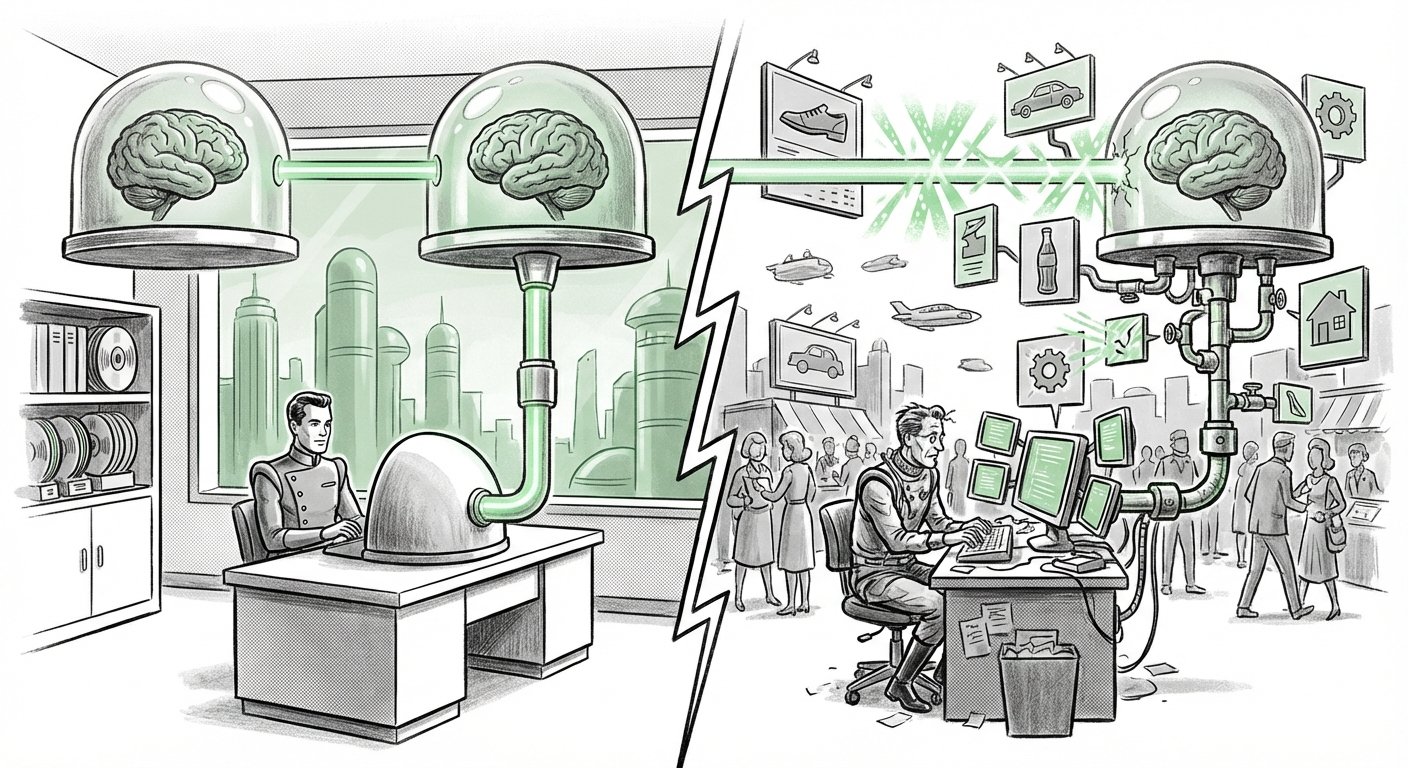
So we have a split-screen story. The top line is soaring. The bottom line is feeling the weight of AI infrastructure. And hidden in the middle is a lesson for every business building with AI right now.
The Headline Numbers: Growth That Stands Out
Start with the good news. Revenue of $391.4 million, up 43% from a year earlier, is a strong result in any market. It beat estimates. For a company selling design and collaboration tools, that kind of expansion says something simple: demand for the product is not slowing down.
There is a broader pattern here. Design work used to sit in a separate lane from engineering and product management. Figma's model pulled those lanes together into one shared canvas. AI pushes that idea even further. When an AI assistant can draft a layout, suggest a color system, or generate a prototype from a text prompt, the number of people who touch "design" work grows fast. That growth in users and seats is exactly what shows up in a 43% revenue jump.
The company also raised its 2026 revenue outlook. That is a forward-looking vote of confidence. Companies do not raise full-year guidance lightly. It means management sees the pipeline holding up and expects the current demand curve to continue.
Why the Stock Dropped: The Cost of Running AI
Now the twist. Gross margin of 80% against an expected 81% does not sound like a disaster. But investors read it as a clue about direction.
Traditional software has famously high margins. Once the code is written, adding one more user costs almost nothing. AI changes that math. Every AI-generated design, every smart suggestion, every prompt that turns into a working prototype requires computing power. That power has a price tag attached, and it shows up in the cost of goods sold.
This is the central tension of the AI era, and Figma just put a number on it in public. The question investors are quietly asking is this: as AI features become a bigger part of the product, does the margin keep drifting down?
The honest answer is that it depends on execution. Three things determine whether AI drags margins down or lifts them up:
- How efficiently the AI runs. Smarter models and better infrastructure lower the cost per request over time.
- How often customers use it. Heavy usage without matching pricing eats margin. Usage tied to higher-priced tiers protects it.
- How much AI increases willingness to pay. If AI features make the product clearly more valuable, customers upgrade. If they feel like a freebie, margins compress.
A one-point dip is not a crisis. But it is a signal worth watching, and it is the reason a company can grow 43% and still see its stock slide.
The Real Story: AI Is Expanding Who Can Do Design
Step back from the quarterly math and look at what is actually happening to the work itself.
The old model of design software assumed a trained professional at the controls. You needed to know the tools, the shortcuts, the systems. AI breaks that gate. A product manager can describe what they want in plain language and get something usable back. A marketer can spin up a campaign layout without waiting in a design queue. A founder can test five versions of an onboarding screen before lunch.
This does not eliminate designers. It changes the job. The value shifts from making the pixels to judging the pixels, knowing what good looks like, what fits the brand, what will actually convert. Taste becomes the scarce resource. Production becomes cheap.
For a platform like Figma, that shift is a growth engine. More people in the file means more seats, more collaboration, more reasons for a company to standardize on one tool. It also means the product has to work harder to stay trustworthy. When AI can generate a hundred variations in seconds, the platform must help teams sort, compare, and decide, not just produce.
What This Means for the Future of AI
1. AI Is Becoming a Feature, Not a Product
The companies winning right now are not the ones selling "an AI tool." They are the ones baking AI into software people already use every day. Figma's numbers support this. The growth is coming through an established platform, not a standalone AI app. For most businesses, the practical takeaway is to add intelligence to existing workflows rather than build a separate AI product and hope people show up.
2. Margin Becomes the New Scoreboard
For a decade, growth was the only metric that mattered in software. That era is ending. As AI features spread, the cost of delivering them becomes a competitive issue. Companies that can run powerful AI cheaply will out-earn companies that cannot. Expect more earnings reports where a strong revenue beat is paired with questions about compute costs. That is the new normal.
3. The Raise Signals Confidence in Durable Demand
Lifting the 2026 revenue outlook suggests the company expects AI-driven demand to keep building, not fade after a hype cycle. That matters for the whole sector. If a design platform can project sustained growth into 2026, it implies AI adoption in creative and product work is still early, not late.
4. Creative Work Becomes a Conversation
The direction of travel is clear. Design tools are moving from "draw this" to "describe this." That changes how teams communicate. Briefs become prompts. Feedback becomes iteration. The companies that learn to write clear instructions and evaluate output quickly will move faster than those that don't.
Practical Implications for Businesses
If you buy software: Expect AI features to arrive inside tools you already pay for, and expect pricing to shift toward usage or tiered plans. Budget for it. Ask vendors directly how AI usage is priced and whether heavy use triggers extra charges.
If you build software: Model your AI costs before you ship. The gross margin question that dinged Figma's stock will land on your board deck too. Know your cost per AI action, and design pricing that keeps it covered.
If you run a creative or product team: The bottleneck is moving. Producing drafts is getting cheap. Deciding what to ship is getting expensive. Invest in review, brand standards, and clear criteria for what "good" looks like, because volume without judgment is just noise.
If you are hiring: Look for people who can direct AI well and critique its output sharply. The skill is not prompting tricks. It is taste plus the ability to explain why something works.
Actionable Insights You Can Use This Quarter
- Track your AI cost per user. If you cannot state it, you cannot protect your margin as usage grows.
- Separate AI features into tiers. Give basic assistance to everyone, and put heavy generation behind higher-priced plans.
- Build a review process for AI output. Fast generation without a quality gate creates rework, which quietly erases the time savings.
- Watch the margin line, not just the growth line. A 43% growth rate can still disappoint if the unit economics weaken.
- Standardize on fewer tools. Consolidating design and collaboration work onto one platform amplifies the benefit of AI features that live inside it.
- Rewrite your briefs. Train teams to write instructions an AI can act on. Clear input is now a measurable productivity lever.
The Bigger Picture
Figma's quarter is a small story with a large lesson. Revenue up 43% shows that AI-era demand for creative and collaborative software is real and strong. A gross margin of 80% against an 81% expectation shows that this demand comes with a bill. A raised 2026 outlook shows the company believes both trends continue.
The 6% after-hours drop is not a verdict on the business. It is a verdict on a question every AI company now faces: can you grow fast and still keep the economics healthy?
The answer will not come from one quarter. It will come from a hundred small decisions, how efficiently the models run, how smartly the pricing is designed, and how well the product turns raw speed into real value. For now, the growth is real, the cost is real, and the race to balance them is on. That is the shape of the AI economy for the next several years, and it is being priced in public, one earnings report at a time.