Data Centre Stocks Just Went Wild: What NEXTDC's Surge Says About the Future of AI
Something unusual happened in the market this week. NEXTDC, one of the region's most closely watched data centre operators, saw its shares surge after rival data centre firms moved to take a stake in the business. On the surface, it looks like a straightforward piece of corporate news, a stock goes up, investors get excited, everyone moves on. But look a little closer, and you'll see something much bigger going on.
This is not really a story about one company's share price. It's a story about what the world has quietly decided AI is worth, and what it's willing to pay to own the physical foundations that make AI work.
What Actually Happened
The headline is simple enough: NEXTDC shares surged after rival data centre firms sought a stake in the company. That's the core event. Rivals, other companies in the same business of building and running data centres, expressed interest in owning a piece of NEXTDC. The market reacted fast and hard, sending the stock higher.
Why would competitors want to buy into each other? That question is the key to everything that follows.
Normally, when two companies compete, they try to beat each other. They undercut on price, they win contracts, they grow. But in the data centre world right now, competition has run headfirst into a wall of physical limits. There is only so much land near power lines. There is only so much electricity to go around. There are only so many skilled engineers who can build and run these facilities. And there is only so much time before the next wave of AI demand arrives.
When you can't outbuild your rival fast enough, the next best move is to buy into them.
Why Data Centres Became the Hottest Asset in AI
For years, data centres were the boring plumbing of the internet. People knew they existed, but nobody wrote excited articles about them. That era is over.
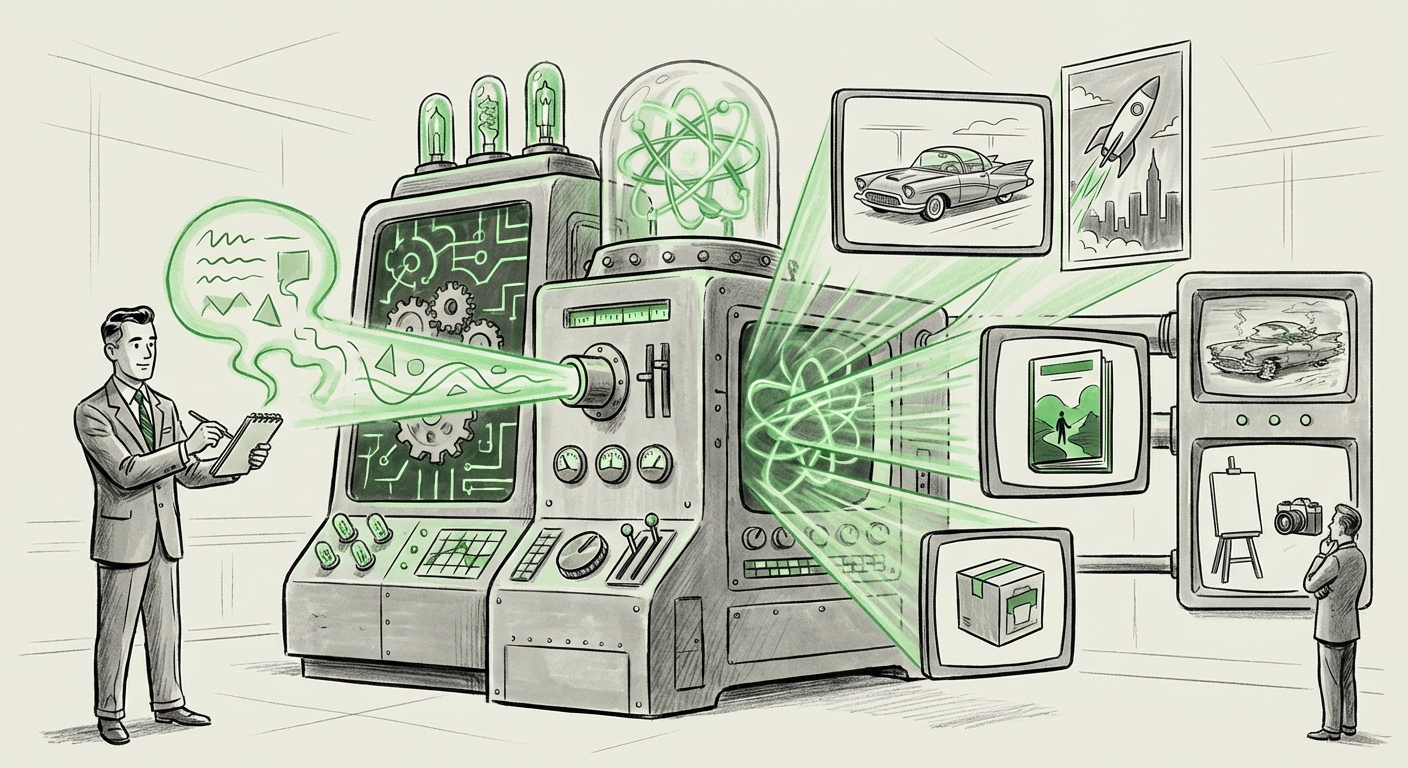
Modern AI models, the kind that write, reason, generate images, and power chat assistants, need enormous amounts of computing power. That computing power doesn't live in the cloud in some abstract sense. It lives in buildings. Real buildings with thick concrete floors, industrial cooling systems, backup generators, and massive electrical connections.
The result is a simple but powerful shift: whoever controls the buildings controls the AI.
You can have the best AI researchers, the smartest models, and the biggest budget in the world. Without access to data centre capacity, space on a rack, a chunk of power, a slice of cooling, none of it ships. The bottleneck has moved from software to real estate. And that bottleneck is exactly why rival operators are now circling each other with cheque books instead of discounts.
The three things that are now scarce
- Power. AI racks draw far more electricity than traditional servers. Grid connections are slow to secure and hard to expand.
- Land near infrastructure. A data centre is only as good as its connection to power and fibre. Prime sites are finite.
- Time. Building a new facility takes years. Demand is arriving in months.
When all three of those things are tight at the same time, the value of an existing, operational, well-connected data centre platform jumps. That's the engine behind the surge.
The New Playbook: Strategic Stakes Beat Takeovers
There's a subtle but important detail in the news: rivals sought a stake, not a full buyout. That choice matters, and it tells us a lot about how the AI infrastructure race will play out over the next few years.
A full takeover is loud. It triggers regulatory reviews, competitive concerns, and integration headaches. It also means paying a premium for everything at once. A strategic stake is quieter and smarter. It gets you a seat at the table, access to capacity and land pipelines, financial exposure to the upside, and a relationship you can deepen later.
Expect to see more of this pattern across the industry. Minority stakes, joint ventures, long-term offtake agreements, and co-investment deals are becoming the standard way AI infrastructure gets built. The logic is straightforward: it's cheaper to partner with the company that already holds the land and the power connection than to start from zero and wait years for approvals.
For shareholders, this is a signal worth paying attention to. When direct competitors decide your platform is worth owning a slice of, they're effectively putting a floor under the value of your assets, and telling the market they don't think they can replicate you in time.
What This Means for the Future of AI
1. AI progress will be gated by physical infrastructure
The next few years of AI advancement won't be limited only by how clever the models get. They'll be limited by how fast power can be connected, how quickly buildings can be commissioned, and how many trained technicians can be hired. The companies and countries that move fastest on these physical constraints will pull ahead. Those that don't will find themselves renting capacity from someone else, at whatever price the market sets.
2. The market is consolidating into a small number of platforms
Stakes, partnerships, and shared investment create a web of relationships that effectively concentrates control of AI infrastructure into fewer hands. That's efficient in some ways, it avoids duplicating expensive work and speeds up delivery. But it also means the pricing power shifts toward whoever owns the capacity. Businesses buying AI compute should expect a market that looks less like a commodity and more like commercial real estate in a tight city.
3. Regional and national AI ambitions depend on these assets
Data centres are now strategic national infrastructure. Governments want AI workloads to stay in-country for privacy, security, and economic reasons. But a country can only host what it has the power and buildings to support. Deals like this one shape which regions become AI hubs and which become customers of someone else's hub.
Practical Implications for Businesses
If you run a company that uses or plans to use AI, this story is a warning sign wrapped in a headline. Here's what it means in plain terms.
Compute contracts are worth locking in early
If your AI roadmap depends on cloud or data centre capacity, the cost of that capacity is likely to rise as the best sites fill up. Multi-year agreements signed now will almost certainly look smart later. Waiting for prices to fall is a bet against a very clear supply trend.
Location is a business decision, not just an IT one
Where your AI workloads run affects cost, latency, data residency compliance, and your exposure to power constraints. Teams that treat data centre strategy as a purely technical matter will get blindsided by commercial realities.
Watch the capacity signals, not just the model launches
Every major AI announcement is followed by a quieter question: where will it run? Tracking data centre investment, power procurement, and land acquisition gives you an early read on which AI products will actually scale and which will stall. This is now a genuine business intelligence skill.
What It Means for Society
The ripple effects go well beyond boardrooms.
Energy is the new battleground. Data centres are becoming a major source of electricity demand. That pushes utilities to build more generation, accelerates investment in renewables and storage, and raises hard questions about who gets priority access to the grid, households, industry, or AI.
Communities will have a say. Large facilities need land, water for cooling in some designs, and upgrades to local infrastructure. Local approval processes are becoming a real constraint on growth. Companies that engage early and honestly with communities will build faster than those that don't.
Digital sovereignty gets real. When AI infrastructure sits in a handful of locations, the countries hosting it gain leverage. That makes data centre ownership a geopolitical question, not just an investment one.
Risks Worth Watching
It would be easy to read this news as a one-way bet. It isn't. A few things could cool the story down quickly.
- Power delays. If grid connections slip, promised capacity arrives late and valuations get tested.
- Demand assumptions. Data centre economics depend on continued AI demand growth. If enterprise adoption slows, so does the need for space.
- Regulatory attention. As infrastructure concentrates, competition regulators may take a closer look at stakes and partnerships between rivals.
- Efficiency gains. Better chips and better models could reduce the amount of physical capacity needed per unit of AI work, changing the supply-demand picture.
None of these cancel the trend. But they do mean that anyone treating AI infrastructure as a guaranteed straight line upward is being careless.
Actionable Insights
- Audit your AI capacity exposure this quarter. Know which workloads run where, what contracts you hold, and when they expire.
- Negotiate longer terms now. Multi-year commitments and reserved capacity are cheaper than scrambling later.
- Build relationships with more than one provider. Concentration risk is real on both the supply side and yours.
- Model an energy-constrained world. Stress-test your AI plans against higher compute costs and slower capacity availability.
- Track infrastructure deals as a leading indicator. Strategic stakes, joint ventures, and land purchases tell you where AI capacity is going before product roadmaps do.
- Start the sustainability conversation early. Power sourcing and cooling choices will affect both your costs and your reputation.
The Bigger Picture
The surge in NEXTDC shares after rival data centre firms sought a stake isn't a random market blip. It's a public signal of a much larger shift: the AI story has moved from software to steel, concrete, and electricity.
For the last few years, the conversation about AI has been dominated by models, benchmarks, and product launches. Those things still matter. But the constraint that will decide who wins the next phase is physical, who owns the space, the power, and the connections that let AI actually run.
When competitors stop trying to beat you and start trying to buy into you, that's the market telling you where the real value sits. For anyone building on AI, the lesson is clear: understand the infrastructure layer, secure your position on it, and plan for a world where compute is the scarcest resource in the room.