NextDC Shares Surge 43%: What Goodman and Digital Realty’s Stake Buys Mean for AI’s Data Center Future
When a company’s stock jumps 43% in a single move, the market is sending a loud signal. That is what happened after Goodman and Digital Realty bought stakes in NextDC. The size of the jump is striking. The identity of the buyers is just as important. For anyone watching artificial intelligence, this is not only a finance story. It is a story about the physical layer that AI needs to work at scale.
AI is often described in terms of models, chips, and software. But those things need a home. They need buildings, power, cooling, land, and network connections. The NextDC move points to that layer. It shows that investors are paying close attention to the infrastructure behind AI, not just the apps on top.
A 43% Jump Is a Message About AI’s Physical Layer
A 43% share surge is rare. It tells us that the market saw the stake purchases as more than a routine investment. It saw them as a vote of confidence in NextDC’s role in the digital economy. It also saw them as a signal about where future demand is heading.
That demand is being shaped by AI. Training large models takes huge amounts of computing power. Running those models, a process called inference, takes even more over time, because every user request needs compute. As AI moves from experiments to everyday products, the need for reliable digital infrastructure grows.
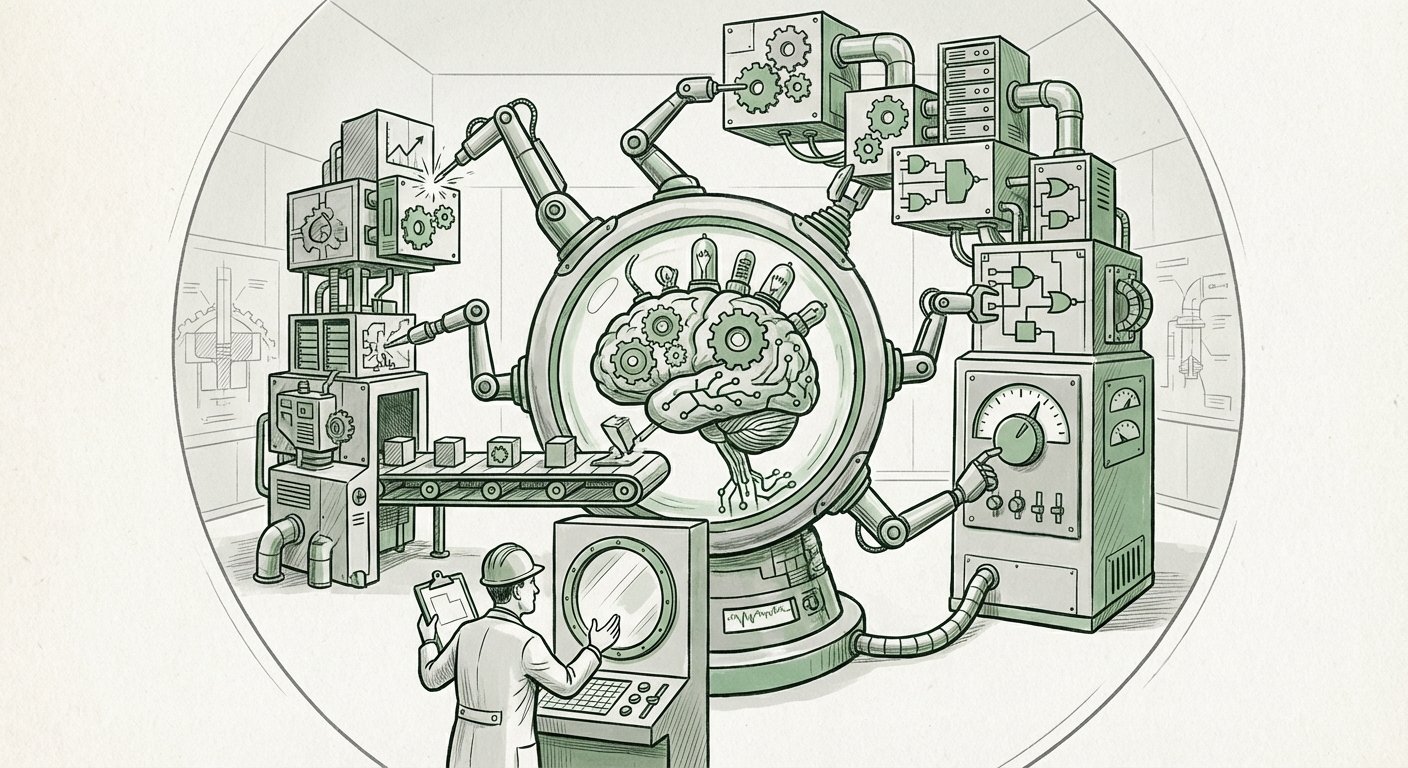
This is why data centers are sometimes called the factories of the AI age. They are where raw computing power is turned into services that people and businesses use. The NextDC share move suggests that investors believe that factory floor is becoming more valuable.
The jump also shows how quickly sentiment can shift. Infrastructure used to be seen as a slow, steady business. Now it is being repriced as a strategic asset for the AI economy. That does not mean every data center company will win. But it does mean the market is treating the sector differently.
Why Strategic Buyers Change the Story
The buyers matter. Goodman and Digital Realty are not random names. When strategic players buy stakes, they often bring more than money. They can bring land, buildings, power relationships, operating know-how, and long-term customers. That can change how a company grows.
For NextDC, the stake purchases may signal deeper partnerships. They may point to new projects, new sites, or new ways to fund expansion. The market read the move as a strong endorsement. A 43% jump is what happens when investors think a company’s future just got bigger.
There is also a broader lesson here. The AI buildout is not only about tech companies. It is pulling in real estate firms, infrastructure investors, power providers, and industrial partners. AI is becoming a cross-industry project. The companies that can connect compute, property, and energy will be in a strong position.
For business leaders, the takeaway is simple. The AI supply chain is wider than most people think. It includes chip makers and cloud providers, but also landlords, construction firms, utilities, and network operators. If your business depends on AI, it depends on that chain.
The Future of AI: More Compute, More Places, More Power
The NextDC news fits a larger trend: AI is moving closer to where data is created and used. Some AI work needs to happen in large central data centers. Some needs to happen close to users for speed. Some needs to happen on devices. The future will be a mix.
That mix will put pressure on three things: compute, power, and location. Compute is the chips and servers that run AI. Power is the electricity that keeps them running. Location is the land, buildings, and network links that connect everything. The NextDC stake purchases point to the location and power side of that equation.
Power is becoming a major bottleneck. AI data centers use a lot of electricity, and they need it reliably. Grid connections can take years to secure. Communities are asking harder questions about energy use and water. This means the best locations may not be the cheapest ones. They may be the ones with clean power, fast permits, and strong connectivity.
This is why strategic investors are moving in. They can help solve real-world problems like land assembly, power contracts, and construction timelines. In the AI age, those boring details become competitive advantages.
The future of AI will also be shaped by where inference happens. As AI features appear in search, customer service, coding tools, and everyday apps, the volume of requests will grow. That growth will need infrastructure that can respond quickly and cheaply. Data center operators that can support AI workloads will be in high demand.
How AI Will Be Used: From Chatbots to Always-On Infrastructure
Most people first meet AI through chatbots. But the bigger shift is that AI is becoming a background layer. It will help route deliveries, write software, review documents, answer customers, and monitor equipment. Much of it will be invisible.
That shift changes what infrastructure needs to do. AI will not only run when someone opens an app. It will run all the time, in many places, for many tasks. That means more constant demand for compute and network capacity. It also means more need for backup systems, security, and energy management.
For businesses, this points to a future where AI is part of the operating model, not a side project. Companies will need to think about where their AI workloads run. Some will use public cloud. Some will use private data centers. Some will use edge locations. The right mix will depend on cost, speed, privacy, and regulation.
The NextDC move is a reminder that this future is already being priced in. The market is not waiting for every AI use case to mature. It is placing bets on the infrastructure that will support them.
What This Means for Businesses
1. Infrastructure is now a board-level topic. AI strategy is not only about choosing a model. It is about where that model runs, how much it costs, and whether the power and space are available. Business leaders should ask those questions early.
2. Vendor choice matters more than ever. Companies should not assume cloud capacity will always be cheap or easy to get. They should understand their providers’ plans for AI workloads, power, and regional coverage. A diversified approach can reduce risk.
3. Location is a strategic decision. For AI workloads that need low latency or data sovereignty, location matters. Businesses should map where their users, data, and regulators are. Then they should choose infrastructure that fits.
4. Energy and sustainability need a plan. AI can help companies cut waste, but it can also increase energy use. Smart firms will set clear goals for efficiency and report on them. They will also look for providers with credible power strategies.
5. Partnerships can speed up delivery. The NextDC move shows the value of bringing in strategic partners. Businesses that need AI infrastructure may benefit from working with real estate, energy, and technology partners rather than going it alone.
Risks and Open Questions
The bullish signal is clear, but risks remain. A 43% jump can reflect excitement as much as certainty. The exact size and terms of the stake purchases are not the whole story. What matters is whether the new capital and partnerships turn into projects, capacity, and customers.
There is also a risk of overbuilding. If too much data center capacity arrives at once, prices could fall. Power constraints could slow projects. Rules around energy and land use could change. And AI demand could grow more slowly than expected in some segments.
For investors, the lesson is to watch execution, not just headlines. For businesses, the lesson is to avoid betting everything on one provider or one region. Flexibility will be valuable.
Actionable Playbook
- Map your AI workload needs. Separate training from inference. Note which tasks need low latency, high security, or large-scale compute.
- Review your infrastructure contracts. Check capacity commitments, pricing, and exit terms. Ask providers how they are preparing for AI demand.
- Build a power and location strategy. Identify where you need data center capacity and what energy options are available.
- Track strategic partnerships. Watch moves like the NextDC stake purchases for signals about where infrastructure is heading.
- Plan for volatility. Keep a mix of cloud, private, and edge options where it makes sense. Avoid single points of failure.
- Measure AI’s resource use. Track compute, energy, and cost per workload. Use that data to improve efficiency.
Conclusion
The 43% surge in NextDC shares after stake purchases by Goodman and Digital Realty is more than a market headline. It is a sign that AI’s physical layer is becoming a strategic battleground. The future of AI will depend not only on better models, but on whether the world can build and power the infrastructure to run them.
For businesses, the message is clear: treat AI infrastructure as a core part of strategy. For investors, the message is to look beyond the hype and watch execution. For society, the message is that AI’s benefits will depend on how well we manage energy, land, and access. The NextDC move is one signal in a much larger shift, and that shift is just getting started.