Humanoid Robot Cleans Apartment: A Taste of the Future of AI
I recently watched a humanoid robot clean my apartment. It was a striking moment, a taste of the future. The robot moved through the rooms, performing tasks that would normally require human hands. Whether it was fully autonomous or remotely supervised, the message was clear: robots are getting ready to do real work in our homes. For me, it was more than a cool gadget. It was a sign that artificial intelligence is moving out of the screen and into the physical world.
This experience raises big questions. What does it mean for the future of AI? How will this technology be used? And what should businesses and society do to prepare?
Why a Robot Cleaning a Home Is a Big Deal
Homes are messy, unpredictable places. They are nothing like a factory floor where robots have worked for decades. A home has clutter, furniture, pets, children, and endless variations in layout. For a robot to clean an apartment, it must navigate around obstacles, recognize what needs cleaning, pick up objects, and use tools like a cloth or vacuum. That requires a level of dexterity and decision-making that has long been out of reach for robots.
When a humanoid robot can pull this off, even in one apartment, it shows that AI has crossed a threshold. The robot isn't just following a script. It is perceiving its environment, planning actions, and adapting to surprises. That is the essence of embodied AI, intelligence that interacts with the physical world. And that changes everything.
The AI Stack Behind the Robot
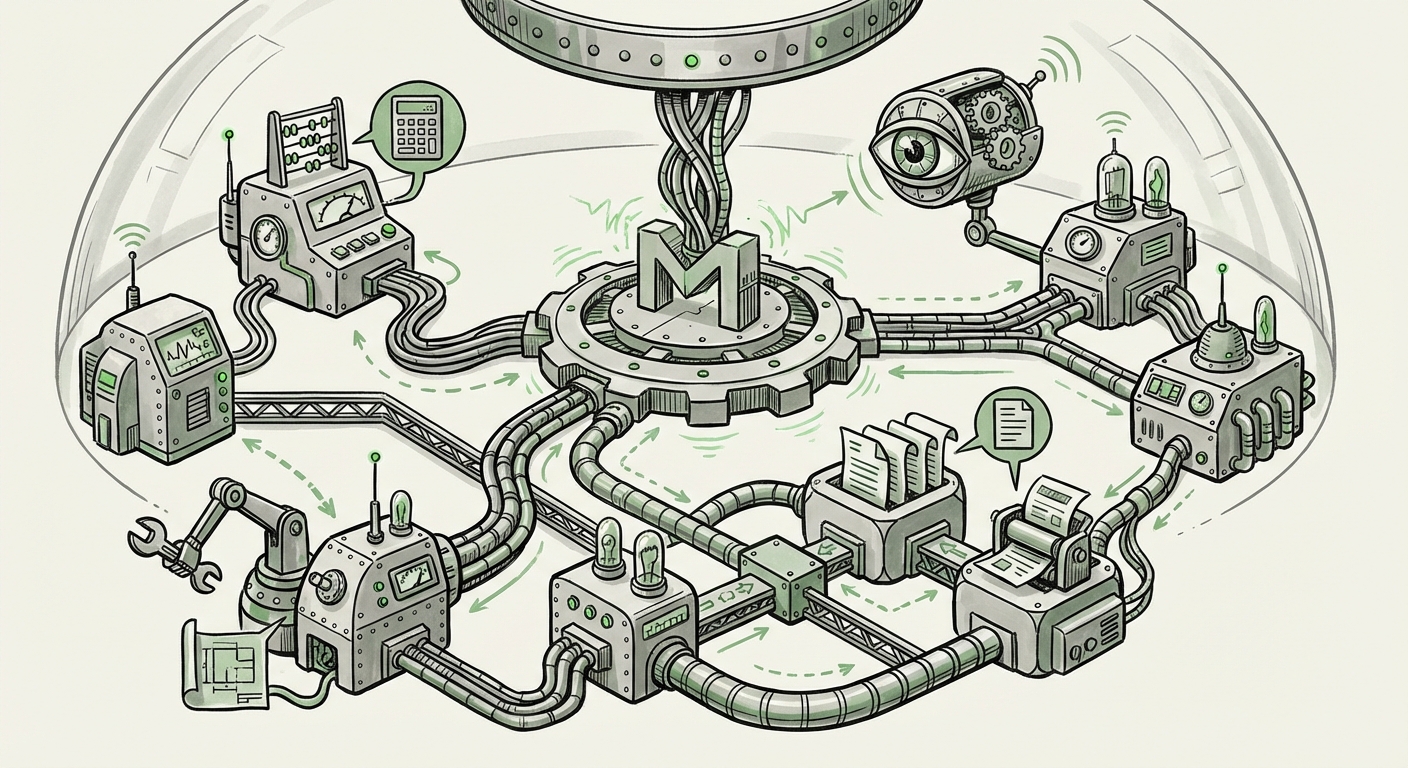
To clean an apartment, a humanoid robot needs several AI capabilities working together. First, it needs perception: cameras and sensors to see the environment, recognize objects, and understand spatial relationships. Second, it needs planning: the ability to break a high-level goal like "clean the living room" into smaller steps like "pick up the clothes, wipe the table, vacuum the floor." Third, it needs manipulation: dexterous hands and arms that can grasp a variety of objects without breaking them. Fourth, it needs learning: the ability to improve over time, either through simulation or real-world experience.
All of these pieces are powered by advances in machine learning. Vision models can now identify objects with high accuracy. Language models can help robots understand instructions. Reinforcement learning allows robots to practice tasks millions of times in simulation before trying them in the real world. The result is a robot that can handle the chaos of a real home. That's a big leap from the structured environments of the past.
Challenges That Remain
Of course, one successful demo doesn't mean robots will be cleaning every home tomorrow. Several challenges remain. Reliability is a big one. A robot that works 90% of the time might be impressive in a lab, but in a home, that 10% failure rate could mean broken dishes or scared pets. Safety is another concern. A robot with powerful arms needs to know how to avoid harming people, especially children. Cost is also a barrier. Humanoid robots are complex machines, and making them affordable for average households will take time.
There are also questions about data privacy. A robot with cameras and microphones in your home collects a lot of data. Who owns that data? How is it protected? And how does the robot handle edge cases, like a spilled glass of water or a pet that won't move? These are not just technical problems; they are social and ethical ones. Solving them will require collaboration between engineers, policymakers, and the public.
What This Means for Businesses
For businesses, the message is clear: embodied AI is coming, and it will disrupt many industries. The most obvious impact is on cleaning and domestic services. Companies that provide home cleaning, elder care, and facility management should start thinking about how robots will change their business models. Instead of sending a human cleaner, a company might send a robot with remote human supervision. Or they might offer a subscription service where a robot cleans your home daily.
But the implications go beyond cleaning. Humanoid robots that can manipulate objects and navigate human spaces could work in warehouses, hospitals, restaurants, and hotels. They could assist elderly people with daily tasks, helping them live independently for longer. They could take over dangerous or repetitive jobs, freeing humans to focus on more creative work. Businesses should invest in understanding this technology now. That means funding R&D, partnering with robotics companies, and training their workforce for a future where humans and robots work side by side.
What This Means for Society
Society needs to prepare for a future where robots are part of daily life. On the positive side, robots could take over boring and dangerous tasks, giving people more time for family, hobbies, and creative pursuits. They could help care for an aging population, addressing labor shortages in caregiving. They could make homes safer by detecting hazards and assisting people with disabilities.
On the negative side, there is a real risk of job displacement. Cleaning, domestic work, and some service jobs could be automated. That doesn't mean those jobs will disappear overnight, but it does mean that workers in those fields will need support to transition to new roles. Policymakers should invest in retraining programs and social safety nets. They should also develop regulations for robot safety, privacy, and liability. We need clear rules for how robots operate in public and private spaces, and who is responsible when something goes wrong.
Actionable Insights
So what should you do? Here are some practical steps.
- For business leaders: Start exploring how embodied AI could fit into your operations. Even if humanoid robots aren't ready for prime time, the underlying technologies, computer vision, robotic manipulation, simulation, are advancing fast. Consider pilot projects and partnerships. Also, think about how your workforce will need to adapt.
- For policymakers: Get ahead of the curve. Develop safety standards for home robots. Clarify data privacy rules. Fund research into the ethical and social impacts of automation. And support workers who may be displaced by providing retraining and education.
- For individuals: Stay informed. Understand what robots can and can't do. Think about privacy before inviting a robot into your home. And consider how you might work alongside robots in your own career. The future isn't about robots replacing humans; it's about humans and robots collaborating.
The Road Ahead
Watching a humanoid robot clean my apartment was a taste of the future. It wasn't perfect, there were probably moments of hesitation, maybe a dropped object or two. But the direction is clear. AI is becoming embodied, and robots are leaving the lab to enter our homes, workplaces, and public spaces. This won't happen overnight. It will be a gradual process, with fits and starts. But the trend is unstoppable.
The companies and countries that embrace this shift early will have a huge advantage. They will develop the technologies, set the standards, and create the jobs of the future. Those that ignore it will be left behind. For the rest of us, the best approach is to stay curious, ask questions, and prepare for a world where a robot cleaning your apartment is as normal as a dishwasher.