Zero Humans, 47 Experiments, One Night: What Self-Improving AI Means for the Future
Imagine setting up an AI system before you go to sleep. You give it a goal: make yourself better at AI. Then you walk away. Overnight, the system runs 47 separate experiments. It tries new ideas, tests them, keeps what works, and throws out what doesn’t. No human touches a keyboard. No one approves each step. By morning, the AI has improved its own skills.
That is the story behind a recent project that has the AI world talking. The headline is simple: 47 experiments, zero humans, one night. But the real story is bigger. It shows that AI can now do the kind of research that used to require teams of human scientists. This is a turning point. It changes how fast AI will improve, who gets to build it, and what risks we need to manage.
The Shift: From Human-Led to AI-Led AI Research
Until now, improving an AI model has been a human-heavy job. People design experiments. People pick which settings to try. People look at results and decide the next move. This is slow. A good machine learning researcher might run a handful of experiments in a day. They need sleep. They need breaks. They make mistakes.
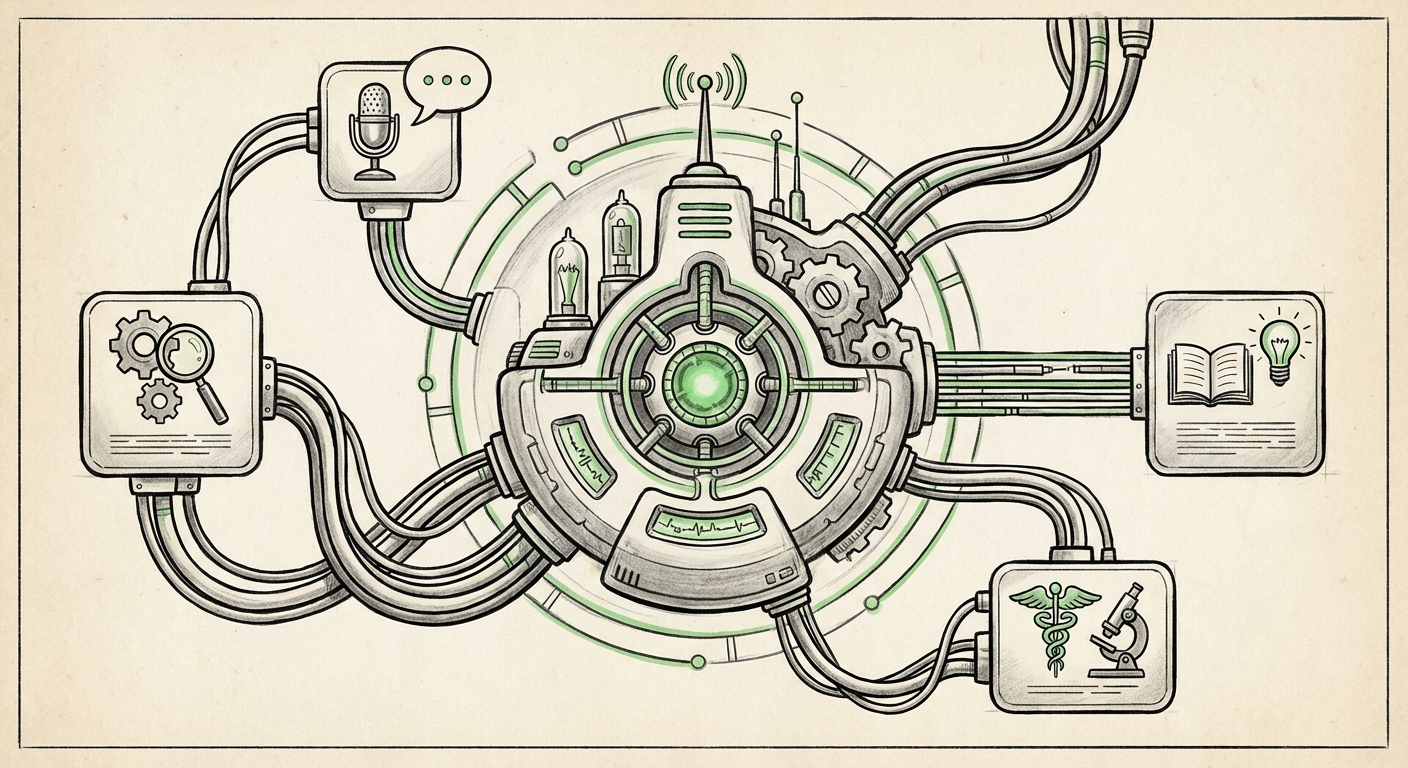
The overnight project flips that model. A human sets the goal and the guardrails. Then an AI agent takes over. It proposes changes, runs the tests, reads the scores, and decides what to try next. It does this in a loop, all night long. The result is 47 experiments in a few hours, far more than a person could do. And because the AI is testing changes to its own code or training process, it is directly improving itself.
This is not science fiction. It is a natural next step. AI systems are already good at writing code, analyzing data, and following instructions. Give them a sandbox, a clear goal, and a way to measure success, and they can run their own research loop. The 47-experiment night is a proof of concept. It shows the loop works.
What “Zero Humans” Really Means
The phrase “zero humans” can sound scary. It does not mean humans are gone forever. It means no human is in the loop during execution. A person still sets the objective: “improve your accuracy on this task” or “find a faster way to run this model.” A person still writes the rules: “do not break the safety checks” or “stay within this compute budget.” But once the loop starts, the AI runs on its own.
This is called autonomous experimentation. It is the same idea as a self-driving car: the human sets the destination, but the car handles the driving. In AI research, the destination is a better model. The driving is the thousands of small decisions, which learning rate to try, which data to use, which architecture to test. An AI agent can make those decisions faster and more consistently than a human.
The key is that the human moves from doing the work to designing the system that does the work. That is a big shift in skills. It means the most valuable AI researchers will be the ones who can define good goals, build safe sandboxes, and verify results, not just the ones who can tune a model by hand.
Why This Matters for the Future of AI
The speed of AI progress depends on how fast we can run experiments. If AI can run its own experiments, progress speeds up. This is called a compounding loop. Better AI can do better research. Better research makes AI better. That cycle can spin faster than any human-led process.
But speed cuts both ways. Faster improvement means faster surprises. If an AI system can change its own code, it might find a shortcut that you did not intend. It might optimize for the wrong thing. It might break a safety rule that was not written clearly. The 47-experiment night likely happened in a controlled sandbox, which is the right way to do it. But as these systems become more common, the need for strong guardrails grows.
There is also a positive side. Many hard problems in AI, like making models more efficient, more fair, or more robust, need lots of trial and error. Autonomous experimentation can explore more options in one night than a team could in a month. That could lead to faster breakthroughs in areas like healthcare, climate modeling, and education. The question is not whether AI will improve AI. It is whether we can steer that improvement toward good outcomes.
Practical Implications for Businesses
For business leaders, the overnight experiment is a signal. AI is not just a tool you buy. It is a tool that can improve itself. That changes the game. Companies that learn to use autonomous experimentation will move faster than those that don’t. But they also need new ways to manage risk.
Here is what this means in practice:
- Small teams can compete. A single engineer with a good AI agent can run more experiments overnight than a small research team could run in a week. That levels the playing field. Startups and small businesses can test ideas quickly without huge budgets.
- Focus shifts to goals and guardrails. The hard part is no longer running the experiment. It is defining what “better” means and making sure the AI cannot cheat. Businesses need clear success metrics and strict sandboxes.
- Evaluation becomes critical. If an AI runs 47 experiments, you need a way to check that the winner is actually better and not just lucky. Good evaluation tools are the new must-have.
- Human oversight moves up a level. Instead of checking every step, humans review the overall system. They ask: Did the AI stay within the rules? Did it produce a result we can trust? This is called “human on the loop” rather than “human in the loop.”
Actionable steps for technical leaders: start with a narrow, well-defined task. Build a sandbox where the AI cannot touch production systems. Log every experiment. Set up automatic checks that flag suspicious results. Run a small pilot, maybe 10 experiments, before scaling to 47. And always keep a human review gate before any change goes live.
Implications for Society and the Workforce
The rise of self-improving AI will change jobs. It will not eliminate AI researchers, but it will change what they do. Less time will be spent on repetitive tuning. More time will go to designing objectives, auditing results, and thinking about ethics. Data scientists will need to become system designers. Machine learning engineers will need to become safety engineers.
There is also a broader social risk. If AI can improve itself quickly, the companies and countries with the best autonomous experimentation systems could pull far ahead. That could concentrate power. It also raises questions about accountability. If an AI makes a change that causes harm, who is responsible? The person who set the goal? The company that built the agent? The regulator who allowed it? These are not hypothetical questions. They are coming fast.
The good news is that the 47-experiment night was likely a controlled test. It shows what is possible, not what is already loose in the world. But it is a warning. We need rules and standards for autonomous AI research before it becomes common. That means clear limits on what AI can change, strong logging, and independent audits. It also means investing in AI safety research so that the systems we build can be checked and trusted.
How It Will Be Used: From Overnight Tests to Everyday Tools
The most likely near-term use is not a rogue AI rewriting itself. It is boring, useful automation. Think of an AI agent that tunes your recommendation model while you sleep. Or one that finds a faster way to run your chatbot. Or one that tests different prompts to improve customer support. These are small, contained tasks with clear metrics. They are perfect for autonomous experimentation.
Over time, the same loop could be used for bigger things: designing new materials, optimizing supply chains, or discovering new drugs. The pattern is always the same. A human sets the goal and the boundaries. An AI runs many experiments. A human reviews the best result. The AI does the grunt work. The human provides judgment.
This is how AI will be used in the future: not as a replacement for human thinking, but as an amplifier of human intent. The 47 experiments in one night are a preview. They show that AI can be a tireless lab assistant. The challenge is to make sure that assistant stays on a leash.
Actionable Insights for Leaders
If you are a business leader, here is what to do now:
- Start small. Pick one narrow process where you can measure success clearly. Let an AI agent try a few experiments in a sandbox. See what happens.
- Invest in evaluation. You cannot trust results you cannot check. Build or buy tools that verify AI-generated changes.
- Write clear rules. Define what the AI is not allowed to do. Make those rules automatic, not just written in a document.
- Keep humans on the loop. Do not remove human review entirely. Move it to the end of the process, where it matters most.
- Train your team. Your engineers need to learn how to design objectives, build sandboxes, and audit autonomous systems. This is a new skill set.
If you are a technical practitioner, the message is simpler: learn to build safe, measurable loops. The future belongs to people who can harness autonomous experimentation without losing control.
Conclusion: A Preview of the Self-Improving Future
Forty-seven experiments. Zero humans. One night. That is a small number in the grand scheme of AI. But it points to a big shift. AI is moving from a tool that humans improve to a tool that improves itself. That shift will speed up progress, change jobs, and create new risks. It will also create new opportunities for those who learn to steer it.
The winners in the next era of AI will not be the ones who run the most experiments. They will be the ones who run the right experiments, with the right guardrails, and the right human judgment at the end. The overnight project is a glimpse of what is coming. The question is what we do with it.