Retail Investors Panic-Sold the Wall Street Crash, Then Bought Back at the Last Minute. Here's What That Means for AI
On a brutal trading day, the little guy blinked first. As Wall Street crashed, everyday investors, the retail crowd that has poured money into the market over the past few years, hit the sell button in a rush. For hours, it looked like the classic panic: fear taking over, positions dumped, screens turning red.
Then something changed. Late in the session, buyers came back. Not a trickle, a real comeback. Money that had fled earlier in the day found its way back in before the closing bell, turning what looked like a rout into a story about nerve, timing, and second thoughts.
That whipsaw is more than a one-day curiosity. It is a signal about how modern markets behave, and about the role artificial intelligence now plays in them. AI is not just a sector people invest in anymore. It is the force shaping how fast they react, how quickly they panic, and how quickly they calm down.
What Actually Happened
The pattern was clear. When the selloff hit, retail investors moved fast and moved together. Selling clustered in the early part of the decline, driven by fear of further losses and a desire to protect what was left. This is the oldest reflex in investing: when prices fall, get out before they fall more.
But the day did not end there. As prices dropped, a different group of buyers saw something else, a discount. They stepped in late, absorbing the selling and pushing the market back up before the close. The result was a day that felt like two different days stacked on top of each other: a morning of fear, an afternoon of bargain hunting.
The lesson is not that retail investors are reckless. It is that retail behavior has become faster, louder, and more reversible than it used to be. And that speed is tightly linked to the technology people now use to trade.
The AI Connection: Why the Crowd Moves Faster Than Ever
Retail investing today is not a person reading the business section with coffee. It is a phone in a pocket, a push alert, a social feed full of charts, and often a recommendation engine quietly shaping what gets seen next. AI sits underneath all of it.
1. AI Curates the Panic
Feeds do not show random content. They show what keeps you engaged. When markets fall, fear-driven content spreads fastest, the dramatic headline, the scary chart, the "is this the end?" post. Ranking systems learned long ago that urgency drives clicks. So during a crash, the most alarming information reaches the most people in the shortest time.
That does not create panic out of nothing. But it compresses the time between "the market is falling" and "I must do something now." That compression is why the selling phase can be so sharp.
2. AI Powers the Trading Tools
Many popular investing apps now include automated features: recurring buys, portfolio rebalancing, stop-loss triggers, and AI-assisted suggestions. These tools are useful, but they also standardize behavior. If thousands of people set similar triggers, they act at similar moments. A wave of automatic selling looks a lot like a stampede, even when no one is actually running.
And when a market drops sharply, the same tools can flip into buying mode just as quickly. Dips trigger alerts. Alerts trigger purchases. The comeback becomes fast and mechanical, not slow and deliberate.
3. AI Companies Are the Market's Biggest Story
There is another reason AI and market swings are now tangled together. A large share of investor attention, and a large share of index weight in recent years, has been concentrated in AI-related businesses: chipmakers, cloud providers, and software firms selling AI tools. When sentiment on AI cools, the whole market feels it. When optimism returns, that optimism often lands back on the same names.
That means retail investors are, in effect, making AI bets whether they intend to or not. A broad index fund is now partly an AI fund. So a crash in market confidence is often a crash in AI confidence, and vice versa.
Why the Last-Minute Comeback Matters
The late-day buying tells us something important: conviction in the long-term AI story did not disappear. It wobbled, then recovered.
That is a meaningful distinction. In a true collapse of faith, the dip buyers do not show up. Here, they did. Investors were willing to sell on fear in the morning and buy on hope in the afternoon, which suggests the underlying belief, that AI will keep reshaping the economy, is still doing heavy lifting.
But the whipsaw also reveals fragility. If sentiment can swing that hard in a single session, it can swing that hard again. For anyone building or running an AI business, that is a planning risk, not just a headline.
What This Means for AI Companies
Your Shareholder Base Is Now Emotional and Fast
Retail investors are a meaningful part of many tech and AI companies' ownership. They are loyal to the story, but they are also reactive. That means earnings calls, product launches, and even stray rumors can produce outsized moves. Communicating clearly, and repeatedly, is no longer a nice-to-have. It is risk management.
Volatility Is a Recruiting and Sales Problem
When AI stocks swing wildly, it affects more than portfolios. It affects hiring confidence, vendor decisions, and the willingness of enterprise buyers to commit to long contracts. Sales teams should expect deal cycles to stretch after sharp market drops, and should plan for it.
Cash and Narrative Both Matter
Companies with strong balance sheets can weather sentiment storms. But narrative matters too. Firms that can explain plainly how their AI products make money, not just how impressive the technology is, will hold up better when investors get scared.
What This Means for Regular Investors
The day is a case study in why behavior beats prediction. The investors who sold early locked in losses. The ones who waited, or bought, ended the day in a very different position. No one knew in advance which way it would go, which is exactly the point.
AI tools can help here, but only if they are used with discipline. Automation is excellent at executing a plan. It is terrible at deciding whether the plan still makes sense at 10 a.m. on a terrifying day.
Practical Steps: How to Prepare for the Next Fast Swing
- Write your rules before the storm. Decide in calm conditions how much you will sell, hold, or buy in a sharp drop. Put it in writing. Refer to it, not your feed.
- Audit your automation. Know exactly which triggers, alerts, and auto-buys are switched on. Every automated order is a decision you made once and are now repeating.
- Check your hidden AI exposure. Broad funds, tech-heavy portfolios, and retirement accounts may already carry heavy AI weight. Know your real concentration.
- Slow the input. Turn off non-essential push alerts during volatile days. The information will still be there an hour later.
- Separate the sector from the story. A bad day for AI stocks is not evidence that AI is failing. A great day is not proof it is winning. Judge the technology on products and adoption, not on closing prices.
For Businesses: Build for Faster Sentiment Cycles
Any company that depends on AI, as a vendor, a buyer, or a builder, should assume sentiment will swing faster in the years ahead. That has three practical consequences.
First, diversify your funding sources. A business that relies on a single equity story is exposed to a single mood. Second, shorten your planning cycles and keep a buffer for sudden freezes in spending. Third, invest in monitoring. AI tools can track sentiment across news and social channels in real time, giving leadership a warning before a wobble becomes a crisis.
The Bigger Picture: AI Is Now the Market's Nervous System
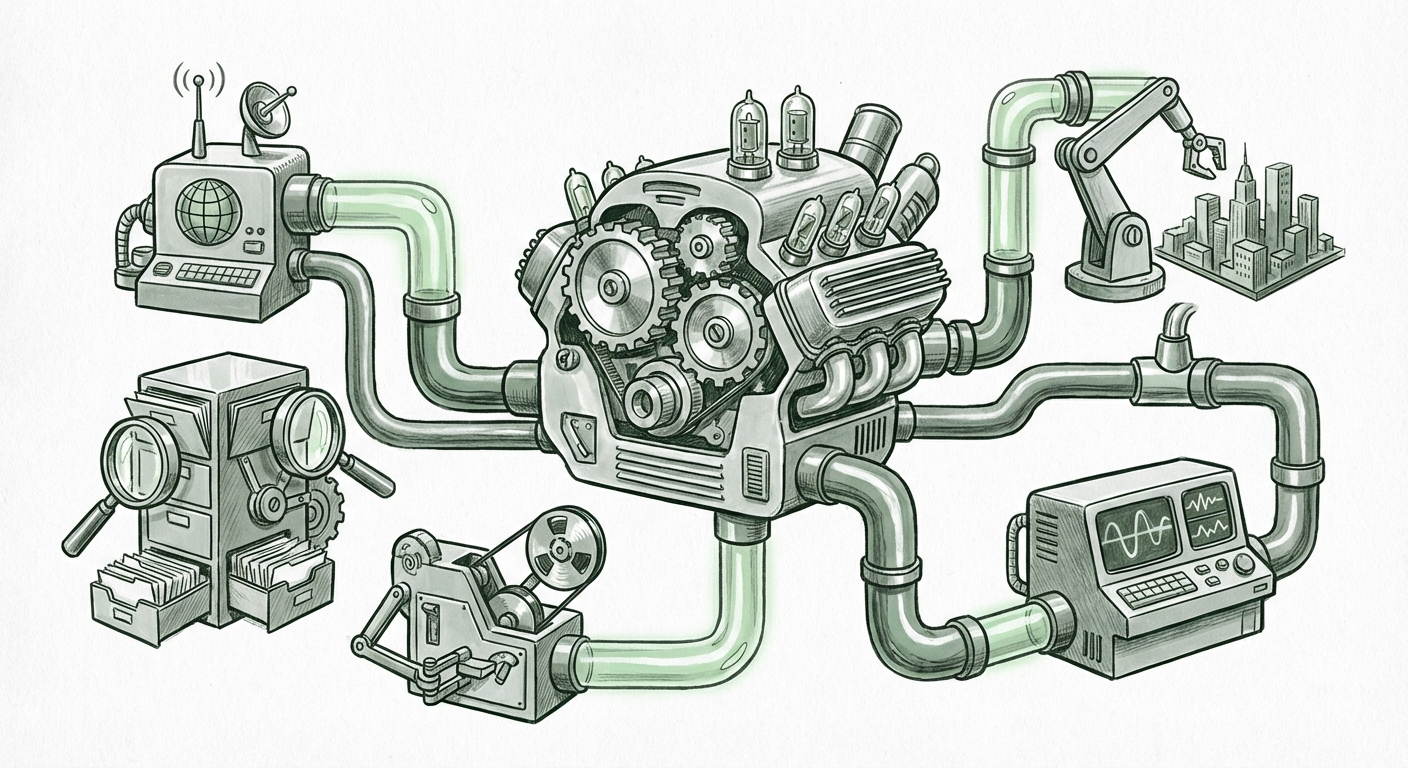
The most important takeaway is structural. AI is no longer just a product category or a buzzword on an earnings call. It is embedded in the plumbing of how capital moves, the feeds that shape perception, the algorithms that recommend trades, the models that price risk, and the automated systems that execute in milliseconds.
That makes markets more efficient in some ways and more twitchy in others. Information spreads instantly. So does fear. And so does the urge to buy the dip.
The retail investors who sold and then came back were not behaving irrationally. They were behaving like people using modern tools in a modern market. The tools made the selling faster. The tools made the buying faster too.
The future of AI in finance will not be decided by whether these tools exist. It will be decided by how well humans design the guardrails around them, circuit breakers on automation, clearer disclosure of AI-driven advice, better financial literacy, and a healthy skepticism toward any feed that seems a little too urgent.
Conclusion
Wall Street crashed, retail investors ran, and then a wave of buyers stepped in before the close. It was a messy, human day in a market that is increasingly run by machines. The lesson for the AI era is simple: the technology that makes markets faster also makes them more emotional, and the winners will be the ones who prepare for both the panic and the comeback.