4,830 Prequalifications in Three Weeks: Why AI Hiring Is Moving Toward European Data Processing
In three weeks, 4,830 candidate prequalifications were completed, with data processed in Europe. That is the headline. It is also a signal. High-volume candidate screening can now move at a pace that manual teams struggle to match. And the location of data processing is no longer a back-office detail. It is becoming a core part of how AI systems are built, bought, and trusted.
For business leaders, the lesson is simple: speed matters, but trust matters more. For AI builders, the lesson is sharper: the future of AI will be judged by completed work, not clever demos. The number is not huge in absolute terms. But the pattern behind it is.
The Number: 4,830 in 21 Days
Three weeks is 21 days. Completing 4,830 prequalifications in that window works out to roughly 230 prequalifications per day. For a recruiting team, that is a serious workload. Every prequalification is an early check that decides whether a candidate moves forward, before a full interview loop, before a hiring manager spends time, and before a company commits resources.
Prequalification is not glamorous work. It often involves checking basic eligibility, confirming skills or documents, asking structured questions, and routing people to the next step. It is repetitive. It is high volume. It is exactly the kind of work where AI can help.
But the real story is not just volume. It is what volume does to the hiring funnel. When prequalification slows down, good candidates move on. When it speeds up, companies can respond faster, reduce backlogs, and give candidates a better experience. Speed becomes a competitive advantage. The company that can review, qualify, and route candidates in days instead of weeks has an edge.
The milestone also shows that AI-style workflows can complete a full unit of work at scale. That matters because the AI market is shifting from chatbots that answer questions to systems that finish tasks. A completed prequalification is a clear outcome. It can be counted, measured, and improved. That is the kind of AI businesses actually pay for.
Data Processed in Europe Is the Quiet Headline
The second half of the milestone is just as important: data was processed in Europe. For global companies, that is not a technical footnote. It is a trust signal. It means candidate data can stay under European rules and expectations. It can reduce legal review time. It can make procurement easier. It can also calm candidates who want to know where their personal information goes.
Data residency is becoming a product feature. In the past, companies asked, “What can your AI do?” Now they also ask, “Where does the data go?” and ��Who can access it?” and “How long is it kept?” The location of processing affects compliance, risk, and brand trust. A system that processes data in Europe may be easier to approve in European markets. It may also be easier to explain to customers and regulators.
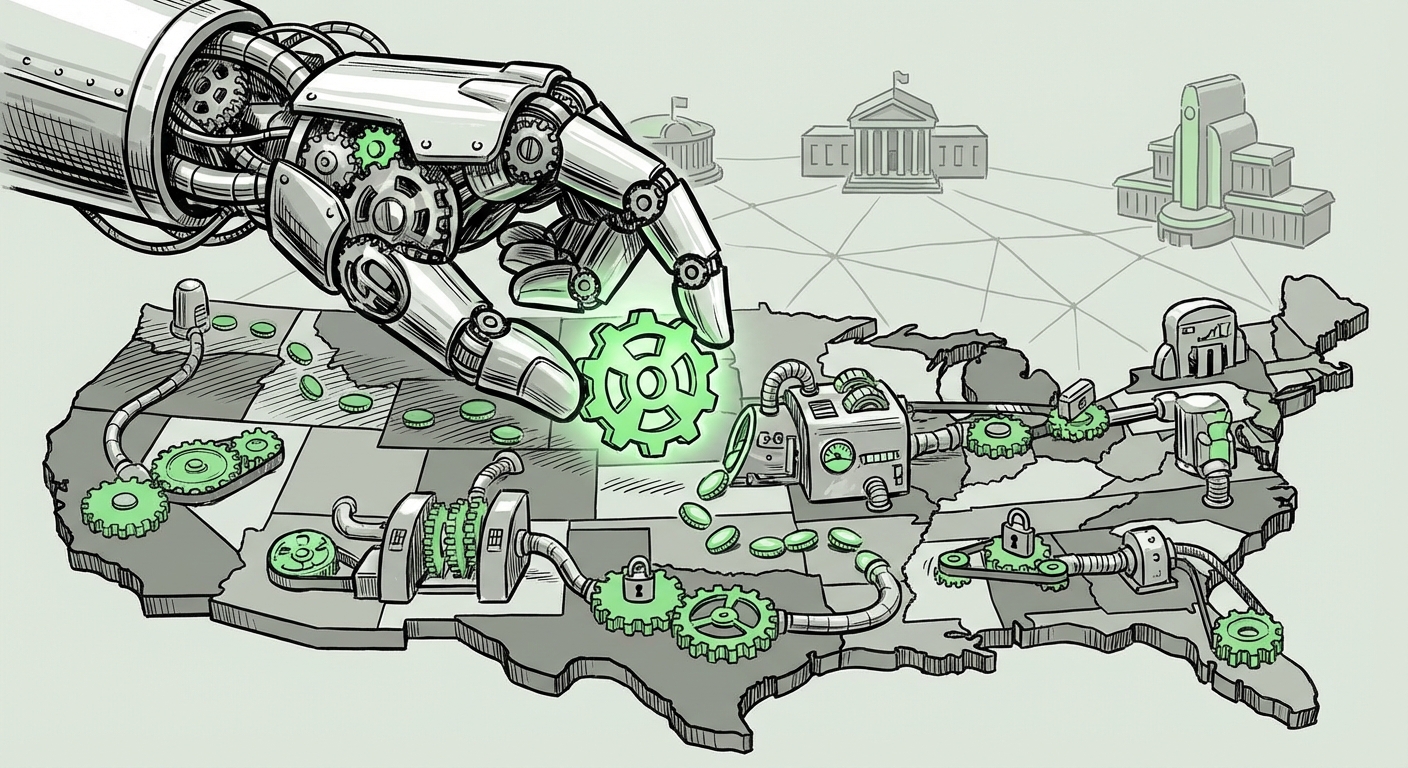
This is part of a larger trend: regional AI infrastructure. The future of AI will not be one global cloud with no borders. It will be a set of regional systems that meet local rules and local expectations. Companies will want AI that can run close to the data, under the right legal framework, with clear audit trails. The 4,830 milestone shows that high-volume work and European data processing can go together. That combination will become a baseline requirement in many markets.
From Screening to Prequalification: AI’s Real Hiring Job
AI in hiring is often described as a screening tool. That word is too narrow. Prequalification is a better frame. It is a structured step with clear rules: does this candidate meet the basic needs? Is the information complete? Should they move forward, wait, or be routed elsewhere?
That structure is why AI fits. AI can handle repeated checks, ask consistent questions, and route people at scale. It can also create a record of what happened. That record matters for fairness, audits, and continuous improvement. But the work must be designed with care. A black box that rejects candidates without explanation will not earn trust. A clear workflow that explains the rules and keeps humans in the loop for edge cases will.
The best systems will not fully automate hiring decisions. They will automate the repetitive parts and leave judgment to people. They will show candidates what is being asked and why. They will let candidates ask for help or request a human review. They will measure outcomes, not just speed.
This is the difference between automation and good automation. The first replaces people. The second makes people more effective. The 4,830 milestone points to the second path: high volume, clear process, and data handled in a trusted region.
What This Means for the Future of AI
Three trends stand out.
1. AI will be measured by completed work
The AI market is moving from “Can it chat?” to “Can it finish the job?” A prequalification is a finished job. It has a start, an end, and a result. That is the new unit of value. Businesses will buy AI that can complete workflows, not just generate text. They will ask for completion rates, quality scores, and cost per outcome.
2. Regional data processing will shape product design
“Data processed in Europe” is not just a compliance box. It is a design choice. It affects where servers sit, how data moves, who can access it, and how the system is audited. In the future, AI products will be built with regional versions from day one. Companies that can offer local processing will win trust in local markets.
3. Human oversight will be a feature, not a fallback
High-volume AI workflows need clear escape hatches. A candidate with an unusual case should reach a human. A rule that produces unfair results should be caught. A system that cannot explain itself should not decide alone. The future of AI in hiring will be judged by how well it handles these moments, not just by how fast it moves the easy cases.
These trends point to a bigger shift: AI is becoming infrastructure. It is less about a single model and more about a stack, data location, workflow design, audit logs, human review, and outcome metrics. The 4,830 milestone is a small but clear example of that stack in action.
Practical Implications for Businesses
For companies that hire at scale, the implications are direct.
- Speed changes the funnel. Faster prequalification can reduce drop-off and improve candidate experience. But speed without quality can push the wrong people forward or reject good candidates too early.
- Data location affects procurement. Buyers should ask where data is processed, stored, and accessed. European processing can reduce legal friction in EU markets.
- Audit trails matter. Keep records of rules, decisions, and human reviews. These records help with compliance, fairness checks, and continuous improvement.
- Candidate trust is a business asset. Explain what the prequalification does, what data is used, and how a candidate can ask for human review.
- Measure what matters. Track time-to-prequalify, completion rate, quality of candidates who move forward, cost per prequalification, and fairness across groups.
For AI vendors, the message is equally clear. Offer regional data processing. Provide audit logs. Show how humans stay in the loop. Publish outcome metrics, not just model benchmarks. The buyers of 2026 and beyond will ask harder questions. The vendors that answer them will win.
Practical Implications for Society
High-volume prequalification can widen access to jobs. It can reduce the time it takes to get a response. It can make the process more consistent. But it can also narrow access if the rules are biased or the system is opaque. The difference depends on design.
Data processed in Europe can build trust. It can give people more confidence that their personal information is handled under familiar rules. But trust also requires transparency. Candidates should know when AI is used, what it checks, and how to challenge a result. Regulators will increasingly ask for these safeguards. Companies that build them early will face fewer surprises later.
Society also has an interest in keeping human judgment in the loop. Hiring is not just a matching problem. It is a human decision with legal and ethical weight. AI can prepare the ground, but people should make the final call on close cases. The 4,830 milestone is a reminder that scale is possible. The next question is whether scale can be fair.
An Actionable Playbook
If you are planning an AI-powered prequalification workflow, start with these steps.
- Define the rules first. Write down what “prequalified” means before you choose a tool. Clear rules make the system easier to audit and explain.
- Map the data. Know what data is collected, where it is processed, who can see it, and how long it is kept. Choose European processing where it fits your legal and trust needs.
- Keep humans in the loop. Route edge cases, appeals, and unusual profiles to a person. Do not let automation make the final call on ambiguous cases.
- Explain the process to candidates. Use plain language. Tell people what is being checked, how long it takes, and how to ask for help.
- Measure outcomes, not just speed. Track quality, fairness, completion, and candidate satisfaction. Review the data regularly.
- Start small and expand. Test one role or one region. Fix problems before you scale. Use the results to decide what to automate next.
These steps are not exotic. They are the basics of good operations. But in the rush to adopt AI, basics often get skipped. The 4,830 milestone shows what is possible when they are not.
The Bigger Picture
The future of AI will not be decided by one model or one product. It will be decided by whether AI can complete real work at scale, under real rules, with real trust. The completion of 4,830 candidate prequalifications in three weeks, with data processed in Europe, is a small but useful preview. It shows that high volume and regional data handling can coexist. It shows that prequalification is a natural home for automation. And it shows that the next wave of AI will be judged by outcomes, not promises.
For businesses, the play is clear: design the workflow, protect the data, keep the human in the loop, and measure what matters. For society, the play is equally clear: demand transparency, fairness, and accountability. The companies that get this right will not just hire faster. They will earn the trust that makes speed worth having.