Futurepedia Now Builds You an AI Plan: What It Means for the Future of AI Adoption
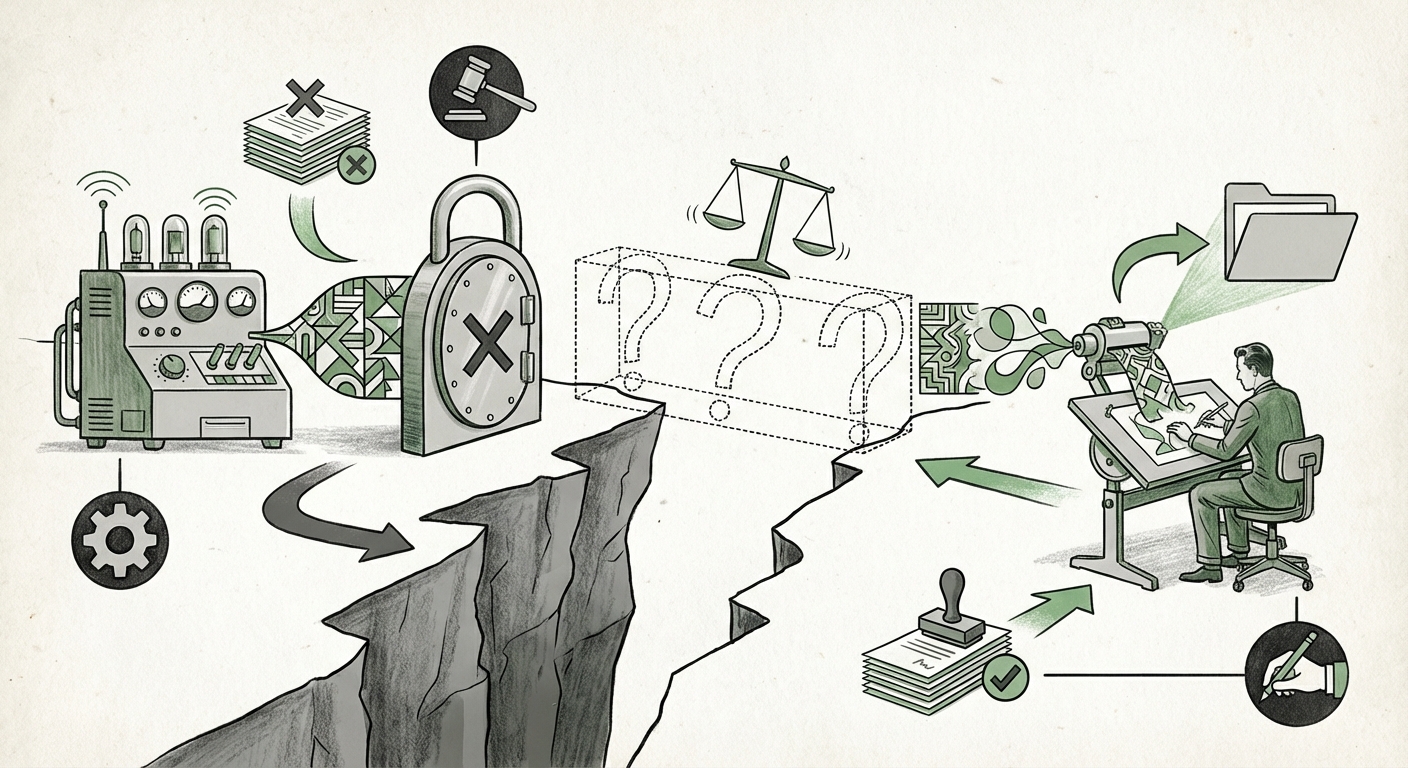
The biggest problem in AI adoption is no longer access. It is direction. There are too many tools, too many claims, and too few clear paths from a real business problem to a result that matters. Futurepedia now builds you an AI plan, and that move is a direct answer to this problem. On the surface, it looks like a product update. In practice, it signals a larger shift: AI platforms are moving from helping people find tools to helping them decide what to do.
That shift matters because the AI market has spent years in a discovery phase. People have been browsing, comparing, and testing. Now the pressure is on to implement. A plan is a bridge between curiosity and execution. It turns a long list of options into a sequence of steps. For businesses, workers, and society, that change could be more important than any single AI model release.
The Real AI Problem Is No Longer Access
For a long time, the challenge was getting access to AI. That is no longer the case. Powerful models and tools are widely available. The new challenge is choosing well. A team can spend weeks reviewing tools and still not know which one fits its workflow. Leaders can feel pressure to “do something with AI” and end up with scattered pilots that never connect to a real outcome.
This is often called choice overload. When there are too many options, people delay decisions or make shallow ones. AI has made that problem worse because every tool promises to save time, cut costs, or boost creativity. Without a plan, teams default to the loudest vendor or the most popular demo. That is not a strategy. It is a recipe for wasted budget and stalled adoption.
Futurepedia’s new AI plan feature targets this exact gap. Instead of asking users to figure it out alone, it builds a plan. That does not remove the need for human judgment, but it does reduce the blank-page problem. It gives people a starting point and a structure for decisions.
From Tool Discovery to Guided Adoption
The old model of AI platforms was built around discovery. Lists, categories, ratings, and search made it easier to find tools. That model worked when the main job was awareness. It does not work as well when the main job is adoption. Finding a tool is not the same as using it well.
Futurepedia’s move reflects a larger trend: AI resource platforms are becoming adoption platforms. The value is shifting from ���here are the tools” to “here is what you should do next.” That is a bigger business. It also requires more trust. A list can be neutral. A plan makes recommendations, and recommendations carry responsibility.
This is why the feature is more than a convenience. It changes the unit of value. The unit is no longer the tool. The unit is the outcome. A plan connects a goal to a tool, a workflow, a person, a guardrail, and a way to measure success. That is the layer most organizations are missing.
Why an AI Plan Is a Strategic Asset
A plan is not a document that sits in a folder. A useful AI plan is a decision tool. It helps a team answer basic but hard questions: What problem are we solving? Who owns the work? What data is involved? What could go wrong? How will we know it worked? What do we do next?
Without those answers, AI projects drift. A pilot starts with energy and ends with no clear result. A team buys a license and never rolls it out. A leader announces an AI strategy that is really just a list of tools. These are common failure patterns. A plan cannot prevent every failure, but it can make the failure visible earlier.
For businesses, this is the core value. An AI plan turns scattered experiments into a portfolio. It helps separate quick wins from long-term bets. It gives leaders a way to sequence work instead of doing everything at once. It also gives teams a shared language for trade-offs. That is how AI moves from a side project to a repeatable capability.
What This Means for Businesses
The practical message is simple: stop starting with tools. Start with problems. Futurepedia now builds you an AI plan, and that plan should be judged by whether it helps you solve a real problem, not by whether it lists the most popular tools. The best plan is the one that leads to action.
Here is a practical way to use an AI plan without getting lost:
- Pick one workflow. Choose a process with clear friction, such as customer support triage, proposal drafting, or internal research. Avoid broad “AI transformation” goals at the start.
- Define a baseline. Measure how long the workflow takes now, what it costs, and where errors happen. Without a baseline, you cannot prove progress.
- Use the plan to narrow options. Treat the plan as a shortlist, not a final answer. Ask why each tool or step is recommended. Check fit with your data, security rules, and team skills.
- Run a small pilot. Give one team a clear task and a short time window. Keep the scope tight. Review results with real users, not just project leaders.
- Add guardrails early. Decide how data is handled, who reviews outputs, and what cannot be automated. Trust is built before scale, not after.
- Measure outcomes. Track cycle time, quality, cost, and employee experience. If the plan does not improve a metric, change the plan.
- Make it a living document. AI tools change fast. A plan that is not reviewed becomes stale. Set a monthly or quarterly review.
This approach also helps with alignment. IT, legal, operations, and finance often see AI risk differently. A plan gives them a shared reference point. It makes trade-offs explicit. That reduces the chance that one team moves ahead while another team blocks the work later.
A Practical Playbook for Using an AI Plan Without Getting Lost
The first temptation with any generated plan is to treat it as a checklist. That is a mistake. A plan is a starting point for thinking, not a replacement for it. The most successful teams will use it to ask better questions.
Start with a short review. Does the plan name a clear problem? Does it connect to a workflow you actually run? Does it account for your data and security rules? Does it say how success will be measured? If the answer is no, the plan is too generic. Ask for more context or rebuild it with better inputs.
Then assign ownership. A plan without an owner is a wish. Give one person responsibility for the next step. Set a date. Keep the first step small. The goal is not to impress leadership with a big launch. The goal is to learn quickly and prove value.
Finally, build a habit of review. After the pilot, ask three questions: What worked? What did not? What will we change? This habit turns a one-time plan into a learning loop. That loop is what separates teams that get value from AI from teams that just collect tools.
For Workers, Plans Can Be a Bridge or a Crutch
For individual workers, a generated AI plan can be a bridge. It can help non-technical people understand where to start. It can suggest practical uses for writing, research, planning, and customer work. That is a good thing. AI should not be limited to people with technical titles.
But a plan can also become a crutch. If people follow steps without understanding the limits, they may trust outputs too much. They may paste sensitive data into the wrong tool. They may use AI for work that needs human judgment. A plan cannot replace AI literacy. It should build it.
The workers who benefit most will be the ones who use plans to learn, not just to copy. They will ask why a tool is recommended. They will test outputs. They will know when to stop and ask a human. Those skills will matter in almost every role. The future of AI at work is not just about prompts. It is about judgment, verification, and process design.
The Risks Hiding Inside a Generated Plan
Any plan is only as good as its inputs. If a business gives vague goals, it will get vague advice. If it hides data or security constraints, the plan may recommend something it cannot use. That is not a failure of the feature. It is a failure of the process around it.
There are other risks to watch:
- Vendor bias. Recommendation systems can favor tools for reasons that are not clear. Users should ask why a tool appears and whether cheaper or safer options exist.
- False confidence. A polished plan can look more certain than it is. AI adoption is still experimental. Plans should include uncertainty and checkpoints.
- Security blind spots. A plan may focus on productivity and ignore data handling, access control, and compliance. Those cannot be an afterthought.
- Hidden costs. Licenses are only one cost. Training, integration, review, and change management often cost more. A plan should include them.
- Change management. A tool does not change a workflow by itself. People need training, time, and support. Plans that ignore culture will fail.
The answer is not to reject generated plans. It is to use them with clear eyes. Ask for transparency. Check the logic. Keep humans in the loop. Treat the plan as advice from a useful assistant, not as a final verdict.
The Future: Every AI Platform Will Need a Plan Layer
Futurepedia’s move points to a future where every AI platform has a plan layer. The plan layer helps users choose, sequence, and govern AI work. It sits between a marketplace of tools and the messy reality of workflows. It answers the question that tool lists cannot: “What should I do next?”
This is likely to become a standard expectation. Directories will need to become advisors. Marketplaces will need to become success platforms. Model providers will need to show not just what their models can do, but how they fit into real work. The winners will not be the platforms with the longest list of tools. They will be the platforms that help users get measurable results.
That also raises the bar for trust. A plan that recommends the wrong tool or ignores risk can do real damage. Platforms will need to show their reasoning, protect user data, and avoid hidden incentives. The most valuable AI platforms will be the ones that are transparent about what they know and what they do not.
What to Watch Next
The key question is not whether Futurepedia can generate a plan. It is whether the plan leads to action. Watch for signs that plans are becoming more specific, more transparent, and more connected to real workflows. Watch for features that help teams measure outcomes, not just pick tools. Watch for governance and security guidance. Those are the signals that an AI plan is a real product, not a demo.
Also watch how businesses use it. The best teams will not ask, “What does the plan say?” They will ask, “What does the plan help us decide?” That difference will separate leaders from followers. AI adoption is becoming a management discipline, not a shopping exercise.
Conclusion: Better Decisions, Not More Tools
Futurepedia now builds you an AI plan, and that small shift says a lot about where AI is going. The future is not just more tools. It is better decisions about which tools to use, in what order, and for what purpose. The companies that win with AI will not be the ones with the biggest tool stack. They will be the ones that connect AI to real problems and measure the results.
For businesses, the next step is practical. Pick a real workflow. Use a plan to narrow the options. Run a small test. Measure what changes. Keep the parts that work. For workers, the next step is to build judgment, not just speed. For society, the next step is to demand transparency and guardrails so that guided adoption does not become blind adoption.
The AI market has spent years asking people to browse. The next phase will ask them to build. Futurepedia’s plan feature is an early sign of that change. The real test will be whether plans help people act with clarity, or just add another layer of noise. The answer depends less on the technology and more on how we choose to use it.