How to Transcribe a Podcast: A Step-by-Step Guide for the AI Era
Podcasting has grown into one of the most personal and powerful forms of media. But a podcast has a hidden weakness: it is locked inside audio. You cannot skim it, search it, quote it, or translate it without first turning sound into text. That is why transcription has quietly become one of the most important workflows in modern media, and one of the clearest windows into where artificial intelligence is heading next.
Transcribing a podcast used to mean hours of tedious typing. Today, it is a fast, mostly automated process that blends machine speed with human judgment. The steps are simple, but the implications are large. The same technology that turns a conversation into a searchable transcript is reshaping how businesses handle meetings, customer calls, legal records, classrooms, and archives. This guide walks through the process step by step, and then looks at what it tells us about the future of AI and how we will use it.
Why Podcast Transcription Matters More Than It Sounds
A transcript is not just a convenience. It changes what a podcast can do.
- Accessibility: People who are deaf or hard of hearing can read along. So can anyone listening in a noisy place or a quiet one where sound is not allowed.
- Search and discovery: Search engines and podcast apps can index text in ways they cannot index speech. Transcripts make old episodes findable again.
- Content reuse: One transcript can become show notes, blog posts, newsletters, social clips, quotes, and subtitles.
- Accuracy and trust: A written record lets hosts check what was actually said, which matters for interviews, news, and anything with legal or reputational risk.
- Analytics: Text can be analyzed for topics, sentiment, and trends in a way raw audio cannot.
The shift from manual transcription to AI-assisted transcription is a small example of a much bigger trend: turning unstructured human communication into structured, useful data. That is the core promise of a large part of today's AI industry.
The Step-by-Step Workflow, and Where AI Fits
A good transcription process follows a predictable path. The tools change, but the logic stays the same.
Step 1: Prepare the Audio
Start with the cleanest audio you can get. Background noise, music beds, echo, and overlapping speakers all make transcription harder, for humans and machines alike. If you recorded separate tracks for each speaker, keep them separate. Good source audio is the single biggest factor in transcript quality, and it is the cheapest fix available.
Step 2: Choose Your Method
There are three broad options:
- Manual transcription: A person listens and types. Slow and costly, but strong for complex audio, heavy accents, or sensitive material.
- Automated transcription: AI speech-to-text converts the audio in minutes. Fast and inexpensive, but errors creep in around names, jargon, crosstalk, and poor audio.
- Hybrid transcription: AI produces a first draft, and a human edits it. This is the most common professional approach, and the most instructive one for the future of AI.
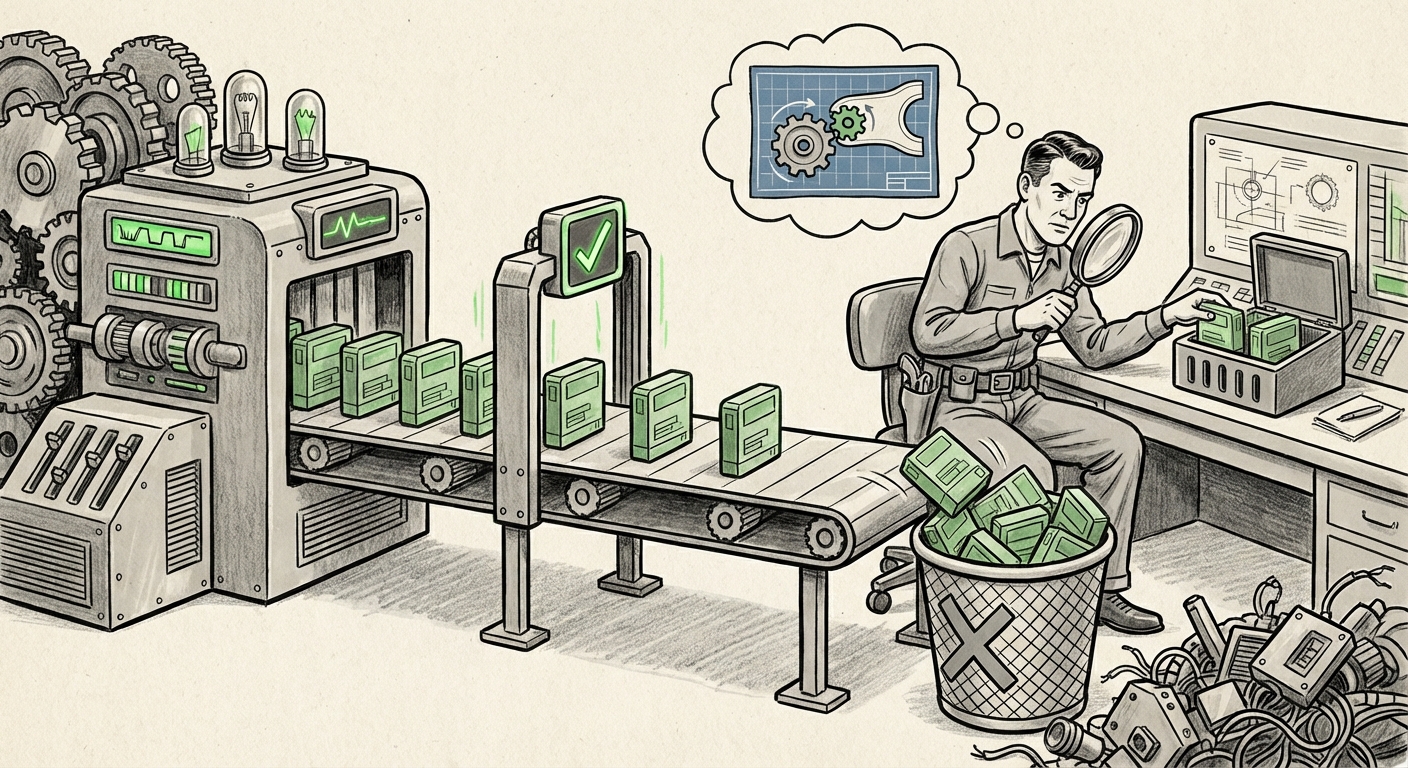
The hybrid model matters because it shows how AI is actually being adopted. The machine does the volume work. The human does the judgment work. Neither is replaced; the job changes shape.
Step 3: Upload or Connect the Source
Most modern transcription services accept an audio file upload, a video file, or a direct link to a hosted episode. Some connect to recording platforms so the transcript is generated automatically after each session. The less manual handling, the fewer mistakes and the lower the cost.
Step 4: Set Language, Speakers, and Timestamps
Before you run the transcription, tell the system what it is hearing. Set the language. Turn on speaker labels so the transcript shows who said what. Turn on timestamps so you can jump back to the exact moment in the audio. For interviews and panel shows, speaker separation, often called diarization, is the difference between a useful transcript and a wall of confusing text.
Step 5: Edit With a Human Eye
This is the step people skip, and it is the step that matters most. Read the transcript while listening to key sections. Fix names, product names, technical terms, and numbers. Clean up filler words if the transcript is for publishing, but keep them if it is for legal or research use. Check speaker labels, especially when voices are similar or people interrupt each other.
Editing is where trust is built. A transcript with a wrong name or a flipped quote can damage credibility far more than a missing comma.
Step 6: Format for the Destination
The same transcript may need several formats: a clean readable version for the website, a timestamped version for show notes, a subtitle file for video, and a plain text version for search and analysis. Decide the destination before you format, because each one has different rules.
Step 7: Publish, Store, and Reuse
Publish the transcript alongside the episode. Store the master file in a consistent place. Then put it to work: pull quotes, build summaries, create social posts, and feed the text into your search and analytics systems. A transcript that is published once and never reused is a wasted asset.
What This Means for the Future of AI
Podcast transcription looks like a niche task. It is actually a preview of several major shifts.
1. Speech Is Becoming a First-Class Interface
For decades, computers were built around typing. Speech-to-text flips that. As transcription gets more accurate and more affordable, voice becomes a normal way to interact with software, not a novelty. Meetings, calls, lectures, and voice notes will increasingly be captured as text by default, the same way photos are now captured as data by default.
2. The Human-in-the-Loop Model Is Winning
The most successful AI products are not fully automatic. They are assistive. They do the first pass, flag uncertainty, and leave the final call to a person. Transcription is a perfect example: the machine handles hours of audio in minutes, and a human spends a few minutes fixing the parts that matter. Expect this pattern to spread to legal review, medical notes, customer support, and financial analysis.
3. Accuracy Is Becoming a Trust Issue, Not a Technical One
As transcription quality improves, the conversation shifts from "does it work?" to "can I trust it?" That means features like confidence scores, easy correction tools, speaker verification, and clear audit trails will matter more than raw speed. The same will be true across AI: the winners will be the systems that make it easy to check and correct their work.
4. Multimodal AI Will Blend Audio, Text, and Video
Transcription is increasingly one piece of a larger pipeline. The same system can produce a transcript, identify speakers, generate chapters, create subtitles, translate into other languages, and summarize the episode. This blending of media types is where AI is heading, not one model doing one trick, but a workflow that handles many formats at once.
5. Privacy and Consent Move to the Center
Every recorded conversation raises questions. Who agreed to be recorded? Where is the audio stored? Is it used to train models? For businesses, transcription policy is becoming part of data governance. The organizations that handle this well will earn trust; the ones that do not will face legal and reputational risk.
Practical Implications for Businesses
The lessons from podcast transcription apply far beyond media companies.
- Meetings: Auto-transcripts turn discussions into searchable records, but only if someone reviews the key decisions and action items.
- Customer support: Call transcripts reveal recurring problems and let teams search past conversations. They also raise consent and retention questions that need clear rules.
- Education: Lecture transcripts support accessibility and review, and they help students who learn better by reading.
- Legal and compliance: Accurate records are valuable, but automated transcripts alone are rarely enough for high-stakes use. Human verification stays essential.
- Marketing: Transcripts are a content goldmine. One hour of audio can produce a dozen pieces of written content.
The common thread is that AI lowers the cost of converting speech into usable text. When a cost falls that sharply, new uses appear. Teams start transcribing things they never bothered to transcribe before, and that changes how they work.
Risks and Limitations to Keep in Mind
AI transcription is powerful, but it is not magic. It struggles with heavy accents, technical jargon, crosstalk, poor audio, and multiple languages in one conversation. It can mishear names and numbers in ways that look plausible, which makes errors harder to catch. It can also raise serious concerns around recording consent, copyright, and data storage.
There is also a deeper risk: over-trust. When a transcript looks clean and professional, people assume it is correct. That assumption is dangerous in journalism, law, medicine, and any setting where a single wrong word can change the meaning. The fix is simple but non-negotiable: review the parts that matter.
Actionable Insights
- Fix the audio first. Better recordings beat better tools every time.
- Use a hybrid workflow. Let AI draft, and let a human verify names, numbers, and quotes.
- Turn on speaker labels and timestamps. They make transcripts far more useful for editing and reference.
- Decide the destination before formatting. Web, subtitles, and analysis each need a different output.
- Write a clear recording and data policy. Say who is recorded, where files live, and how long they are kept.
- Reuse the transcript. Treat it as raw material for content, search, and analytics, not a one-time byproduct.
- Keep a correction loop. Track common errors and feed them back into your process so quality improves over time.
The Bigger Picture
The real story in podcast transcription is not the software. It is the shift in how we treat human conversation. Once speech becomes text, it becomes searchable, editable, translatable, and analyzable. That change turns a one-way broadcast into a two-way data asset.
This is how AI tends to arrive: not with a dramatic replacement, but with a quiet change in workflow. A task that used to take hours now takes minutes. A format that used to be closed becomes open. A record that used to be lost becomes permanent. The organizations that learn to pair machine speed with human judgment will get the most from it, and the ones that skip the human step will learn the hard way why it still matters.
The step-by-step process is simple: prepare the audio, choose your method, run the transcription, check it, format it, and reuse it. The deeper lesson is about how to work with AI in general. Let the machine handle the volume. Keep the judgment human. And always review the parts that carry the most risk.