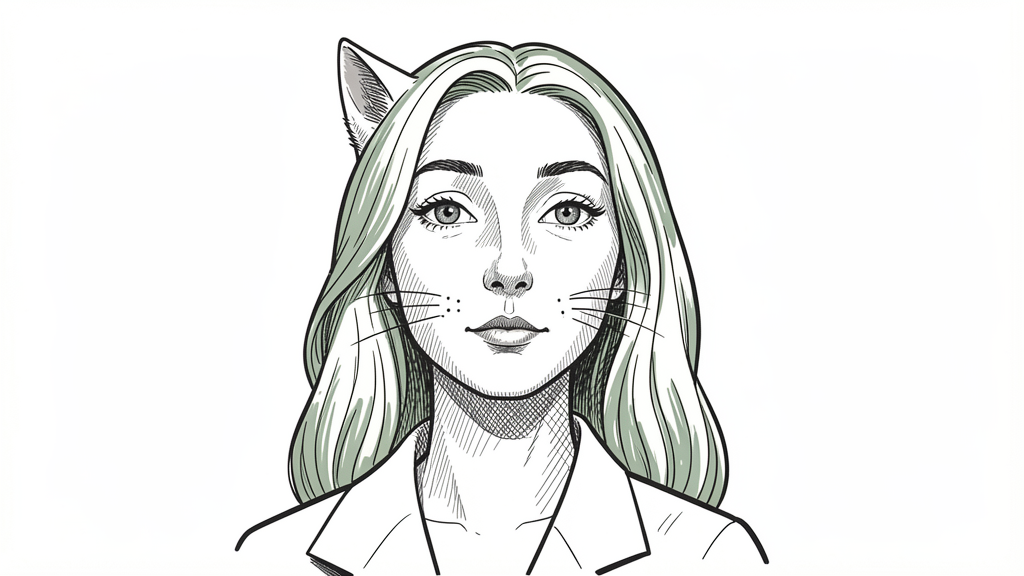
Sleek Peek: What a Cryptic AI Teaser Tells Us About the Future of Hype and Product Launches
On June 2, 2025, a teaser simply titled “Sleek peek.” was released with no body text. That’s it, just a title. No details, no screenshots, no explanation. And yet, that tiny piece of content is a perfect snapshot of where AI marketing is heading. It’s a masterclass in the curiosity gap: say almost nothing, and let the audience fill in the blanks.
But what does a bare-bones teaser like this actually signal about the future of AI? Is it a clever way to build anticipation, or a warning sign of hype over substance? For business leaders and technology watchers, the answer matters. The way AI products are announced, promoted, and perceived is changing fast, and a “sleek peek” is more than just a cute phrase. It’s a window into the next phase of the AI industry.
The Psychology of the Teaser: Why Less Creates More
Humans are wired to crave closure. When we see an incomplete story or a mysterious title, our brains automatically try to fill in the missing pieces. Psychologists call this the curiosity gap. A teaser like “Sleek peek.” creates that gap instantly. What is sleek? What are we peeking at? Is it a new AI model, a device, a feature, or something else entirely?
In the AI world, where products are often complex and technical, this approach is especially powerful. Most AI announcements are packed with benchmarks, model sizes, and feature lists. They can feel like homework. A two-word teaser flips the script. It’s simple, mysterious, and shareable. It invites speculation on social media and in group chats. That speculation is free marketing, and it can spread faster than any press release.
But there’s a dark side. When you create mystery without delivering substance, you risk disappointing your audience. AI has already been through several hype cycles where big promises were followed by underwhelming results. Users are getting skeptical. A teaser can build excitement, but if the eventual reveal doesn’t match the hype, trust takes a hit. For companies, the lesson is clear: use the curiosity gap carefully. It’s a powerful tool, but it’s also a double-edged sword.
What “Sleek” Signals About AI’s Next Chapter
The word “sleek” is doing a lot of work in that title. In product design, sleek means smooth, polished, and easy to use. It suggests that the focus is shifting from raw technical power to user experience. And that’s exactly where the AI industry is heading.
For years, the AI race was about who had the biggest model or the most parameters. That was the “spec sheet” era. But as the technology matures, the differentiator is becoming design. How easy is it to integrate AI into your daily workflow? How natural does the interface feel? Does it fit seamlessly into the tools you already use? These questions matter more to everyday users than a benchmark score ever will.
“Sleek” also hints at something else: AI is moving out of the lab and into consumer products. That means the bar is rising. People expect AI to look good, feel intuitive, and just work. If a product is clunky or confusing, they’ll abandon it. The teaser suggests that whoever released it understands this shift. They’re not selling a model, they’re selling an experience.
For businesses, this is a wake-up call. If you’re building AI tools, don’t just focus on what the technology can do. Focus on how it feels to use. Invest in design, onboarding, and user feedback. The “sleek” factor is no longer a nice-to-have. It’s a competitive necessity.
The Risk of Hype Fatigue in AI
AI has a hype problem. Every week brings a new “revolutionary” announcement. Some are real breakthroughs. Many are repackaged features. The result is that audiences are getting tired. They’ve seen too many grand claims that didn’t pan out. That’s why a teaser like “Sleek peek.” is a risky move. It adds to the noise without offering any substance.
Companies that rely on mystery alone may find that the strategy backfires. If you tease something and then deliver a modest update, people feel tricked. If you tease something and then go silent, people lose interest. The most successful AI announcements combine a little mystery with a clear promise. They give you enough to be intrigued, but not so much that you can poke holes in it.
There’s also a bigger issue: trust. AI is a technology that people are still learning to trust. They worry about privacy, bias, and job loss. A cryptic teaser doesn’t address any of those concerns. In fact, it can make AI feel more opaque and mysterious, which is the opposite of what the industry needs. To build trust, companies need to be transparent about what their AI does, how it works, and what its limits are. A “sleek peek” is fun, but it’s not a substitute for honesty.
Practical Implications for Businesses: How to Read and Respond to Teasers
If you’re a business leader, you’re probably seeing teasers like this all the time. They come from competitors, partners, and startups trying to make a name for themselves. How should you respond?
- Don’t overreact. A teaser is not a product. It’s a signal of intent. Wait for the actual announcement before you change your strategy. Jumping at every mysterious tweet can lead to wasted time and resources.
- Use teasers as competitive intelligence. What words do they use? “Sleek” suggests a design focus. “Peek” suggests a preview. These clues can tell you what a competitor is prioritizing. That’s useful information, even without details.
- Focus on your own roadmap. The best response to a competitor’s hype is to deliver real value to your users. Don’t get distracted by mystery campaigns. Keep your eyes on your own customers and their problems.
- Consider your own announcement strategy. Teasers can work for you too, if you have something worth teasing. But don’t use them as a crutch. Build anticipation with a clear promise, then over-deliver on the reveal.
For smaller businesses, the lesson is even simpler: you don’t need a flashy teaser to get attention. You need a product that solves a real problem. A plain, direct announcement can be more powerful than a cryptic one. People appreciate clarity, especially in a noisy market.
What This Means for the Future of AI and How It Will Be Used
The “Sleek peek.” teaser is a small thing, but it points to a larger trend. AI is becoming more consumer-facing, more design-driven, and more theatrical in its marketing. That’s a sign of maturity. When an industry starts focusing on sleekness and user experience, it means the underlying technology is becoming good enough for everyday use. The fight is no longer about who has the best model. It’s about who has the best product.
But it also means that the AI industry needs to be careful. Hype can only carry you so far. The companies that win in the long run will be the ones that balance excitement with honesty. They’ll use teasers to spark curiosity, but they’ll follow up with real, useful features. They’ll invest in design, but not at the expense of transparency. They’ll understand that trust is the ultimate currency in AI.
Looking ahead, expect more cryptic teasers from AI companies. Expect more focus on “sleek” interfaces and seamless integration. Expect the line between consumer tech and AI to blur even further. But also expect users to become more discerning. They’ll reward products that deliver on their promises and punish those that rely on mystery alone. The “sleek peek” era is here, but substance will always be the real differentiator.
Actionable Insights: What to Do Next
- For product teams: Audit your user experience. Is your AI tool sleek and intuitive? If not, make design a priority this quarter.
- For marketers: Experiment with teasers, but always include a clear value proposition. Don’t leave your audience guessing for too long.
- For executives: Monitor teasers from competitors, but don’t let them dictate your roadmap. Invest in real differentiation.
- For consumers: Enjoy the mystery, but wait for the substance. Don’t let a clever title replace your critical judgment.