CrossnoKaye and Amazon Bedrock AgentCore: How Grounding Physical AI Will Reshape Industry
Artificial intelligence is moving out of the chat window and into the physical world. That shift is exciting, but it comes with a hard problem: an AI that can make mistakes in a text box is one thing; an AI that can make mistakes on a factory floor, in a power plant, or on a robot is something else entirely. This is where the concept of grounding becomes critical. CrossnoKaye is now using Amazon Bedrock AgentCore to ground physical AI, and the approach offers a clear window into where the next wave of industrial AI is heading.
What Is Physical AI, and Why Does Grounding Matter?
Physical AI refers to AI systems that sense and act in the real world. Think of robots, automated machinery, drones, and industrial control systems. These systems must take in data from sensors, understand what is happening, make decisions, and then take action. That action has real consequences.
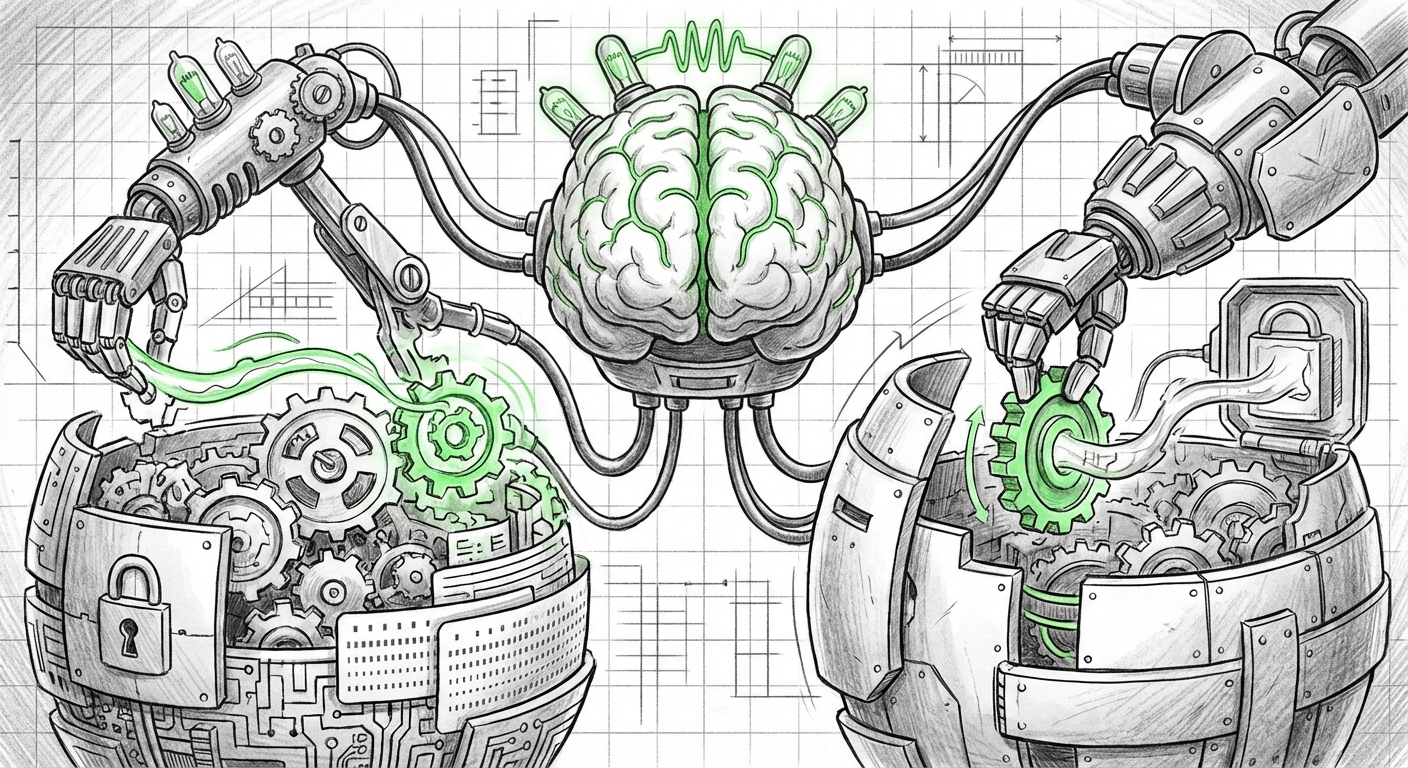
Grounding is the process of connecting an AI model to real-world context. It means giving the AI access to current sensor data, business rules, safety limits, and the actual state of the physical system. Without grounding, an AI is just guessing based on patterns it learned in training. With grounding, it can reason about what is actually happening right now.
For example, a language model might know that a valve should be closed when pressure is too high. But a grounded physical AI needs to know which valve, what the current pressure reading is, whether maintenance is underway, and what the safe operating procedures say. Grounding turns generic intelligence into situational intelligence.
This is the challenge CrossnoKaye is addressing. By using Amazon Bedrock AgentCore, the company is building a bridge between powerful AI models and the messy, high-stakes reality of physical operations.
Why Agent Platforms Are the Missing Link
Amazon Bedrock AgentCore is a platform for building and running AI agents. An agent is more than a chatbot. It can plan, use tools, access data, and take actions. In a physical AI context, an agent could read sensor data, check a maintenance log, consult a safety rulebook, and then recommend or trigger an action.
What makes AgentCore relevant here is that it provides a structured way to connect models to tools and data sources. Instead of building every integration from scratch, teams can focus on their domain expertise. For CrossnoKaye, that means focusing on physical AI use cases while relying on AgentCore for the agent runtime and orchestration.
This is a significant shift. In the past, grounding physical AI required highly custom, brittle integrations. Each sensor, each database, each control system needed its own connector. Agent platforms are starting to standardize that layer. They allow developers to define tools, set guardrails, and manage memory and context. That makes it faster and safer to deploy AI in environments where mistakes are costly.
It also makes AI more accessible to industrial companies. You no longer need a massive in-house AI team to build a grounded agent. You can use a platform and focus on your operational knowledge. That lowers the barrier to entry and speeds up innovation.
What This Means for Businesses
The CrossnoKaye approach points to several practical implications for companies that operate in the physical world.
1. Faster time to value
Building a physical AI system from scratch can take years. Agent platforms compress that timeline. Teams can start with a narrow use case, such as monitoring a single machine or optimizing one process, and then expand. This iterative approach reduces risk and delivers value sooner.
2. Better safety and reliability
Physical AI must be safe. Agent platforms typically include ways to set guardrails, limit actions, and require human approval for high-risk decisions. That is essential in industrial settings. Grounding also improves reliability because the AI is working from real data and explicit rules, not just statistical patterns.
3. Integration with existing systems
Most industrial companies have decades of investment in control systems, sensors, and databases. A good agent platform can connect to these systems without requiring a rip-and-replace. That protects existing investments and makes adoption more practical.
4. New business models
Once physical AI is grounded and reliable, it opens up new services. Companies can offer predictive maintenance, energy optimization, or remote operations as a service. They can also use AI agents to augment human workers, helping them make better decisions faster.
The Bigger Trend: From Chatbots to Action
The shift from conversational AI to agentic AI is one of the most important trends in technology. Chatbots answer questions. Agents take action. In the physical world, that action can be a recommendation to an operator, an adjustment to a setpoint, or a command to a robot.
But action requires trust. Trust requires grounding. That is why the combination of physical AI and agent platforms is so powerful. It allows companies to move from pilots to production. It also explains why a company like CrossnoKaye would choose a platform approach rather than building everything in-house.
We are likely to see more announcements like this. As agent platforms mature, they will become the default way to build grounded AI for physical systems. The winners will be companies that can combine deep domain knowledge with strong AI engineering. They will use platforms for the plumbing and focus their talent on the hard problems.
What This Means for the Future of AI
Looking ahead, several developments are likely.
- Convergence of cloud and edge: Physical AI often needs to run close to the action, but it also needs cloud-scale training and coordination. Agent platforms will increasingly support hybrid deployments.
- Standards for grounding: We will see more standards for how AI agents access sensor data, safety rules, and control systems. This will make it easier to build portable, interoperable solutions.
- Human-in-the-loop by design: The most successful physical AI systems will not be fully autonomous. They will be designed to work with humans, asking for approval when needed and explaining their reasoning.
- New skills: The workforce will need to understand both operations and AI. Companies will invest in training to help engineers and operators work alongside intelligent agents.
CrossnoKaye's use of Amazon Bedrock AgentCore is an early example of a pattern that will become common. It shows that grounding physical AI is not just a research problem. It is an engineering and platform problem. And it is solvable.
Actionable Insights for Leaders
If you are responsible for operations or technology in a physical industry, here is what you can do now.
- Start with a narrow, high-value use case. Pick one process or asset where AI can make a measurable difference. Avoid boiling the ocean.
- Invest in data quality. Grounding depends on reliable sensor data and well-documented rules. Clean data is the foundation.
- Choose platforms over custom builds. Unless AI is your core product, use an agent platform to handle orchestration, tool use, and guardrails. Focus your team on domain expertise.
- Build safety and oversight in from day one. Define what the AI can and cannot do. Require human approval for high-risk actions. Log everything.
- Train your people. Explain what the AI does, how it makes decisions, and when to override it. Trust comes from transparency.
The companies that master grounded physical AI will gain a significant advantage. They will operate more efficiently, respond faster to problems, and unlock new services. The technology is ready enough to start. The key is to begin with clear goals and strong guardrails.
Conclusion
CrossnoKaye's work with Amazon Bedrock AgentCore highlights a crucial step in the evolution of AI. We are moving from AI that talks to AI that acts. In the physical world, acting requires grounding. It requires connecting models to real data, real rules, and real consequences. Agent platforms are making that connection easier and safer.
The future of AI will not be just about bigger models. It will be about better grounding. It will be about agents that can understand context, use tools, and work alongside humans. The companies that figure this out first will lead the next wave of industrial innovation. And the rest of us will benefit from safer, more efficient, and more responsive physical systems.