Apple's App Tracking Transparency Update in the EU: What It Means for AI and Digital Advertising
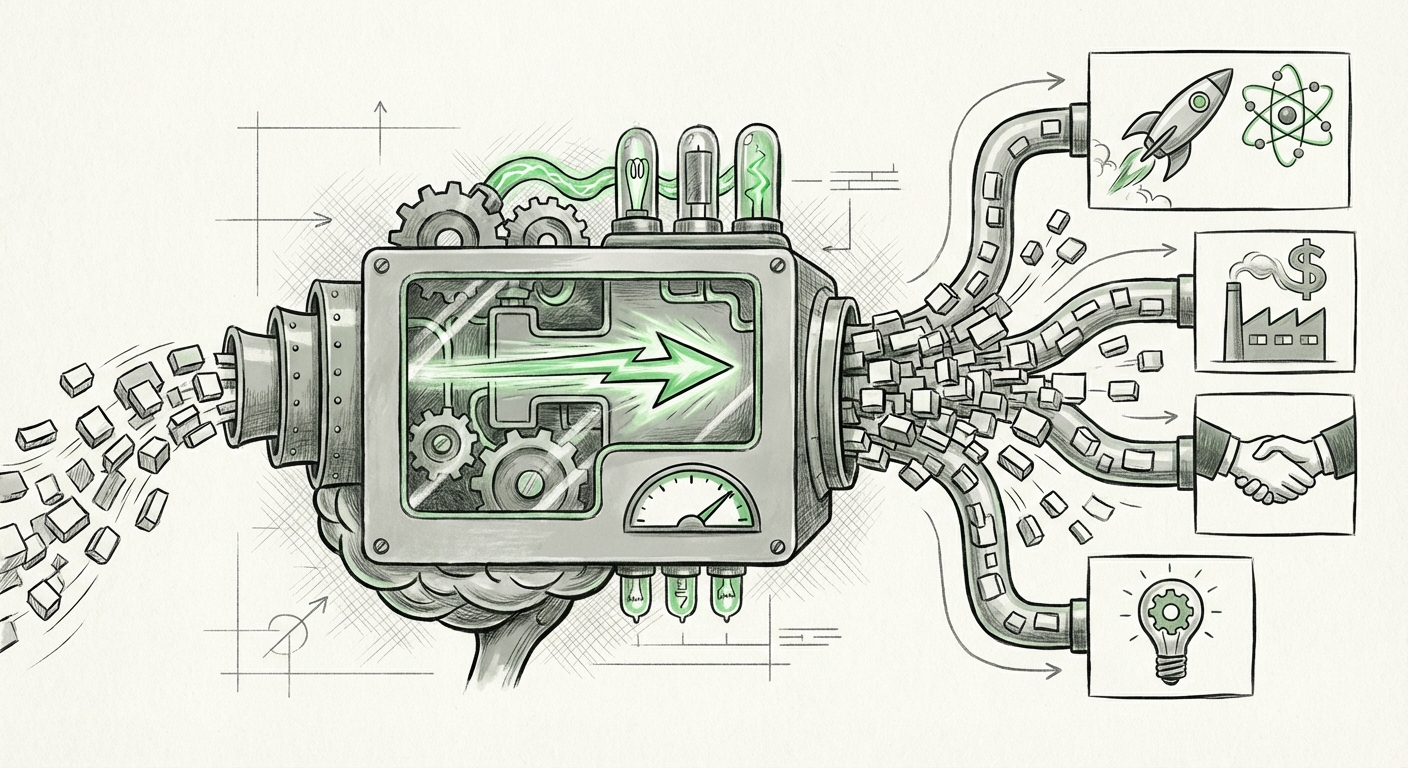
Apple has announced updates to its App Tracking Transparency (ATT) framework in the European Union. This might sound like a small technical change, but it signals a major shift in how digital advertising works, and it has huge implications for artificial intelligence. For years, AI systems have been trained on vast amounts of user data, much of it collected by tracking people across apps and websites. Now, with tighter privacy rules in Europe, that data pipeline is being squeezed. The companies and developers that adapt will thrive. Those that don't will struggle.
The Privacy Paradigm Shift
App Tracking Transparency is Apple's privacy feature that requires apps to ask users for permission before tracking their activity across other companies' apps and websites. When ATT first launched, it sent shockwaves through the advertising industry. Many users chose not to be tracked, which meant advertisers lost access to the detailed behavioral data they had relied on for years. The update in the European Union doubles down on that direction. It tightens the rules further, likely making it even harder for companies to track users without clear, explicit consent.
Why is the EU so important? Europe has been the global leader in digital privacy regulation. Its rules often become the blueprint for other regions. When the EU pushes for stronger privacy protections, the whole world watches, and often follows. Apple, keen to position itself as a privacy champion, is responding to that pressure. The update is a clear message: the era of free-for-all data collection is ending, at least in Europe.
For AI, this is a fundamental challenge. Many modern AI models, especially those used for ad targeting, recommendation systems, and personalization, depend on cross-app tracking data. That data helps AI understand what you like, what you buy, and what you might do next. Remove that data, and the AI becomes less accurate. It's like trying to predict the weather without a radar. You can still do it, but it's harder.
What the Update Signals for AI
The exact details of Apple's ATT update are still emerging, but the direction is unmistakable. Apple is making it harder to track users without their knowledge. That means AI systems can no longer assume they will have access to a steady stream of behavioral data. Instead, they will have to work with less, or find new ways to get consent.
This is not just a hurdle. It's an opportunity. The AI industry has been criticized for being too hungry for data, often at the expense of user trust. The ATT update forces a rethink. It pushes developers toward privacy-preserving technologies that can deliver smart experiences without hoovering up personal information. Think of it as a diet for AI: less data, but better quality.
One immediate effect will be a surge in contextual AI. Instead of tracking you across the web, AI can analyze the content you're looking at right now. If you're reading about running shoes, an AI can show you ads for running gear without needing to know your entire browsing history. Contextual advertising is less creepy and more privacy-friendly. It's also a growing area for AI innovation.
Another trend will be the rise of on-device AI. Instead of sending your data to a server, AI can run directly on your phone. Your device learns your preferences locally, without sharing them with advertisers. Apple has already been investing heavily in on-device processing, and this update will accelerate that. For AI developers, this means designing models that are small, efficient, and respect privacy.
How AI Will Adapt
So how exactly will AI systems cope with less data? Here are a few key strategies that are already gaining traction:
- Federated learning: This is a technique where AI models are trained across many devices without the data ever leaving those devices. Your phone learns, but the raw data stays with you. Only the model updates are shared. This is a powerful way to build smart AI while keeping data private.
- Differential privacy: This adds random noise to data so that individual users cannot be identified. It allows companies to learn patterns from large groups without exposing anyone's personal information.
- Synthetic data: This is artificially generated data that mimics real data. AI can be trained on synthetic data when real data is scarce or restricted. It's not perfect, but it's improving fast.
- First-party data: Instead of relying on third-party tracking, companies will build direct relationships with customers. If you sign up for a newsletter or create an account, you're giving permission to use your data. This data is more reliable and more privacy-compliant.
These techniques are not new, but the ATT update will make them mainstream. AI developers who master them will have a competitive edge. Those who ignore them will find themselves on the wrong side of regulation and user trust.
The Business Impact
For businesses, the message is clear: the old playbook is obsolete. Advertisers can no longer rely on tracking users across apps to build detailed profiles. Instead, they need to focus on consent, transparency, and value exchange. If you want data, you have to earn it.
Here are some actionable steps for businesses:
- Audit your data practices: Understand what data you collect, where it comes from, and whether you have proper consent. The ATT update will likely increase enforcement, so compliance is non-negotiable.
- Invest in first-party data: Build direct relationships with your customers. Offer loyalty programs, newsletters, or exclusive content in exchange for data. Make it clear how their data will be used.
- Embrace contextual AI: Shift ad targeting from behavioral to contextual. Use AI to analyze the content users are engaging with, not their entire history. This is more privacy-friendly and often more effective.
- Use privacy-safe measurement: Traditional attribution is getting harder. Explore new tools like aggregated measurement, clean rooms, and privacy-preserving analytics.
- Design for transparency: Be upfront about what data you collect and why. Users are more likely to trust, and share with, companies that are honest.
For app developers, the ATT update may mean a hit to ad revenue. Many apps rely on targeted ads to stay free. But it also opens the door to new business models: subscriptions, in-app purchases, and premium features. The apps that survive will be those that offer real value and respect user privacy.
What It Means for Society
The ATT update is part of a larger societal conversation about privacy and power. For years, a handful of tech giants have controlled the flow of data. Privacy rules like ATT aim to give users more control. But they also concentrate power in the hands of platforms like Apple, which set the rules.
There's a risk that big companies with huge first-party data sets, think Apple, Google, Amazon, will benefit most. Smaller companies may struggle to compete. That's why regulators need to ensure a level playing field. The goal should be a digital economy where privacy is protected, innovation thrives, and small businesses can grow.
For AI, this is a chance to mature. Instead of being seen as a data-hungry monster, AI can be designed to respect boundaries. It can be helpful without being invasive. That's a future worth building.
The Road Ahead
Apple's ATT update in the EU is a wake-up call. It shows that privacy is not a passing trend, it's the new standard. For AI, the message is simple: adapt or fall behind. The future belongs to AI that can deliver value without stealing data. That means smarter algorithms, better on-device processing, and a commitment to user trust.
Businesses should start preparing now. The changes may be gradual, but they are inevitable. The companies that build privacy-first AI today will be the leaders of tomorrow. Those that cling to old methods will find themselves locked out.
The good news? Innovation is already happening. Federated learning, contextual AI, and privacy-preserving analytics are proving that you can have smart, personalized experiences without compromising privacy. The ATT update will accelerate these trends. It's a challenge, but also an opportunity to build a better internet.