Google Finds Technical Debt Derails AI Coding Agents: What 'Agent Distraction' Means for the Future of Software
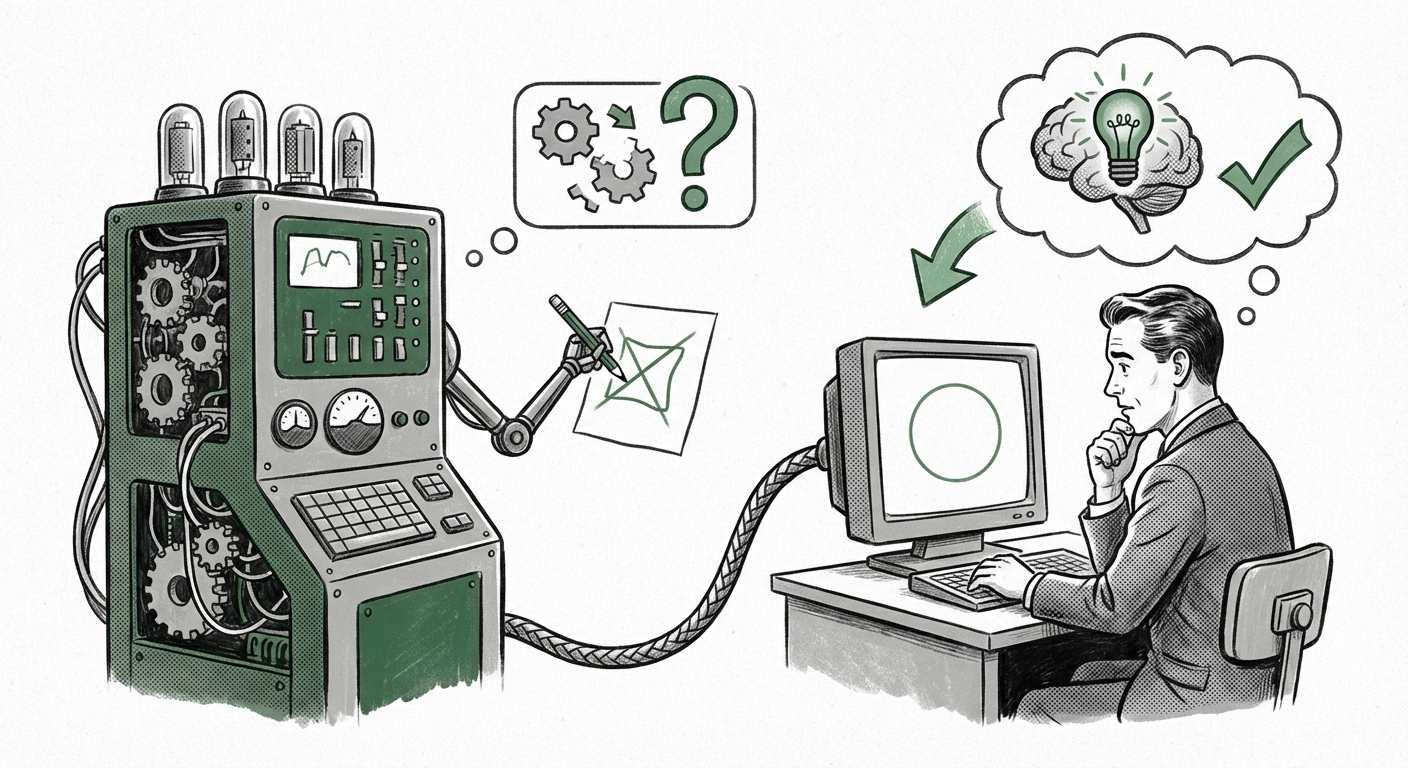
AI coding agents are being sold as the next big leap in software development. These tools can read your code, plan changes, write new features, and even run tests. But new research from Google reveals a hidden problem: technical debt can derail these agents through a phenomenon called "agent distraction." In simple terms, messy code confuses AI helpers. Instead of making your team faster, a distracted agent can waste time, make unnecessary changes, or fail to finish the job. This finding has major implications for how businesses adopt AI and for the future of software itself.
What Is Technical Debt, and Why Does It Matter for AI?
Technical debt is a metaphor for the extra work that comes from choosing quick, sloppy solutions now instead of doing things right. Maybe a developer copied and pasted code, skipped tests, or used confusing names. It works today, but it makes the codebase harder to understand and change later. Most companies have some technical debt. It is like a messy garage: you can still find things, but it takes longer, and you might trip over boxes.
For human developers, technical debt slows things down. For AI coding agents, it can be even worse. These agents rely on large language models to read and understand code. They look at the repository, pick out relevant files, and decide what to do next. When the code is clean and well-organized, the agent can focus. When the code is messy, the agent gets distracted.
How "Agent Distraction" Works
Imagine you ask an AI agent to fix a small bug in a payment feature. In a clean codebase, the agent finds the right file, sees clear function names, runs the existing tests, and makes a focused fix. In a messy codebase, the agent might see several similar-looking files, dead code that looks important, inconsistent naming, and comments that contradict the code. The agent may start chasing unrelated issues. It might "fix" something that wasn't broken, or rewrite a large section because it cannot tell what is essential.
Google's research calls this "agent distraction." The technical debt acts like noise. It pulls the agent's attention away from the task. The agent might spend its limited context window on irrelevant details. It might make changes that break other parts of the system. In the worst case, the agent gives up or produces a patch that looks plausible but is wrong.
This is not a small issue. Companies are investing heavily in AI coding tools. They expect these agents to boost productivity. But if the underlying codebase is full of debt, the agents may underperform. Worse, they may add new debt by making messy changes. The research suggests that technical debt is not just a human problem anymore. It is an AI problem too.
Why This Changes the AI Coding Conversation
Until now, most discussions about AI coding agents have focused on model quality, speed, and cost. Google's finding shifts the spotlight to something less glamorous: codebase health. No matter how smart the AI model is, it can only work with the context it is given. If that context is polluted by technical debt, the agent's performance drops.
This means businesses cannot simply drop an AI agent into a legacy codebase and expect magic. They need to prepare the codebase first. That might sound obvious, but many companies are rushing to adopt AI without cleaning up their code. The research is a warning: AI agents are not a shortcut around technical debt. In fact, they may be more sensitive to it than humans.
There is also a deeper lesson for the future of AI. As agents become more autonomous, they will need better ways to ignore irrelevant information. Future models may be trained to detect and avoid technical debt. They may learn to ask for clarification when the code is confusing. But for now, the burden is on humans to create a clean environment.
What This Means for the Future of AI and How It Will Be Used
The long-term impact is significant. First, AI coding agents will likely be paired with codebase health checks. Before an agent starts a task, a tool might scan the repository for signs of technical debt, duplicate code, missing tests, unclear names, and warn the team. Some agents may refuse to work in certain areas until the code is cleaned up. This could create a new market for "agent-ready code" assessments.
Second, the definition of good code will evolve. For decades, developers have written code for other humans. Now they must also write code for AI agents. That means clear structure, consistent naming, modular design, and thorough tests become even more important. Code that is easy for a human to understand is often easy for an AI to understand. But the reverse is not always true. Agents need explicit, unambiguous context. Technical debt creates ambiguity.
Third, AI agents may change how we pay down technical debt. Some people hope AI will automatically fix legacy code. But Google's research suggests that agents can get distracted by debt, making them poor candidates for large-scale refactoring without human guidance. Instead, agents might be best used on small, well-scoped tasks in clean areas. For the messy parts, humans still need to lead.
Finally, this finding could slow the adoption of fully autonomous coding agents. Companies will realize that agents need guardrails. They will invest more in code quality, testing, and documentation. That is good news for software reliability, even if it slows the hype cycle.
Practical Implications for Businesses
If you are a business leader or engineering manager, here is what you should take away from Google's research.
- Audit your codebase before deploying agents. Look for areas with high technical debt: duplicated code, missing tests, unclear names, outdated comments. Start agents on the cleanest, most well-understood parts of your system.
- Invest in tests and documentation. Agents rely on tests to know if their changes work. Good tests also act as a map. Clear documentation helps agents understand intent. These investments pay off for humans and AI alike.
- Use agents for small, focused tasks. Do not ask an agent to "clean up the entire module." Instead, give it a specific bug fix or a small feature in a well-defined area. Monitor its behavior. If it starts wandering, stop it.
- Keep humans in the loop. Technical debt often hides important business logic. An agent may not understand why a messy piece of code exists. Human review is still essential, especially in high-stakes systems.
- Do not use AI as an excuse to skip code quality. The research shows that technical debt can make AI less effective. Clean code is not a nice-to-have; it is a prerequisite for AI-assisted development.
Broader Societal Impact
Software runs our world: banking, healthcare, transportation, government. Technical debt in critical systems can cause outages, security breaches, and financial losses. If AI agents become common but are derailed by debt, the risk grows. Companies may ship buggy code faster because they trust the agent. That could lead to more incidents.
On the positive side, the research could push the industry to take code quality more seriously. For years, developers have warned about technical debt, but business leaders often ignored it because the cost was invisible. Now there is a new cost: AI agents that do not work well. That might finally motivate organizations to clean up their code. It could also lead to better tools for measuring and managing debt.
For society, the lesson is that AI is not magic. It is a tool that works best in well-prepared environments. We should not expect AI to fix decades of poor software practices. Instead, we should use AI as a reason to improve those practices.
Actionable Insights for Technical Teams
Here is a simple checklist to make your codebase more agent-friendly:
- Start small. Pick one clean module and try an agent there. Measure how often it gets distracted. Use that data to decide where to invest in cleanup.
- Create a "agent-ready" standard. Define what clean means for your team: naming conventions, test coverage, documentation, module boundaries. Treat it as a goal.
- Use static analysis tools. Many tools can flag technical debt. Run them before and after agent tasks to see if the agent is adding new debt.
- Train your team. Developers need to understand how agents read code. They should learn to write clear prompts and provide good context. They should also learn when to stop an agent that is distracted.
- Track agent performance. Measure success rates, time to completion, and rework. Compare clean vs. messy areas. Use the results to justify cleanup work.
Conclusion: Clean Code Is the Foundation for AI-Assisted Development
Google's discovery of agent distraction is a wake-up call. Technical debt is not just a drag on human productivity; it is a drag on AI productivity too. As coding agents become more common, the health of your codebase will matter more than ever. Companies that invest in clean code, tests, and documentation will get more value from AI. Those that ignore debt may find their agents wandering in the weeds.
The future of AI in software development is bright, but it is not automatic. It requires deliberate effort. The best way to prepare for AI agents is to write code that is clear, modular, and well-tested. That is good advice for humans, and it turns out to be essential for machines too. In the end, the lesson is simple: AI agents can help you build better software, but only if you give them a solid foundation.