Efficient Multimodal Data Pipelines: The Hidden Engine of Next‑Gen AI
Artificial intelligence is rapidly moving beyond text. Tomorrow’s AI systems will see, hear, and understand the world much like humans do, combining images, video, audio, and text into a single, seamless understanding. This is the era of multimodal AI. But behind every smart multimodal model is an unsung hero: the data pipeline. And as we enter the second half of 2025, one trend stands out: the push for efficient multimodal data pipelines. It’s a quiet revolution that will determine which companies win the AI race and how AI touches our daily lives.
In this article, we’ll break down what an efficient multimodal data pipeline is, why it matters, and what it means for the future of AI, business, and society. We’ll keep the jargon light and the insights practical, so both technical and business readers can walk away with a clear picture.
What Is a Multimodal Data Pipeline?
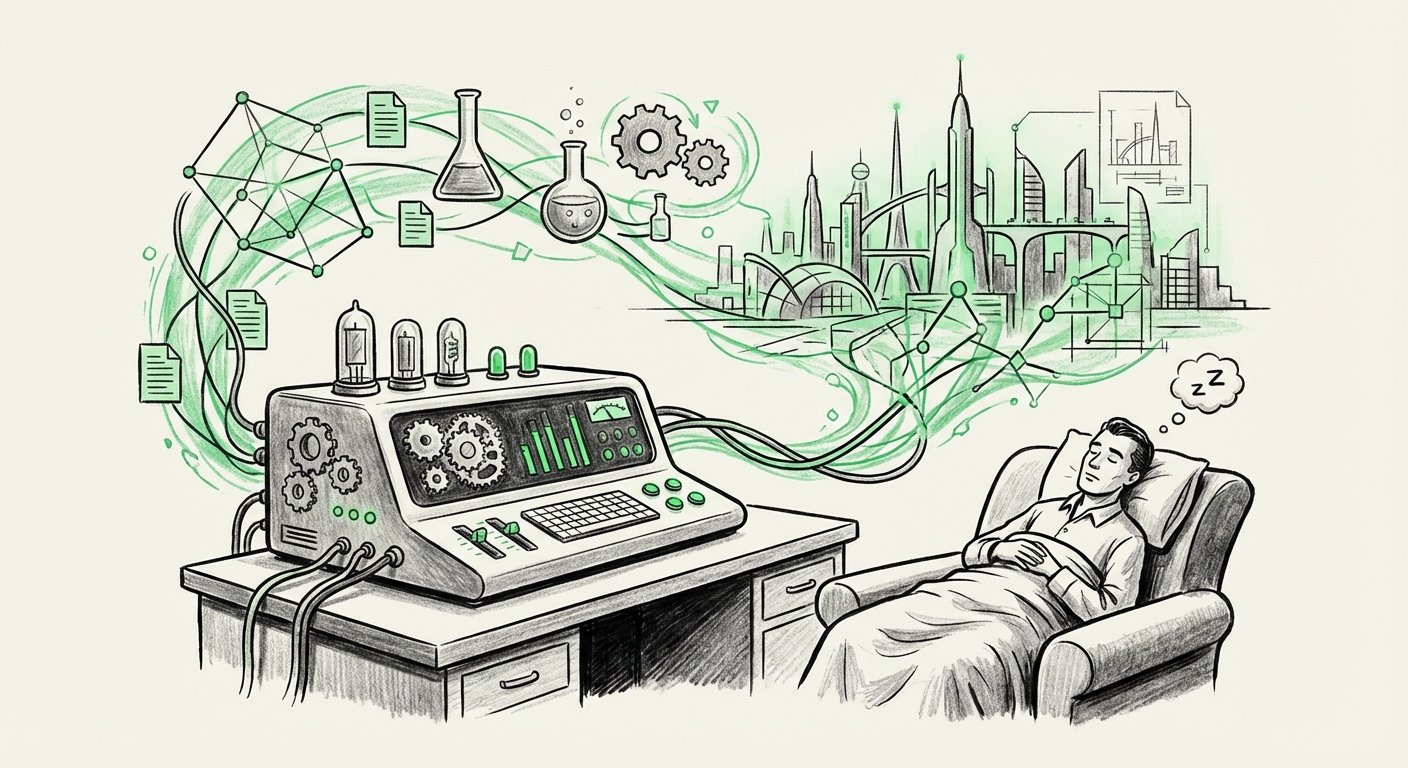
Think of a data pipeline as an assembly line for information. Raw data goes in one end, messy, diverse, and often incomplete, and clean, usable data comes out the other end, ready to train or run an AI model. A multimodal pipeline handles more than one type of data at once: text, images, audio, video, sensor readings, and more. It has to align these different formats, filter out noise, and deliver them in a way that a machine learning model can digest.
For example, a multimodal AI that helps doctors diagnose diseases might need to combine medical images (X‑rays, MRIs) with patient notes (text) and maybe even audio from a stethoscope. The pipeline must fetch these different data types from various sources, clean them, match them up (e.g., link an X‑ray to the right patient record), and feed them to the model in real time. Doing this efficiently, without wasting computing power, time, or money, is a massive engineering challenge.
Why Efficiency Is the New Frontier
In the early days of multimodal AI, teams focused on getting models to work at all. Now, the focus has shifted to making them work well at scale. Efficiency matters for three big reasons:
- Cost: Multimodal data is heavy. A single hour of video can be gigabytes. Processing it requires enormous compute and storage. Inefficient pipelines burn money fast.
- Speed: Real‑world applications like autonomous driving or live video analysis can’t wait minutes for data to be processed. They need sub‑second latency. Efficient pipelines keep the data flowing smoothly.
- Quality: Garbage in, garbage out. An efficient pipeline doesn’t just move data, it cleans, filters, and aligns it. That means better models and more reliable results.
The push for efficiency is also driven by a simple fact: data volumes are exploding. As more devices capture multimodal data, smartphones, IoT sensors, cameras, organizations are drowning in raw information. Without efficient pipelines, most of that data is unusable. With them, it becomes a goldmine.
Key Trends Shaping Efficient Pipelines
So what does an efficient multimodal data pipeline look like in 2025? Several trends are converging:
1. Smart Preprocessing at the Edge
Instead of sending every raw byte to the cloud, efficient pipelines preprocess data where it’s created. For instance, a security camera might run a lightweight model to detect motion and only send relevant clips, not hours of empty footage. This reduces bandwidth, storage, and cost. Edge preprocessing is becoming smarter, with on‑device AI filtering and compressing data before it ever leaves the sensor.
2. Unified Data Formats and Standards
Multimodal data comes in dozens of formats. Efficient pipelines increasingly rely on unified standards, like those being developed by industry consortia, so that images, audio, and text can be handled with the same tools. This reduces the need for custom code and speeds up development. It’s like standardizing shipping containers: suddenly, you can move anything easily.
3. Streaming and Real‑Time Processing
Batch processing (collecting data, then processing it later) is giving way to streaming pipelines that handle data as it arrives. This is essential for applications like live translation, augmented reality, and autonomous systems. Efficient streaming pipelines use techniques like windowing and micro‑batching to balance latency and throughput.
4. Automated Quality Control
Not all data is created equal. Efficient pipelines include automatic quality checks, detecting blurry images, noisy audio, or misaligned text, and either discard or correct bad data. This improves model accuracy and reduces the need for manual review. Some pipelines even use AI to clean data, creating a virtuous cycle.
5. Orchestration and Observability
As pipelines grow complex, teams need tools to monitor and manage them. Modern pipelines are built with orchestration frameworks that automatically scale resources, retry failed tasks, and log every step. Observability, the ability to see what’s happening inside the pipeline, is crucial for debugging and optimizing performance.
What This Means for the Future of AI
Efficient multimodal data pipelines are not just a technical nicety. They are the foundation for the next wave of AI capabilities. Here’s how they will shape the future:
Real‑Time Multimodal Assistants
Imagine a virtual assistant that can watch a live video feed, listen to your voice, and read your documents, all at once, to give you instant advice. Efficient pipelines make this possible by processing all those data streams in real time. This could revolutionize fields like customer service, healthcare, and education.
Large‑Scale Multimodal Training
Training a single multimodal model can require petabytes of data. Efficient pipelines can curate and stream that data to GPUs without bottlenecks, cutting training time from months to weeks. This democratizes access to cutting‑edge AI, allowing smaller organizations to compete.
Edge AI and Privacy
By processing data efficiently at the edge, pipelines can keep sensitive information local. For example, a smart home device could analyze video and audio locally without sending anything to the cloud, preserving privacy. This builds trust and complies with regulations.
Adaptive and Continual Learning
Efficient pipelines enable models to learn continuously from new data. Instead of static training, AI systems can update themselves as fresh multimodal data arrives. This is a step toward AI that adapts to changing environments, like a robot that learns new tasks on the fly.
Practical Implications for Businesses
For business leaders, the message is clear: investing in efficient multimodal data pipelines is no longer optional. It’s a competitive necessity. Here’s what to focus on:
- Audit your data flows. Where is your multimodal data coming from? How is it processed? Identify bottlenecks and inefficiencies.
- Start small with a pilot. Pick one use case, like automating image tagging for e‑commerce, and build a streamlined pipeline for it. Prove the ROI, then expand.
- Adopt open standards. Avoid vendor lock‑in by using open formats and tools. This makes it easier to integrate new data types as they emerge.
- Invest in observability. You can’t optimize what you can’t see. Use monitoring tools to track pipeline performance and catch issues early.
- Train your team. Data engineers need skills in streaming, orchestration, and multimodal data handling. Upskilling is essential.
Companies that master efficient pipelines will be able to launch multimodal AI products faster, cheaper, and more reliably than competitors. They’ll also be better positioned to comply with data privacy regulations, since efficient pipelines often mean less data movement and more local processing.
Societal Implications
The efficiency revolution in data pipelines has broader consequences for society. On the positive side, it can make AI more accessible: smaller organizations and developing regions can use multimodal AI without massive infrastructure. It can also reduce energy consumption, efficient pipelines use less compute, which means a smaller carbon footprint for AI training and inference.
However, there are risks. Efficient pipelines can make it easier to collect and analyze data at scale, raising privacy concerns. And if pipelines are not designed with fairness in mind, they can amplify biases present in the data. For example, a multimodal hiring tool that analyzes video interviews might inadvertently filter out candidates based on appearance or accent if the pipeline doesn’t include bias checks. Society must demand transparency and accountability in how these pipelines are built and used.
Actionable Insights for the Road Ahead
Whether you’re a technologist or a business leader, here’s what you can do today:
- Map your multimodal data sources. Identify all the types of data you have and how they flow through your organization.
- Prioritize latency and cost. For each AI use case, define acceptable latency and budget. Design pipelines to meet those targets.
- Embrace automation. Use tools that automatically clean, validate, and align data. Manual steps don’t scale.
- Think about edge vs. cloud. Decide what data needs to be processed locally and what can go to the cloud. A hybrid approach often works best.
- Build for change. New data types will emerge. Design pipelines to be modular and extensible so you can add them without rebuilding from scratch.
Conclusion: The Quiet Engine of AI’s Future
Efficient multimodal data pipelines rarely make headlines. They’re not as flashy as a new model or a killer app. But they are the quiet engine that will power the next decade of AI. Without them, multimodal AI stays a lab experiment. With them, it becomes a transformative force across industries, from healthcare and manufacturing to entertainment and education.
As we look ahead, the organizations that win will be those that treat data pipelines not as plumbing, but as a strategic asset. They’ll invest in efficiency, standards, and observability. They’ll build pipelines that are fast, reliable, and fair. And they’ll unlock AI capabilities that today seem like science fiction.
The future of AI is multimodal. And the key to that future is an efficient pipeline.