NeurIPS 2025 E2LM Competition: Why Early AI Model Evaluation Is a Big shift
Imagine spending millions of dollars to train a giant AI model, only to find out months later that it doesn’t work as hoped. That’s a nightmare scenario for any company building large language models. Now, a new competition announced for NeurIPS 2025 is tackling this exact problem head-on. The E2LM Competition, short for Early Training Evaluation of Language Models, was announced in July 2025. It might sound like a niche academic event, but it signals a major shift in how the AI industry thinks about building models. This shift could save billions of dollars, speed up innovation, and make AI safer for everyone.
What Is Early Training Evaluation?
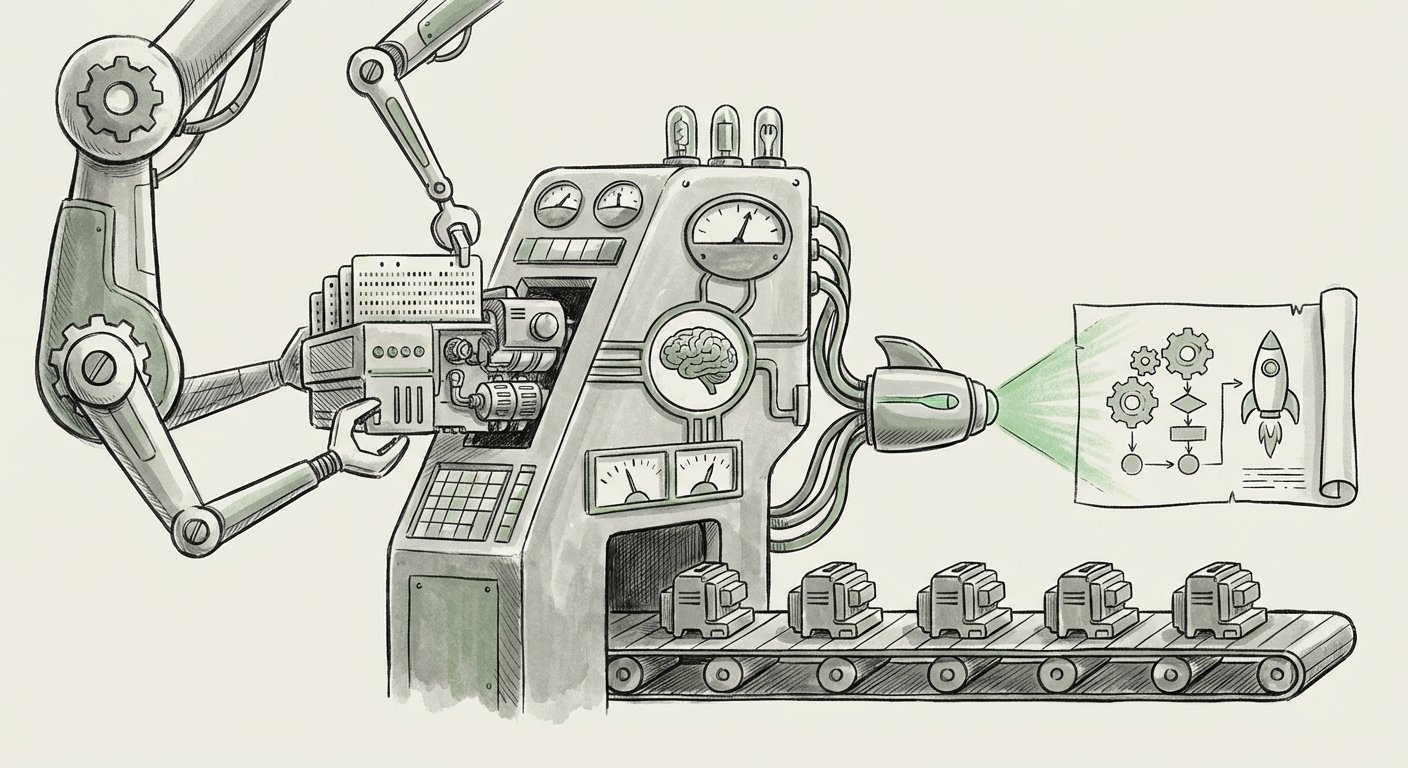
Training a large language model is a lot like baking a cake. You mix ingredients, put it in the oven, and wait. But what if you could stick a toothpick in the cake halfway through baking to see if it’s rising properly? That’s what early training evaluation does for AI. Instead of waiting until a model is fully trained, which can take weeks or months and cost a fortune, researchers check the model’s performance at early stages. They look at small checkpoints during training and try to predict how good the final model will be.
Why does this matter? Because if you can tell early that a model is on the wrong track, you can stop training, fix the problem, and save massive amounts of computing power and money. You can also compare different training recipes quickly. Think of it as a smoke detector for AI training. The earlier you catch a problem, the less damage it causes.
Why the E2LM Competition Is a Big Deal
The NeurIPS 2025 E2LM Competition brings together researchers from around the world to solve this challenge. NeurIPS is one of the largest and most respected AI conferences. When it hosts a competition, the whole field pays attention. The E2LM competition asks teams to develop methods that can accurately evaluate a language model’s final performance from its early training checkpoints. In other words, can you predict the final grade of a student after just a few weeks of class?
This is not just an academic exercise. The AI industry is at a turning point. For years, the winning strategy was “bigger is better”, train the largest model with the most data and the most compute. But that approach is hitting limits. Training runs now cost tens or even hundreds of millions of dollars. Companies are under pressure to be more efficient. Early evaluation is a key tool for efficiency. It lets teams fail fast and cheaply, then double down on the most promising approaches.
The competition also reflects a broader trend: AI is moving from an art to a science. In the early days, building a model was like alchemy, lots of guesswork and intuition. Now, researchers want rigorous ways to measure and predict. A competition like E2LM helps create shared benchmarks and best practices. Everyone benefits when the field agrees on how to tell if a model is on the right track.
What This Means for the Future of AI
The E2LM competition points to several big changes coming to AI development. First, faster iteration. If you can evaluate models early, you can test more ideas in the same amount of time. That means innovation speeds up. Imagine a car company that can test a new engine design in a day instead of a month. That’s the kind of acceleration we’re talking about.
Second, lower costs. Training large models is expensive and energy-intensive. Early evaluation helps avoid wasting resources on doomed runs. That’s good for the bottom line and good for the planet. As AI models get bigger, the environmental impact of training becomes a bigger concern. Efficiency is no longer optional.
Third, better safety. If you can spot bad behavior early in training, you can correct it before the model is deployed. For example, if a model starts showing signs of bias or toxicity during early training, researchers can adjust the data or training process. Catching problems early is much easier than fixing them after the model is fully baked. This could lead to safer AI systems.
Fourth, democratization. Right now, only a few huge companies can afford to train the largest models. But if early evaluation makes training more efficient, smaller players can compete. A university lab or a startup might not need a massive budget to test ideas. They can run smaller experiments, evaluate early, and only scale up the winners. That could lead to more diversity in the AI ecosystem and more voices at the table.
Practical Implications for Businesses
If you run a business that uses or builds AI, this competition matters to you even if you’re not a researcher. Here’s why. First, vendor evaluation. When you buy an AI model or service, you should ask about early training evaluation. Did the vendor use it? Can they show that their model was on track early? This is a sign of a disciplined, efficient development process. It also reduces your risk of buying a model that was rushed or poorly tested.
Second, internal AI projects. If your company trains its own models, even small ones, you should invest in early evaluation tools. Don’t wait until the end to find out if your model works. Set up checkpoints and metrics from day one. This is like doing regular check-ins on a project instead of waiting for the final deadline. You’ll catch problems sooner and save money.
Third, budget planning. Early evaluation helps you forecast costs better. If you know a model is on track early, you can commit more resources confidently. If it’s not, you can cut your losses. This makes AI projects less risky and more predictable. Finance teams will love that.
Fourth, talent and culture. The best AI teams already use early evaluation. If you’re hiring, look for people who understand this. It shows they care about efficiency and rigor. Building a culture of early testing can give your company an edge.
Actionable Insights: What to Do Now
Here are five practical steps you can take today, whether you’re a technical leader or a business executive.
- Learn the basics of early evaluation. Read up on how researchers predict model performance from early checkpoints. You don’t need to be an expert, but understanding the concept helps you ask better questions.
- Ask your AI vendors about their evaluation process. Do they use early training evaluation? Can they share any metrics? This is a simple way to gauge their maturity.
- Build internal benchmarks. If you train models, create small-scale tests that can run quickly. Use these to compare ideas before committing to full training runs.
- Monitor early and often. Set up regular checkpoints during training. Track key metrics and look for red flags. Don’t wait until the end.
- Follow the E2LM competition results. The methods that win will likely become best practices. Pay attention to what works and try to adopt it.
The Bigger Picture
The NeurIPS 2025 E2LM Competition is more than a contest. It’s a sign that the AI field is growing up. We’re moving past the wild-west days of “just train bigger models” and into an era of smart, efficient, and safe development. Early training evaluation is a key part of that maturation. It’s the difference between building a house with a blueprint and building it by guessing. The blueprint doesn’t guarantee success, but it dramatically improves your odds.
For society, this matters because AI is becoming more powerful and more integrated into our lives. We need AI systems that are reliable, safe, and affordable. Early evaluation helps us get there. It reduces waste, speeds up progress, and makes AI development more transparent. That’s a win for everyone.
As the competition unfolds, we’ll see new methods and insights. But the biggest takeaway is already clear: the future of AI belongs to those who can measure early, learn fast, and adapt. Whether you’re a researcher, a business leader, or just someone interested in technology, this is a trend worth watching.