AI Cheating Scandal in South Korea: Why the Future of Exams, and AI, Is at a Turning Point
A cheating scandal tied to artificial intelligence has rattled South Korea as the annual college exam approaches. The details are still unfolding, but the signal is impossible to miss: AI has become a practical tool for cheating at scale. This is not just a school problem. It is a preview of how AI will challenge trust in every credential, test, and certification. The response will shape how AI is used in education and beyond.
What the Scandal Really Tells Us
For years, people talked about AI cheating as a future risk. That future is now. Generative AI can write essays, solve math problems, explain concepts, and answer questions in real time. It is cheap. It is easy to hide. A student no longer needs to copy from a neighbor. A phone, a smartwatch, or a tiny earpiece can bring AI into the exam room.
The scandal is a stress test for exam integrity. It exposes gaps in rules, supervision, and technology. Many schools still rely on old methods: banning phones, watching students, and trusting paper. But AI can be used before, during, or after an exam. It can help students prepare in ways that look like cheating. It can help them produce work that is not their own.
High-stakes exams are a trust system. Students, universities, and employers believe the score means something. If people start to doubt that, the credential loses value. That is the real danger. A cheating scandal does not just hurt one year’s results. It can weaken faith in the whole system.
Why South Korea Is a Warning for Everyone
South Korea is one of the most exam-focused societies in the world. It has fast internet, high smartphone use, and intense competition for university spots. When a new technology changes how students study or cheat, South Korea often feels it first. What happens there tends to spread.
The annual college exam is a national event. A scandal tied to that exam gets attention. It forces a public conversation that other countries will soon face. The lesson is simple: AI cheating is not a distant problem. It is here, and it is moving fast.
Other countries should watch closely. The same tools are available everywhere. The same pressures exist wherever a test decides who gets into a good school or a good job. South Korea’s response will be studied. But every country needs its own plan.
The Detection Arms Race Is a Trap
The first response to AI cheating is often to buy AI detectors. That is a mistake. Detectors are unreliable. They produce false positives, meaning honest students get accused. They produce false negatives, meaning cheaters get away. They can be gamed by changing a few words or using a different tool. They cannot keep up with new models.
Banning AI tools is also hard. Students can use offline models, hidden devices, or help from friends. Bans create an unfair advantage for those who break the rules. They also punish students who follow the rules but need AI for legitimate learning support.
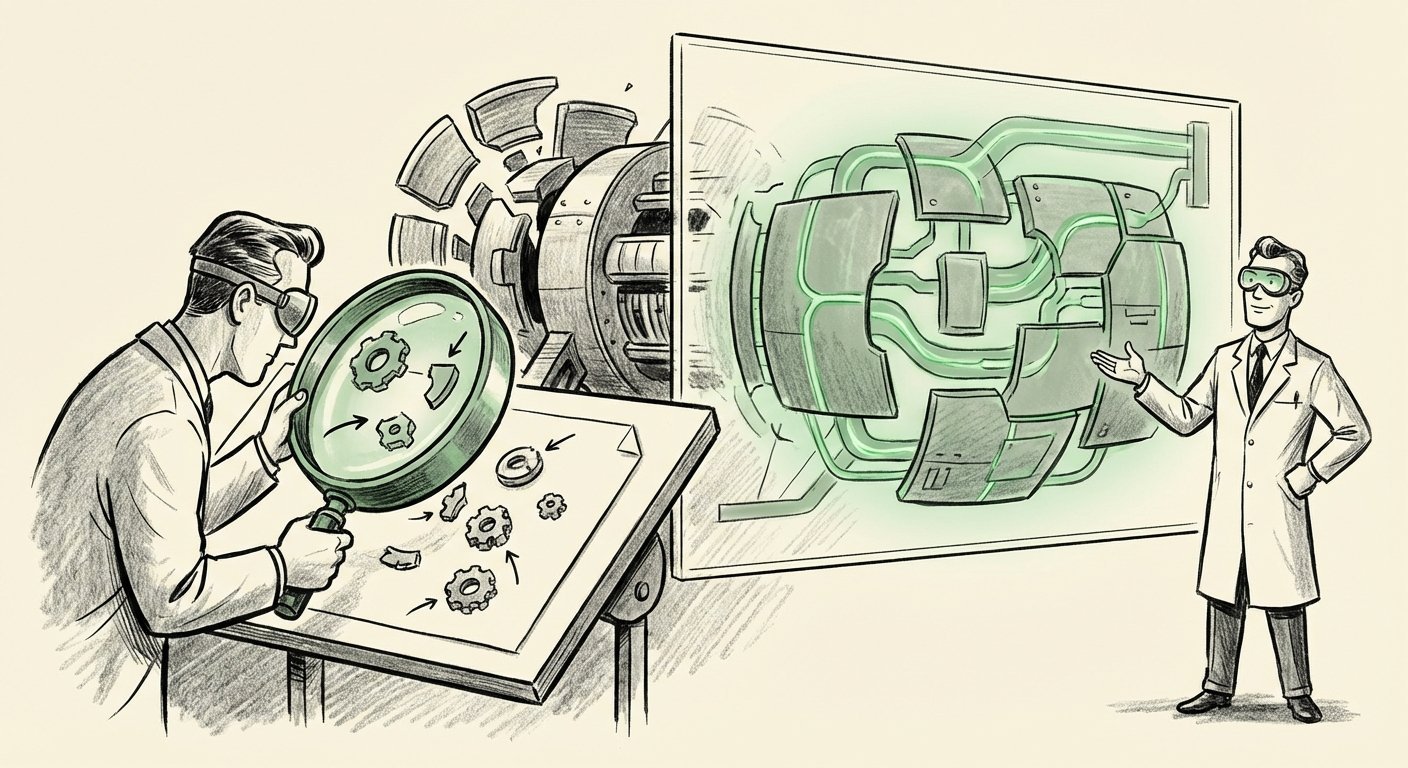
A better path is to redesign assessment. Use in-person components, oral exams, and process portfolios. Ask students to explain their reasoning. Give tasks that require creativity, judgment, and real-world problem solving. AI can help with practice, but it should not be the final proof of skill.
The goal is not to catch every cheater. The goal is to make cheating less useful. If the assessment measures what matters, AI shortcuts will not work.
How AI Will Be Used in Education Going Forward
AI is not going away. The question is how we use it. In education, AI can be a powerful tutor. It can give students personalized practice, instant feedback, and help with language learning. If access is fair, AI can reduce inequity. It can help students who cannot afford private tutors.
AI can also help teachers. It can grade routine work, generate practice questions, and spot students who are struggling. That frees teachers to focus on mentoring and deeper learning.
For assessment, the future is likely a mix. Some exams will be secure and offline. Others will be open-book and AI-assisted, but they will ask students to critique AI output, verify facts, and explain their process. The skill being tested will be judgment, not memory.
Schools will need new rules. They should define what AI use is allowed. They should train proctors to spot hidden devices. They should invest in secure test delivery. But they should also teach AI ethics and responsible use. Students need to know when AI is a tool and when it is a shortcut.
Practical Implications for Businesses
Businesses should pay attention. If exam scores become less trustworthy, hiring based on grades becomes riskier. Employers will need skills-based tests, work samples, and structured interviews. They will need to ask candidates to explain their reasoning and show their process.
Certifications must adapt too. A certificate that only tests recall will be easy to fake with AI. Certifications should add practical components, simulations, and real-world projects. AI can help create these assessments, but it also raises the bar for what counts as proof.
AI literacy is becoming a basic job skill. Workers need to know when to trust AI and when to verify. They need to understand bias, privacy, and security. Companies should update their policies on AI use in training, hiring, and daily work. Managers need training so they can lead teams that use AI well.
Policy and Society: Clear Rules, Not Panic
Policymakers should avoid panic. Blanket bans rarely work. Instead, governments should set clear guidelines for AI use in exams. They should fund teacher training and support research on valid assessment. They should protect student privacy when using AI monitoring tools.
Equity matters. Not all students have the same access to AI tools or quiet study space. Policies should not punish students for lacking technology. They should focus on fairness and support.
Public trust depends on transparency. Schools and exam boards should communicate clearly about incidents and fixes. Hiding problems makes trust worse. Admitting mistakes and explaining changes builds confidence.
Actionable Insights
For Schools and Universities
- Audit your assessments for AI vulnerability. Which tasks can be easily done by AI?
- Add oral defense, in-person writing, or practical projects to high-stakes exams.
- Teach AI ethics and responsible use starting in early grades.
- Use AI to give feedback and practice, not just to police cheating.
For Policymakers
- Fund teacher training on AI and assessment design.
- Set national guidelines for AI use in exams and admissions.
- Support research on new ways to measure skills.
- Protect student privacy and data.
For Employers
- Move toward practical hiring tests and work samples.
- Ask candidates to explain their process and verify AI-generated work.
- Update job descriptions to include AI judgment and verification skills.
- Train managers to lead teams that use AI responsibly.
For Parents and Students
- Focus on learning, not shortcuts. AI can help you practice, but it cannot replace your thinking.
- Understand that AI is a tool. Use it to explore ideas, not to avoid effort.
- Ask your school how it is adapting to AI. Be part of the conversation.
Conclusion: A Stress Test, Not the End
The South Korea cheating scandal is a wake-up call. It shows that AI will force every high-stakes assessment to change. The future is not about banning AI. It is about designing systems where AI supports learning and where proof of skill is real. That is better for students, employers, and society.
We have a choice. We can fight a losing battle against AI detection. Or we can rethink what we measure and how we measure it. The second path is harder, but it is the only one that builds lasting trust. AI will keep getting better. Our assessments must get better too.