AI Sheets: How Open AI Models Are Changing the Way We Work With Data
On August 8, 2025, a new tool called AI Sheets was introduced. It is designed to help people work with datasets using open AI models. That may sound like a small step. But it points to a much bigger shift. Spreadsheets are where most business data lives. Bringing open AI models into that space could change who can analyze data, how fast decisions get made, and how much control companies have over their own information.
This article looks at what AI Sheets signals for the future of AI. It explores why open models matter, what businesses should do now, and how society might feel the impact. The goal is to make the trend clear for both technical and business readers, without hype and without jargon.
The Spreadsheet Meets Open AI
Spreadsheets are one of the most common tools in the world. Millions of people use them every day to track sales, manage budgets, and study customers. But spreadsheets have a limit. They can store and calculate data, yet they cannot easily explain what the data means. That is where AI can help.
AI Sheets brings AI models into the process of working with datasets. The key word is open. Open AI models are models that are openly available. They can be used, studied, and often customized by many different people and organizations. This is different from closed models that live behind a paid API and cannot be changed by the user.
Why does open matter? First, it gives users more control. A business can run an open model on its own computers or in its own cloud. That means sensitive data does not have to leave the company. Second, open models can be adapted. If a team has a special kind of data, like legal contracts or medical notes, they can adjust the model to work better on that data. Third, open models can reduce costs. Instead of paying per query to a closed provider, a company can invest in its own setup.
AI Sheets sits at the intersection of two trends. The first is the move of AI into everyday productivity tools. The second is the rise of open models as a real alternative to closed systems. Together, these trends could make data analysis more accessible and more private at the same time.
Why Open AI Models Are a Big Deal for Data Work
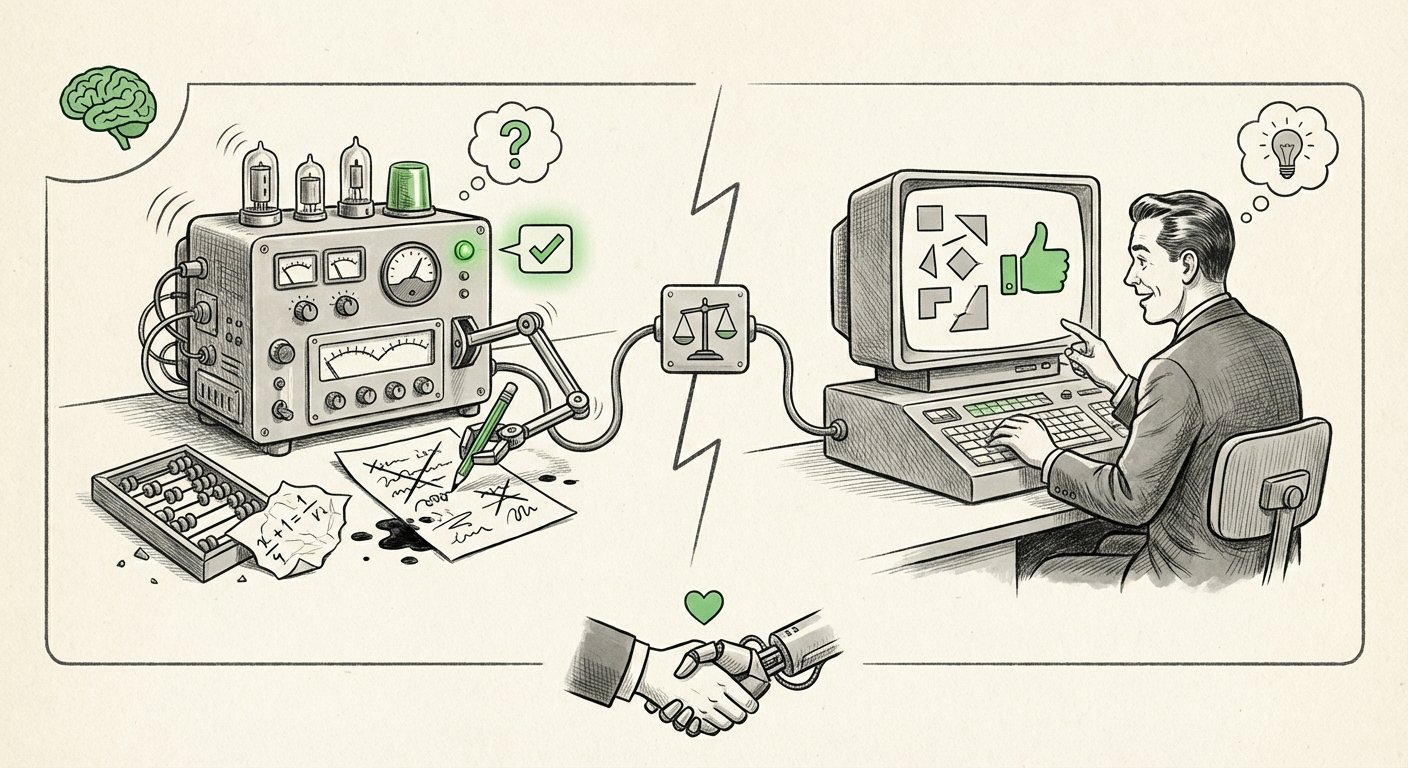
Data work is often divided into two worlds. On one side are data scientists who write code and build models. On the other side are business users who live in spreadsheets. AI Sheets aims to narrow that gap by letting people work with datasets using AI models directly.
Open models make this more practical for several reasons:
- Privacy and control: Companies can keep data inside their own systems. This matters for financial records, health data, and personal information.
- Customization: Open models can be tuned for specific industries or tasks. A model can learn the language of a particular business.
- Cost flexibility: Organizations can choose where to spend money, on hardware, on setup, or on support, instead of only paying per API call.
- Transparency: Open models can be inspected. That helps with audits, compliance, and trust.
There are trade-offs. Open models can be harder to set up. They may not always match the performance of the largest closed models. They require skilled people to run and maintain. But tools like AI Sheets are meant to hide some of that complexity. They put a simple interface on top of powerful technology. That is a pattern we will see more often: AI becomes invisible infrastructure inside tools people already know.
What This Means for the Future of AI
AI Sheets is a small tool, but it hints at three big changes in how AI will be used.
1. AI becomes part of the tool, not a separate destination
Today, many people use AI by opening a chat window. In the future, AI will be built into the tools they already use, spreadsheets, email, project trackers, and design software. Users will not think, “I need to use AI.” They will just work with data, and AI will help in the background. AI Sheets is an early example of this shift. It brings AI to the dataset instead of forcing the user to go to a separate AI product.
2. Open models create more competition and choice
For years, the most powerful AI models were closed and expensive. Open models are changing that. They are getting better and cheaper. They let more companies enter the market. They also let organizations avoid lock-in to a single vendor. AI Sheets shows that open models can be packaged into useful business tools. As more tools like this appear, the AI market will likely split into two layers: closed models for the hardest problems, and open models for everyday work where control and cost matter more.
3. Data literacy becomes AI literacy
Most workers today know how to use a spreadsheet. Fewer know how to use AI safely. Tools like AI Sheets could make AI feel as normal as a formula in a cell. But that also raises the bar for everyone. People will need to know how to ask good questions, check AI outputs, and spot mistakes. The future of AI is not just about better models. It is about better users.
Practical Implications for Businesses
For business leaders, AI Sheets and similar tools open up new options. Here is what to consider.
Faster insights from existing data. Most companies already have piles of data in spreadsheets and databases. AI can help teams clean that data, find patterns, and summarize results. This can speed up reporting and reduce manual work.
Lower barriers for small teams. Small businesses often cannot hire data scientists. Tools that use open models can give them analysis power that was once out of reach. A marketing team could study customer feedback. A finance team could review expenses. A sales team could spot trends in pipeline data.
New focus on data governance. Open models can run locally, but they still need rules. Who can access the data? Where do the models run? How are outputs checked? Companies should write simple policies before they scale up. AI is not magic. It needs clean data and clear ownership.
Pilot before you commit. The best way to learn is to try. Pick one dataset and one question. Run it through AI Sheets or a similar tool. Compare the result with your current process. Measure speed, accuracy, and cost. Then decide where to expand.
Practical Implications for Society and Workers
The social impact of tools like AI Sheets is likely to be mixed, but mostly positive if handled well.
On the positive side, these tools can democratize data analysis. A teacher could study student performance. A community group could analyze local housing data. A small shop owner could understand sales patterns. When data analysis becomes easier, more people can make evidence-based decisions.
On the caution side, there is risk of over-trust. AI models can be wrong. They can reflect biases in data. They can produce confident answers that are not true. Workers will need to keep a human in the loop. They will need to check results against real-world knowledge. That is a skill that can be taught.
Jobs will change. Some manual data tasks may shrink. But new tasks will grow: checking AI outputs, designing questions, cleaning data, and explaining results to others. The workers who thrive will be those who can blend domain knowledge with basic AI skills.
There is also a risk of a new digital divide. Companies and people with access to these tools will move faster. Those without access, or without training, may fall behind. Open models can help close the gap because they are often free or low-cost. But access alone is not enough. Training and support matter just as much.
Actionable Insights
If you want to get ready for the AI-in-spreadsheets future, here are practical steps:
- Start with a small, clean dataset. Pick one question you already know the answer to. Use it to test the tool.
- Define the question before you start. AI works better when the goal is clear. Write down what you want to learn.
- Check outputs against a sample. Do not trust every answer. Verify a few results by hand.
- Review data privacy and hosting. Decide whether the model should run locally, in your cloud, or through a vendor. Understand where data goes.
- Compare open models with your current process. Look at speed, accuracy, and cost. Do not assume AI is always better.
- Train your team on basics. Teach prompt writing, data hygiene, and critical review. Keep it simple and practical.
- Create a review process. Any AI-generated insight that affects money, customers, or safety should get a human check.
Conclusion
AI Sheets is a sign of where AI is going. It is not a standalone chatbot. It is a tool that brings open AI models into the work people already do with datasets. That combination, everyday tools plus open models, could make data analysis more accessible, more private, and more customizable.
For businesses, the message is clear: experiment now, but do it with care. For workers, the message is to build basic AI and data skills. For society, the message is to push for openness and training so the benefits are shared. The future of AI will not be built only by big labs. It will be built into the spreadsheets, documents, and workflows that millions of people use every day.