Customize Answers Per Tenant in Amazon Bedrock: The Quiet Upgrade That Makes Shared AI Actually Safe
Most companies building AI assistants hit the same wall around month three. The demo works. The pilot works. Then a second customer shows up, and suddenly the whole thing gets complicated. Customer A cannot see Customer B's data. Customer A also wants the assistant to talk like Customer A, follow Customer A's policy rules, and use Customer A's product names. One shared chatbot, one shared knowledge base, and a hundred small differences that all have to be handled at once.
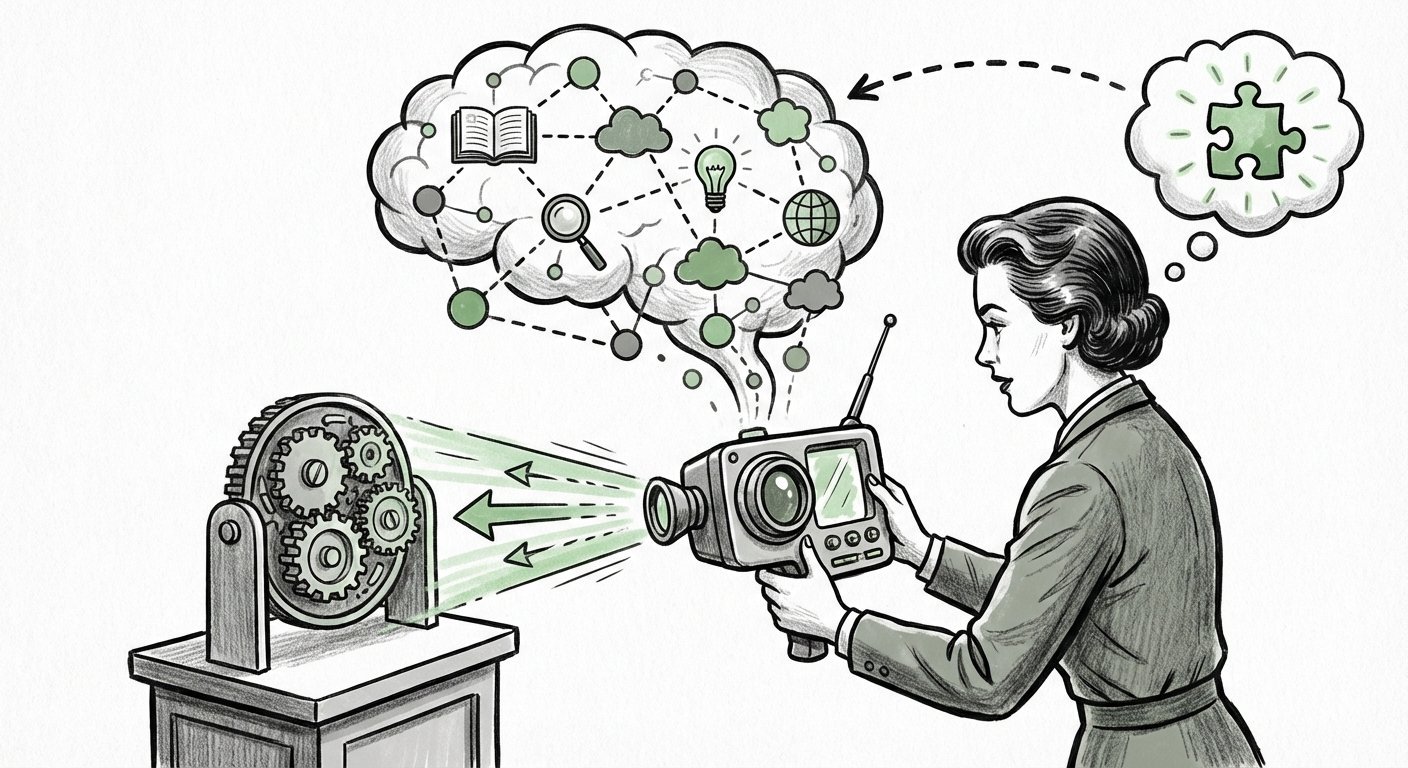
That is exactly the problem the new per-tenant answer customization capability in Amazon Bedrock Managed Knowledge Base is aimed at. Instead of every user in a shared system getting the same generic answer pulled from the same pool of documents, the system can now tailor responses to the specific tenant making the request, same underlying platform, different answers per customer.
It sounds like a small feature note. It is not. This is the kind of plumbing change that decides whether a company can sell one AI product to a thousand customers or has to rebuild the stack for each one. And it points to where enterprise AI is heading next: away from "one smart model" and toward many carefully scoped answers running on shared infrastructure.
What Actually Changed
Amazon Bedrock's Managed Knowledge Base is a service for connecting a foundation model to your own documents so the model can answer questions using your content instead of guessing. That approach is called retrieval-augmented generation, or RAG. The model retrieves relevant snippets, then writes an answer grounded in those snippets.
The new piece is tenant-level control over the answer. In a multi-tenant setup, think a software company hosting many client organizations on one platform, the knowledge base can now shape the response based on which tenant is asking. The same question from two different tenants can produce two different, correctly scoped answers.
Why does that matter so much? Because until now, teams had two bad options. Option one: one shared knowledge base, which made isolation a constant worry and made customization a mess of workarounds. Option two: a separate knowledge base per tenant, which is clean but expensive, slow to onboard, and painful to maintain as the customer count climbs.
Per-tenant answer customization is a third path. Shared infrastructure, differentiated output. For anyone selling AI-powered software, that is the difference between a product and a project.
Why Multi-Tenancy Has Been the Hardest Problem in Enterprise AI
Multi-tenancy is an old idea in software. Cloud providers have done it for years: one service, many customers, strict walls between them. AI breaks that model in a new place, not at the database layer, but at the answer layer.
Consider what a single AI response actually contains. It blends retrieved documents, the model's own general knowledge, formatting choices, tone, and whatever instructions were attached to the request. Two tenants sharing a knowledge base can leak information through a stray retrieved chunk, a shared cache, or a prompt that pulls in the wrong context. Even when nothing leaks, the answers still feel wrong, because the assistant is speaking in a blended voice that belongs to nobody.
That blend is the real killer in regulated industries. A bank, a hospital, and an insurer cannot ship an assistant that occasionally borrows another client's phrasing or policy language. Compliance teams block that immediately, and they are right to.
This is why so many AI pilots stall between proof of concept and production. The model is not the bottleneck. Isolation and personalization at the same time is the bottleneck. Per-tenant answer customization attacks that bottleneck directly.
The Bigger Trend: RAG Is Growing Up
Step back and a pattern appears. The first wave of enterprise AI was about proving a model could answer questions at all. The second wave, which we are in now, is about making those answers correct, contained, and consistent for a specific business context.
That shift shows up in three ways at once:
- From model-centric to context-centric. The competitive edge is no longer which model you call. It is what you feed it and how you scope it. Knowledge base controls are becoming the product.
- From one assistant to many personas. Companies increasingly want a single platform that speaks in many voices, one per brand, per region, per client. Tenant-aware answers make that possible without forking the codebase.
- From accuracy to accountability. Buyers now ask who saw what, and why the answer came out the way it did. Per-tenant boundaries are a governance feature as much as a product feature.
Put together, these point to a maturing market. The novelty phase is over. What buyers want now is the unglamorous machinery that makes AI safe to run at scale, routing, scoping, permissions, and versioning. Features like per-tenant customization are exactly that machinery.
What This Means for the Future of AI
Shared platforms will beat bespoke builds
If one platform can serve many tenants with tailored answers, the economics of building AI products change. Instead of a new deployment per customer, you get one deployment with configuration on top. Onboarding gets faster. Support gets simpler. Margins improve. Expect this pattern to spread well beyond any single cloud provider, tenant-aware retrieval is becoming a baseline expectation, not a differentiator.
Configuration becomes the new code
When answers can be tuned per tenant, a lot of work shifts from engineering to configuration. Product managers, solutions teams, and even customers themselves may end up adjusting how the assistant behaves for their organization. That is powerful, and it is also a new risk surface. Someone has to own those settings, review them, and roll them back when they go wrong.
Data boundaries move to the center of AI design
For years, AI architecture conversations started with the model. Increasingly they will start with the boundary: who is allowed to see which documents, and how do we prove it? Per-tenant answer control makes that a first-class design question instead of an afterthought. The companies that get this right will be the ones trusted with sensitive workloads.
The assistant starts to sound like your business
Generic AI answers are recognizable and increasingly unwelcome. Users want the assistant to know their plan tier, their region, their contract terms, and their internal jargon. Tenant-aware answers move AI from "a smart stranger" to "a colleague who has read the right files." That shift is what turns a demo into a tool people actually use every day.
Practical Implications for Businesses
For software companies: this lowers the cost of serving many clients on one AI platform. It also raises the bar, once per-tenant answers are possible, customers will expect them. Generic responses become a churn reason.
For regulated industries: scoped answers make it far easier to argue that one client's information will not surface in another client's session. That is a conversation compliance teams can actually have, and it unblocks deployments that were stuck in review.
For internal IT teams: the same capability works inside a single company. HR, legal, finance, and engineering can share one assistant while each gets answers tuned to its own policies and documents, without four separate builds.
For cost and operations: fewer duplicated systems means less to monitor, patch, and pay for. Duplicated knowledge bases are quiet budget drains, every copy needs refreshing, testing, and auditing.
Risks and Guardrails to Plan For
Customization is not free of danger. The more knobs you expose, the more ways a tenant can be misconfigured, and a misconfigured tenant is a support ticket at best, an incident at worst. Teams should plan three things from day one.
- A clear default. Every tenant should have a sane, safe baseline before anyone customizes anything.
- Change history. Log who changed which setting and when. When an answer goes wrong, you need to trace it fast.
- Testing per tenant. A question set that runs against every tenant configuration will catch most surprises before customers do.
There is also a subtler risk: drift. When each tenant's answers evolve separately, quality can quietly diverge. Someone needs to watch the whole fleet, not just the flagship client.
Actionable Steps to Take Now
- Audit your current boundaries. Map every place where one customer's content could reach another customer's answer. Include retrieved chunks, caches, prompts, and logs.
- Separate "isolation" from "personalization." They are different problems with different owners. Treat them separately in design reviews.
- Define what a tenant is allowed to customize. Tone, terminology, and policy references are usually safe. Source-document access is not a customization, it is a permission.
- Build an evaluation set per tenant. A short list of must-answer and must-never-answer questions is worth more than a long document of guidelines.
- Price for it. If per-tenant tailoring is a selling point, make sure your packaging reflects the work it takes to run it well.
The Bottom Line
Per-tenant answer customization in Amazon Bedrock Managed Knowledge Base is not a headline-grabbing release. It is something more useful: a sign that the AI market has moved past the question "can it answer?" and on to "can it answer correctly for this customer, and only this customer?" That second question is the one enterprises actually pay to solve.
The companies that win the next phase of AI will not be the ones with the most clever model. They will be the ones with the cleanest boundaries, the most reliable scoping, and the discipline to keep a thousand personalized assistants from quietly drifting apart. Shared platform, differentiated answers, that is the shape of enterprise AI for the years ahead.