Ring Camera Security in 2026: How to Get the Most Protection, and What AI Is Changing
Most people who buy a Ring camera have the same simple goal: see what is happening outside the front door. They mount it, connect it to Wi-Fi, and then... mostly forget about it. The camera keeps recording. The phone buzzes now and then. And that is about it.
That approach leaves a lot of protection on the table. A home security camera is not a magic shield. It is a tool, and like any tool, it only works as well as the person setting it up. As of November 15, 2026, the gap between a "camera on the wall" and a well-tuned security setup has never been wider, because the software behind these devices has quietly become much smarter than the hardware.
This matters far beyond one brand of doorbell. Home cameras are now the front line of consumer AI. They decide what is worth alerting you about, what gets stored, and what your family sees at 2 a.m. Learning how to tune one of these systems is a hands-on lesson in where artificial intelligence is heading, and how the rest of us will be expected to live with it.
Why a Camera Alone Is Not Enough
Security only works in layers. A camera is one layer. It records what happens, but it does not stop anything. That is true of the cheapest doorbell and the most expensive commercial system.
So the first rule of getting real protection from a Ring setup is this: stop thinking of the camera as the security system. Think of it as the eyes. The rest of the system is everything around it, lighting, locks, doors, habits, neighbors, and the settings inside the app.
When someone walks up to a house that is well lit, with a visible camera, a locked door, and a motion light that snaps on, they usually keep walking. That is the goal. Deterrence beats footage every single time. A clear video of a break-in is useful evidence. A break-in that never happened is a better outcome.
The AI Shift: From Recording to Reacting
The biggest change in home cameras over the past few years is not better lenses. It is better judgment, or at least the attempt at it.
Older cameras treated everything as an event. A branch moved. A car drove past. A shadow shifted. Your phone buzzed. After a week of that, most people turn alerts off. And a camera with alerts off is a camera nobody is paying attention to.
Newer AI does three jobs that used to require a human staring at a screen:
- Sorting. It separates a person from a car, an animal, or a passing cloud. Only the categories that matter reach your phone.
- Describing. Instead of sending you a silent clip, it can send a short plain-language summary of what happened.
- Searching. You can ask for a specific thing, a person in a red jacket, a package left on the steps, and the system finds the right moment instead of making you scrub through hours of video.
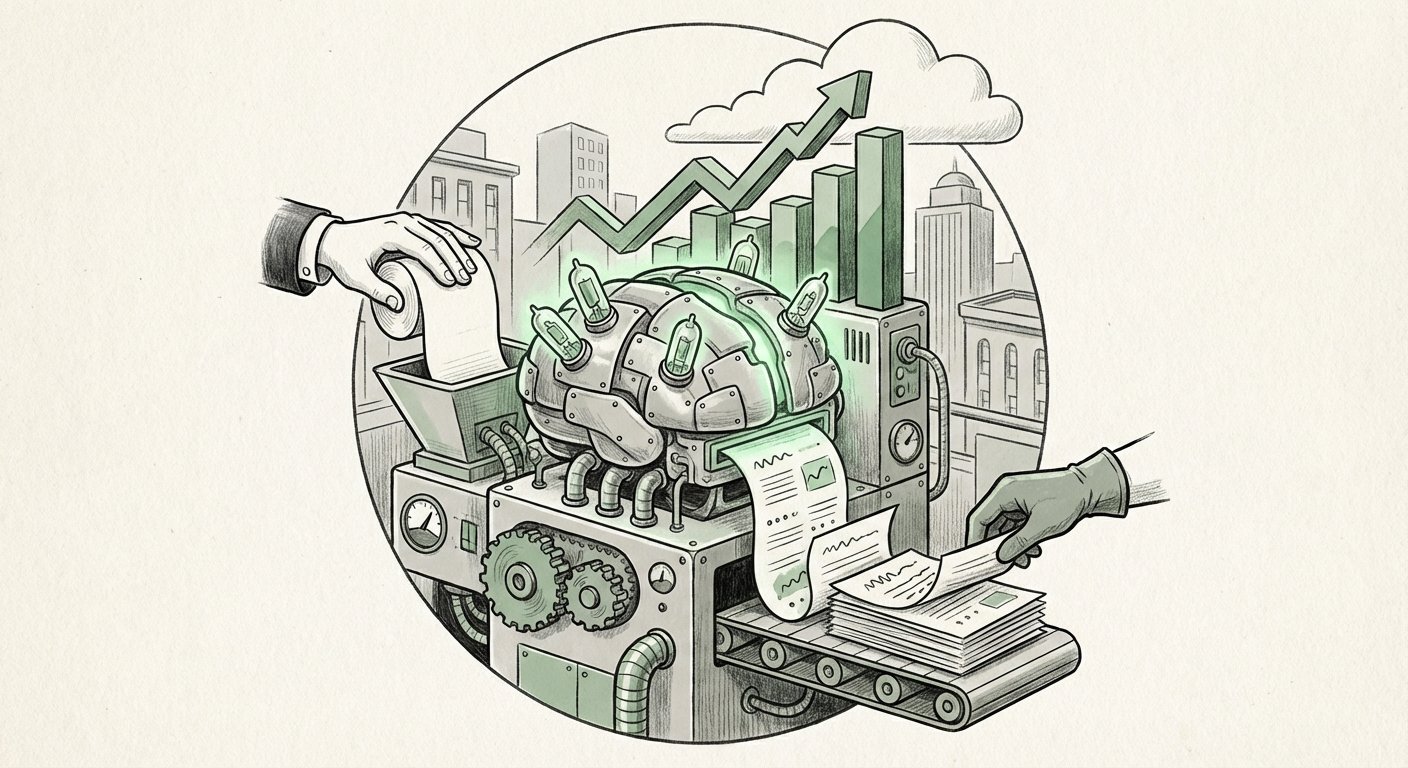
Each of these sounds small. Together they change how people actually use a camera. The device stops being a recording machine and starts being something closer to a filter. That filter is the real product.
Practical Steps to Get More Protection Today
Here is where setup matters. Most of these steps take minutes and cost nothing.
1. Tune your motion zones
The default zones are too broad. Draw them tightly around your walkway, driveway, and doors. Leave out the sidewalk, the street, and the trees. Fewer, better alerts mean you will actually look when one arrives. That single change does more for real-world safety than any new hardware.
2. Set your alert categories on purpose
If your camera can tell people from vehicles, turn off the categories that only annoy you. Keep the ones that matter. A calm, quiet phone is a phone you trust.
3. Fix the light, then fix the picture
Night footage is only as good as the light available. A porch light, a path light, or a well-placed motion light often improves what the camera can see more than any software update. Check your overnight clips once a month. If you cannot identify a face or a license plate, neither can an investigator.
4. Point the camera at the choke point
Doors and driveways. Not the whole yard. Cameras that cover a narrow, high-traffic area capture better detail than cameras trying to watch everything at once.
5. Lock down the account
Enable two-factor authentication. Use a strong, unique password. Share access carefully. A camera account is a window into your home, and it deserves the same care as a bank login.
6. Keep the software current
Firmware updates matter because much of the intelligence lives in software now. An out-of-date camera is a smarter target and a dumber defender.
7. Know what your plan covers
Storage and advanced features usually sit behind a subscription tier. Read what yours includes before an incident happens, not after. Know how far back your history goes and whether you can export a clip quickly when you need to hand it to police or a neighbor.
8. Test the whole chain
Walk in front of the camera. Wait for the alert. Confirm the clip saved. Confirm the recording plays. Do this once a season. A system you have never tested is a system you are guessing about.
What This Means for the Future of AI
Home cameras are a preview of something much bigger. They are one of the first places where ordinary people meet an AI that makes decisions on their behalf, in real time, about their physical safety.
That has three implications worth understanding.
False alarms become the main design problem
Accuracy is not enough. An AI that is 99% correct and fires fifty times a day is useless. The winning systems will be the ones that understand context, that the delivery truck at 10 a.m. is normal and the person testing a door handle at 3 a.m. is not. Context is the next frontier, and it will decide which companies win.
Every camera becomes a query engine
Once video can be searched with plain language, the value shifts from storage to retrieval. People will not pay for gigabytes. They will pay to find the one clip that matters in under ten seconds.
Small models move to the edge
Nobody wants to upload every second of their yard to a data center. Expect more processing to happen on the device itself. That is faster, cheaper, and far better for privacy, and it is where the hardware industry is heading.
What It Means for Businesses
The same pattern is playing out in offices, warehouses, and retail stores. Cameras that once only recorded are becoming sensors that classify. That unlocks real value: counting how many people wait in a line, spotting a blocked fire exit, flagging a spill before someone slips.
But it also creates risk. A camera system that can read and describe events is a system that needs clear rules. Businesses adopting this technology should do three things early:
- Write down what the system is for. Safety and security are legitimate. Quietly watching staff performance is a different conversation, one that belongs in policy, not in a settings menu.
- Limit retention. Keep video only as long as you actually need it.
- Log access. Know who can view footage and when. Most incidents involving misuse of these systems are insider problems, not hacker problems.
Privacy Is Not the Enemy of Security
There is a common assumption that you must trade privacy for safety. In practice, the trade is usually poorly made. A camera pointed at your own front door protects you. A camera pointed at a neighbor's living room does not, and it puts you at risk of a complaint or worse.
Good privacy settings, tight zones, limited sharing, short retention, two-factor authentication, also happen to be good security settings. The two goals line up more often than people expect.
Actionable Checklist
- Draw tight motion zones around doors and driveways.
- Turn off alert types you do not need.
- Add or improve outdoor lighting; check night footage monthly.
- Enable two-factor authentication and a unique password.
- Install firmware updates as they arrive.
- Confirm exactly what your subscription covers, and how far back history goes.
- Run a live test every season.
- Talk to your household about who has access and what gets shared.
The Bigger Picture
A Ring camera is a small thing. But it sits at the intersection of two trends that will define the next decade: sensors everywhere, and AI that interprets what those sensors see.
The lesson from a well-configured front door setup travels well. More data does not automatically mean more safety. The value comes from filtering, from teaching the system what matters and ignoring the rest. That is true of a porch camera, a warehouse floor, and the next generation of AI assistants that will watch over far more than a driveway.
The people who get the most protection from these systems will not be the ones who buy the most cameras. They will be the ones who spend twenty minutes making the one they have actually work.