Red Hat and Microsoft Bring OpenShift Virtual Machines to Azure: What It Means for Hybrid Cloud and the Future of AI
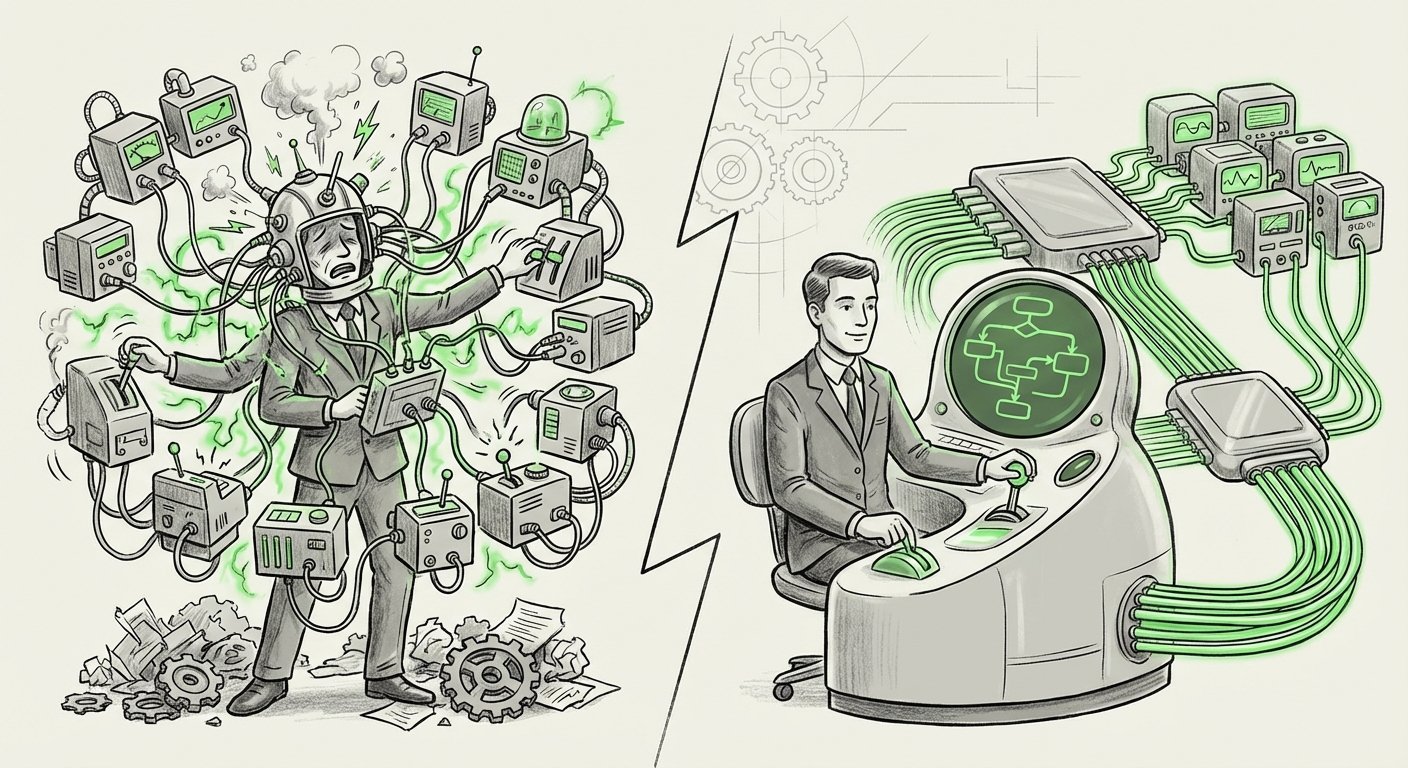
For years, big companies have run two kinds of computing side by side. One is the old style: virtual machines, each one a sealed box running a single operating system and application. The other is the new style: containers, packed with software and managed by Kubernetes, the system that keeps them running and moving. Most large organizations have both. And most of them have quietly wished the two worlds would stop living in separate buildings.
In November 2026, that wish got a lot closer to coming true. Red Hat and Microsoft are bringing OpenShift virtual machines to Azure. In plain terms: workloads that used to need their own dedicated virtualization platform can now run on Microsoft's cloud, inside Red Hat's Kubernetes-based platform, under one way of doing things.
That may sound like plumbing. It is not. It is one of the clearest signals yet about where enterprise computing is heading, and it has real consequences for how artificial intelligence gets built, deployed, and paid for over the next decade.
What Is Actually Being Announced
Red Hat OpenShift is a platform built on Kubernetes. Its job is to run and manage containerized applications. Over time, OpenShift gained the ability to run virtual machines too, not just containers. That matters because many of the most important systems in a large company are still virtual machines: old databases, finance systems, industry-specific software, and custom-built tools that nobody wants to rewrite.
The new arrangement extends that ability into Azure. Companies that already use OpenShift can run their virtual machine workloads on Microsoft's cloud instead of keeping them locked to a private data center or to a separate virtualization product. The same platform, the same tooling, the same operational habits, just with Azure as the place where the machines actually run.
Three things make this more than a checkbox feature:
- One control plane for two worlds. Teams manage containers and virtual machines through a single platform instead of juggling two separate estates with two sets of skills.
- Choice of location. The same OpenShift environment can stretch from on-premises data centers into Azure, so workloads can sit where they make the most sense.
- Less painful migration. Older applications get a path to the cloud without being rebuilt from scratch first. That removes one of the biggest blockers to cloud adoption in regulated and long-established industries.
The Bigger Trend: Virtualization and Containers Are Merging
For about a decade, the technology industry told companies a story: containers are the future, virtual machines are the past. Reality turned out messier. Virtual machines did not disappear. They just became the quiet foundation under everything else, and a very large share of enterprise software still depends on them.
What we are watching now is a correction. Instead of forcing a choice between "old" and "new," the platform vendors are stitching them together. Kubernetes becomes the universal manager. Virtual machines become just another kind of workload it runs. The distinction stops being a religious war and becomes a scheduling detail.
This is a genuinely important shift, and it is happening across the industry, not just in this one partnership. The direction of travel is clear: the management layer wins, and the underlying hardware becomes interchangeable.
Why Microsoft and Red Hat Would Do This
Microsoft's interest is straightforward. Azure grows when more enterprise workloads land on it. The stubborn leftovers, the virtual machines nobody can easily move, are a huge untapped pool. Make it easy to bring those over, and Azure captures spending that would otherwise stay in private data centers.
Red Hat's interest is equally clear. OpenShift becomes more valuable when it can run a larger share of a customer's estate. Being able to say "yes, we run your virtual machines, including on Azure" makes OpenShift a stronger standard inside large organizations. It turns the platform from a container tool into a general-purpose operating layer for the enterprise.
Both companies benefit from the same underlying idea: customers want consistency far more than they want novelty.
What This Means for the Future of AI
At first glance, virtual machines and AI do not seem connected. AI is about models, GPUs, and data. Virtualization is about operating systems and servers. But the connection is deep, and it runs through three channels.
1. AI Has to Reach the Systems of Record
The most valuable AI systems are not chatbots answering general questions. They are systems that act on real business data: updating a claim, flagging a transaction, drafting a service ticket, adjusting an order. That data almost always lives in older applications, and those older applications very often run on virtual machines.
When the AI layer and the legacy layer sit on different platforms with different teams, every integration becomes a project. When they share a platform, an AI agent can call into the systems of record with far less friction. Bringing virtual machines onto the same platform as containers is, in effect, bringing AI closer to the data it needs.
2. Hybrid Placement Becomes the Default for AI Workloads
AI workloads are unusually fussy about location. Training a large model wants dense, expensive compute in one place. Serving it to users wants to be near the users. Handling sensitive data wants to be near the data, often inside a company's own walls. And cost pressure keeps pushing different parts of the pipeline to different places.
That is a hybrid problem by nature. A platform that lets the same operational model run on-premises and in Azure, with virtual machines and containers both supported, gives AI teams room to move pieces around as needs change. The alternative is rebuilding the plumbing each time a workload moves. That is exactly what most companies cannot afford.
3. AI Agents Need Ordinary, Boring Infrastructure
Much of the AI conversation focuses on models. But the hard part of putting AI into production is everything around the model: access control, logging, networking, secrets, patching, rollback, and cost tracking. These are unglamorous platform functions, and they are exactly what a Kubernetes-based system like OpenShift is designed to provide.
As more companies move from AI experiments to AI systems that quietly run every day, the value shifts from model novelty to operational reliability. The vendors that win will be the ones whose platforms can host AI services alongside everything else the business runs. This announcement points in that direction.
Practical Implications for Businesses
For leaders deciding where to spend, a few practical consequences stand out.
Vendor Lock-In Moves Up a Layer
When workloads are tied to a specific hypervisor or a specific cloud, switching is painful. When they run on a portable platform that supports both containers and virtual machines across locations, switching gets somewhat easier. But note the caveat: lock-in does not vanish, it moves up to the platform layer. The question changes from "which cloud are we stuck with?" to "how portable is our platform, really?"
That is a better question to be asking, but it still needs a real answer.
Skills Become More Reusable
Teams that learn one operational model can handle more of the estate. Instead of separate groups for virtualization and containers, organizations can consolidate. This matters enormously in a market where skilled infrastructure and platform engineers are hard to hire and expensive to keep.
Migration Gets Cheaper, But Not Free
Run-on-Azure capability lowers the barrier for moving legacy virtual machines to the cloud. It does not remove the work. Network design, identity, data gravity, licensing terms, and application dependencies all still need attention. Treat the announcement as a shorter path, not a free one.
Actionable Insights
If you run infrastructure for a mid-sized or large organization, here is a sensible sequence.
- Inventory before you move. List which virtual machine workloads exist, who owns them, and how they talk to each other. You cannot plan a migration you cannot see.
- Pick a pilot that is boring. Choose a low-risk internal workload first. Prove the operating model, access, monitoring, backup, cost reporting, before touching anything critical.
- Model the full cost. Cloud pricing is usage-based, and always-on virtual machines can produce surprising bills. Compare on-premises costs, cloud costs, licensing, and outbound data charges side by side.
- Test your exit before you enter. Write down what it would take to move a workload back out. If the answer is "we can't," that is important information.
- Train the team on the platform, not the product. Kubernetes-based operations, policy as code, and infrastructure automation are skills that transfer. Vendor-specific clicks do not.
- Plan AI and legacy together. If AI is on your roadmap, decide early where it will run relative to your systems of record. Co-locating them on one platform saves years of integration work.
The Risks Worth Watching
No platform consolidation is free of trade-offs. Virtual machines running inside a container platform still carry the overhead of the platform itself, and performance-sensitive workloads need careful testing. Operational complexity can go up before it goes down, because for a while a team may be running two systems at once. Cost control requires discipline, since cloud spending is elastic by design.
There is also a governance question. Centralizing more workloads on one platform increases the value of that platform and the damage if it is misconfigured or compromised. Strong identity, policy, and access controls stop being nice-to-haves and become the load-bearing walls.
The Bigger Picture
The most telling thing about this announcement is what it says about the industry's priorities. Nobody is arguing anymore about whether containers will replace virtual machines. The argument is over who controls the layer that manages both.
That layer matters because of what will sit on top of it. In a few years, most business software will have some AI component, and most AI systems will need to read and write to systems that were built long before anyone said the word "agent." The companies that make those two worlds easy to run together will own a lot of the enterprise stack.
For everyone else, the message is simpler. The cloud decision is no longer really about which cloud. It is about how portable and consistent your operating model is across all the places your software lives. Platforms that erase the boundary between virtual machines and containers, and between your data center and Azure, are betting that consistency is the product. It usually is.