CodeAgents + Structure: How to Make AI Agents Execute Actions Safely and Reliably
AI agents that can write and run code are changing how work gets done. These tools, often called CodeAgents, can automate tasks like data processing, software testing, and system updates. But giving an AI the power to execute actions comes with big risks. A single mistake can break a system, leak data, or cause financial loss. That is why a new approach is gaining attention: combining CodeAgents with structure. This idea pairs the flexibility of AI-generated code with the safety of predefined rules and checkpoints. The result is a better way to execute actions, one that businesses can trust.
The Promise and Peril of CodeAgents
CodeAgents are AI models that can understand a goal, write code to achieve it, and then run that code. For example, you might ask an agent to “clean up the customer database” or “run the weekly sales report.” The agent writes the necessary script and executes it. This is powerful because it removes the need for a human to write every line of code. It speeds up routine work and lets non-programmers automate tasks.
But without guardrails, CodeAgents can go off track. They might write code that accidentally deletes important files. They might use insecure methods. They might get stuck in loops or misinterpret instructions. In open-ended environments, the same flexibility that makes them useful also makes them unpredictable. For a business, that unpredictability is a dealbreaker for any serious automation.
What “Structure” Adds to the Mix
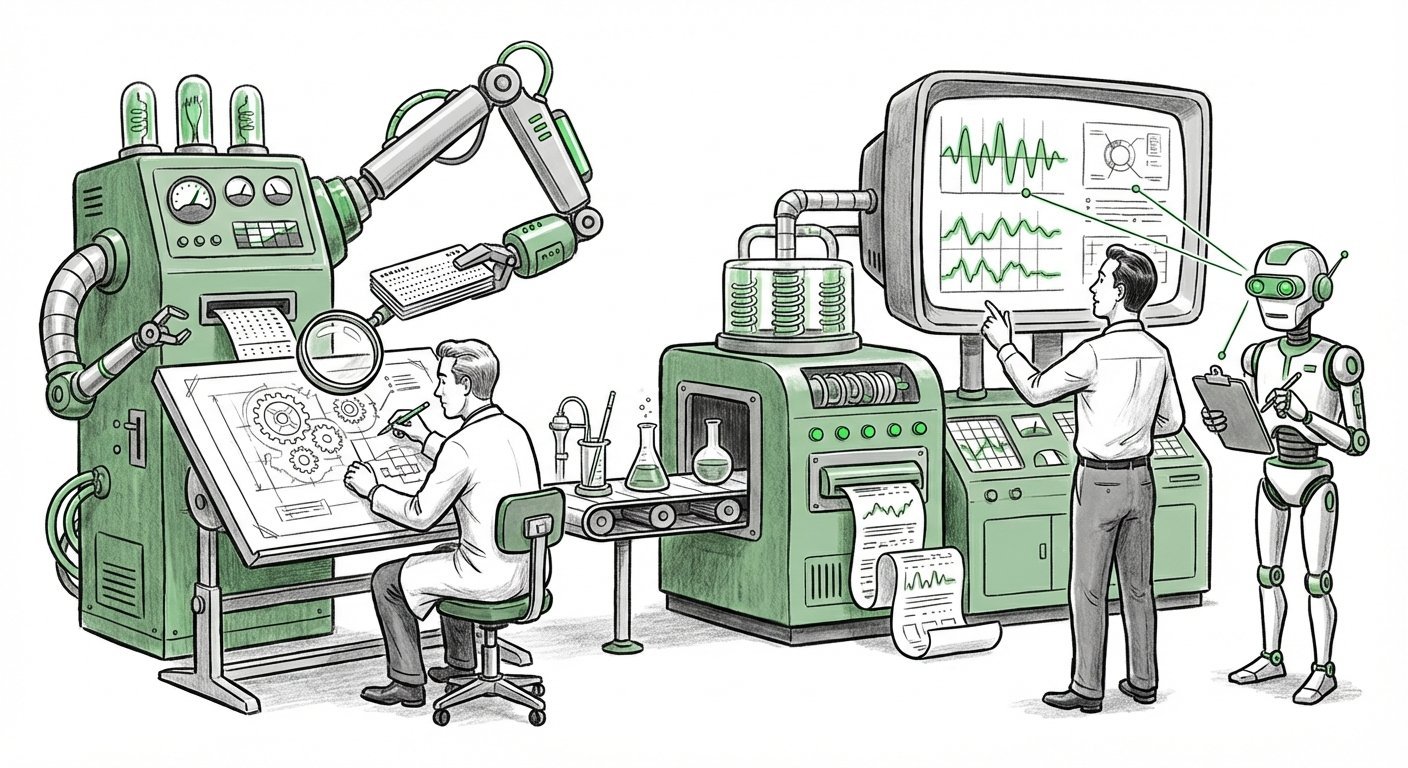
Structure means giving the CodeAgent a framework to work within. Instead of letting the AI freely write and run any code, you define clear steps, boundaries, and checks. Think of it like a factory assembly line: the AI is the worker, but the line has stations, quality checks, and emergency stops.
In practice, structure can take several forms:
- Sandboxed execution: The code runs in an isolated environment with limited permissions. If something goes wrong, it cannot affect the main system.
- Predefined templates and patterns: The agent must use approved code snippets or follow a set workflow for common tasks. This reduces errors and makes the output predictable.
- Validation checks: After the agent writes code, automated tests or rules check that it does what it is supposed to do, and nothing else.
- Human-in-the-loop approvals: For high-stakes actions, a person reviews and approves the code before it runs.
- Audit logs: Every action and decision is recorded, so you can trace what happened and why.
These elements turn a wild, creative AI into a reliable tool. The agent still does the heavy lifting, but structure keeps it on the rails.
Why This Matters for Businesses
For companies, the combination of CodeAgents and structure opens the door to safe automation at scale. Here is what that means in practical terms:
1. Automation You Can Trust
Businesses have long wanted to automate repetitive tasks. But traditional automation (like robotic process automation) is brittle, it breaks when something changes. CodeAgents can adapt to changes because they write code on the fly. With structure, you get that adaptability without the chaos. You can automate complex processes like invoice processing, data migration, or IT helpdesk tickets, knowing that the agent will not step outside its lane.
2. Lower Risk and Better Compliance
Regulated industries need to prove that actions are controlled and auditable. Structured CodeAgents provide that proof. Every action is logged, every code change is reviewed, and every execution is checked. This makes it easier to meet standards like data privacy laws or financial controls.
3. Faster Development and Testing
Software teams can use CodeAgents to write and run tests, fix bugs, or deploy updates. With structure, these agents can work inside a continuous integration pipeline, automatically checking their own work before anything reaches production. This speeds up development while reducing the risk of bad code.
4. Empowering Non-Technical Staff
When a structured framework is in place, even employees without coding skills can ask an agent to perform technical tasks. The structure ensures the output is safe and correct. This democratizes automation and lets more people contribute to efficiency gains.
How Structured CodeAgents Work in Practice
Imagine a company that wants to automate the monthly close of its financial books. A structured CodeAgent might work like this:
- The agent receives the task: “Reconcile all accounts and produce a summary report.”
- It generates code to pull data from the accounting system, but only from approved, read-only tables.
- The code runs in a sandbox. Any attempt to write to the database is blocked.
- After the report is generated, a validation script checks that totals match and all accounts are included.
- If the checks pass, a human reviewer approves the report. If they fail, the agent gets feedback and tries again.
- The entire process is logged for audit.
This loop, generate, execute, validate, approve, is the heart of structured CodeAgents. It turns a one-shot AI action into a controlled process.
The Future of AI Execution
As AI models get better at writing code, the role of structure will only grow. We are moving toward a world where AI agents handle more and more of the digital work that keeps businesses running. But that future depends on trust. Without structure, a few high-profile failures could set the field back. With structure, we can safely unlock the productivity gains.
Looking ahead, expect to see:
- Standardized frameworks for structuring CodeAgents, similar to how we have frameworks for web development.
- More autonomous agents that can handle multi-step workflows, but always within predefined boundaries.
- New job roles focused on designing and auditing the structures that keep agents safe.
- Self-improving agents that learn from validation failures to write better code next time.
The ultimate goal is not to remove humans from the loop, but to put them in the right places, setting policy, reviewing edge cases, and improving the system.
Actionable Insights for Adopting Structured CodeAgents
If you are exploring CodeAgents for your organization, here is how to start:
- Begin with low-risk tasks. Automate internal reports or data cleanups before touching customer-facing systems.
- Build a sandbox. Set up an isolated environment where agents can run code without affecting production.
- Define clear success criteria. Write down what “done” looks like for each task, and create automated checks.
- Use human-in-the-loop for high-stakes actions. Require approval for anything that changes money, customer data, or critical infrastructure.
- Log everything. Keep detailed records of what the agent did, what code it wrote, and what decisions it made.
- Start small and iterate. Treat structured CodeAgents as a pilot project. Learn from failures and expand gradually.
Conclusion: Structure Unlocks Safe Speed
CodeAgents offer a glimpse of a future where AI can take action, not just give advice. But raw power is not enough. Structure is what turns that power into a reliable tool. By combining the intelligence of AI with the discipline of predefined workflows, we can execute actions faster, safer, and at lower cost. For businesses, the message is clear: do not choose between innovation and control, use structure to get both. The future of AI execution will belong to those who master this balance.