Predictive Human Preference and Model Routing: The Next Big Shift in AI
For years, the AI world has been obsessed with a simple question: Which model is best? Leaderboards rank models by human preference. Teams compare scores. Buyers pick the top name. But a quiet shift is changing that question. Instead of asking which model wins overall, a new approach asks: Which model will this person prefer for this task, right now?
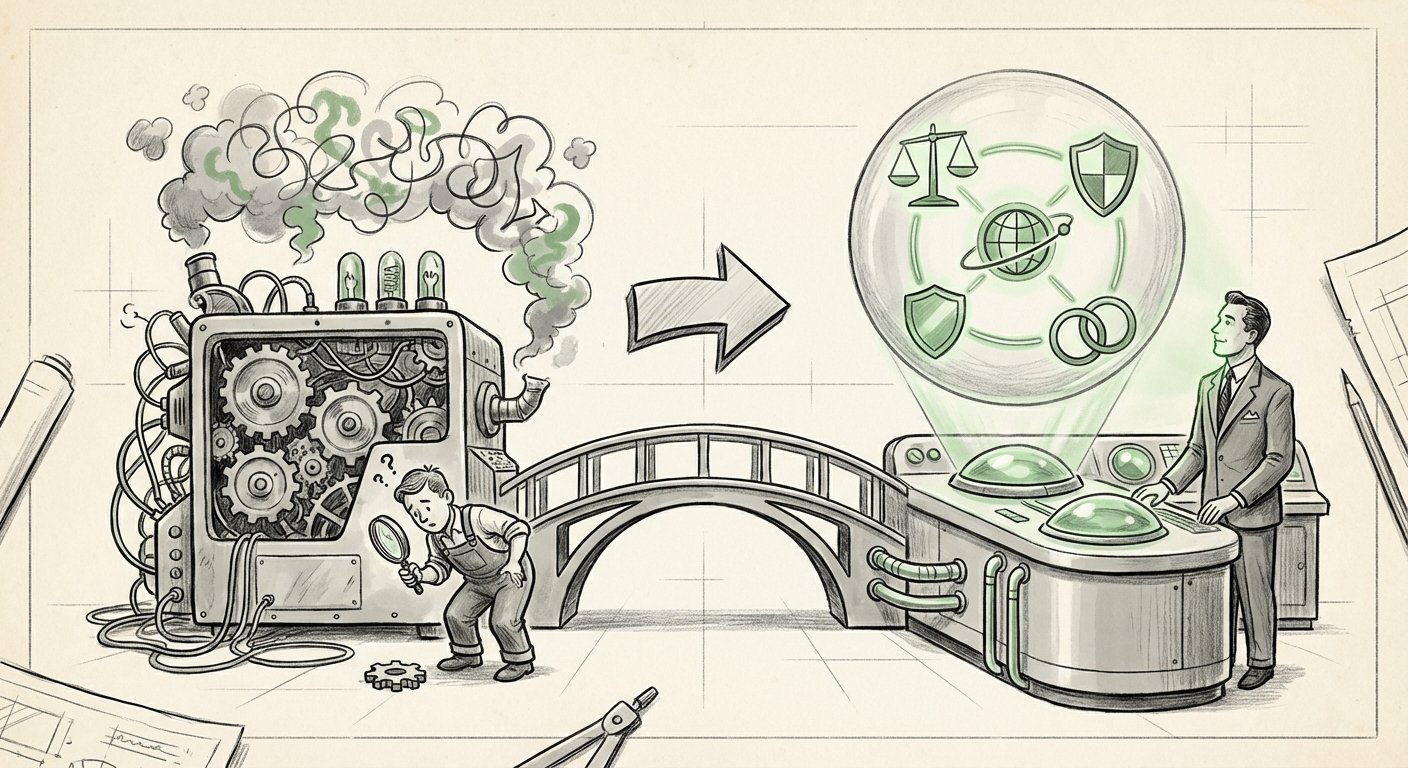
That shift is the move from model ranking to model routing. It sounds technical, but the idea is simple. Ranking is like naming one “best restaurant” for a whole city. Routing is like matching each diner to the right restaurant for their mood, budget, and taste. In AI, this means predicting human preference at the individual request level and sending each request to the model most likely to satisfy it.
This is more than a product feature. It changes how AI systems are built, how businesses buy AI, how model providers compete, and how society experiences AI quality. The future of AI may not be one giant model to rule them all. It may be a smart layer that chooses among many models based on predicted human preference.
Why Model Ranking Was Never Enough
Human preference has become a key way to judge AI output. People compare two answers and pick the better one. Those votes feed into rankings. The logic is appealing: if enough humans prefer a model’s answers, it must be good. But a single ranking hides a lot of nuance.
One model may be great at creative writing but weak at math. Another may be careful and factual but dry. A third may be fast and cheap but less accurate. A fourth may handle long documents well but struggle with short, casual questions. A global score averages these differences into one number. That number can mislead.
Human preference is also context-dependent. A customer support answer needs empathy and policy accuracy. A coding answer needs correctness and security. A marketing draft needs brand voice. A medical question needs caution and clear limits. The “best” model depends on the job, the user, the risk level, and the budget.
Ranking also creates a winner-take-all mindset. Buyers flock to the top model. Providers chase general-purpose wins. But in real products, teams often discover that a mix of models works better than any single model. The problem is managing that mix without adding chaos. That is where predictive preference and routing come in.
What Predictive Human Preference Actually Means
Predictive human preference is the idea that you can estimate, before a user sees an answer, how much that user is likely to prefer it. This is not about reading minds. It is about learning patterns from past choices. When users pick answer A over answer B, or rate a response highly, or edit an answer heavily, those signals reveal preferences.
With enough of those signals, a system can build a preference model. That model can look at a new request and predict which available AI model would produce the most satisfying result. It can weigh correctness, tone, speed, cost, safety, and style. It can also learn that different groups of users have different tastes.
The key move is from after-the-fact ranking to before-the-fact prediction. Instead of publishing a static leaderboard and hoping it applies to every use case, you build a live system that predicts preference for each request. That prediction then drives a routing decision.
A Simple Example
Imagine a company uses AI to answer customer emails. A ranking might say Model X is best overall. But routing might learn something more useful:
- Angry customer emails go to a model that is strong at empathy and de-escalation.
- Refund policy questions go to a model with tight access to policy documents.
- Short thank-you notes go to a fast, low-cost model.
- Legal-risk messages go to a cautious model with human review.
The router does not need to be perfect. It just needs to be better than sending every request to the same model. Small improvements in matching can create large gains in satisfaction, cost, and speed.
From Ranking to Routing: The Architecture Shift
Model routing is the practice of sending each AI request to the best model or combination of models for that request. A router can be simple or advanced. A simple router might use rules: “If the prompt contains code, use the coding model.” A more advanced router uses a predictive preference model and a policy engine.
A typical routing layer might look at several signals:
- Task type: Is this summarization, coding, math, creative writing, or customer support?
- User context: What has this user preferred before? What language do they use? What tone do they expect?
- Risk level: Is this a low-stakes draft or a high-stakes decision?
- Budget and latency: How much can this request cost? How fast must it respond?
- Model availability: Which models are online, within quota, and performing well today?
The router then chooses one model, a cascade of models, or an ensemble. A cascade might try a cheap model first and escalate to a stronger model only if confidence is low. An ensemble might combine answers and pick the best. The system logs the outcome and learns from it.
This turns AI from a single product into an orchestrated portfolio. The value moves from “owning the best model” to “making the best match.” That is a big change for the industry.
Why This Matters for the Future of AI
The shift from ranking to routing points to several trends that will shape the next wave of AI.
1. Model Portfolios Replace Single-Model Loyalty
Most companies will not rely on one AI model for everything. They will use a portfolio: a premium model for hard problems, a fast model for simple tasks, a specialized model for domain work, and a safety model for risky content. Routing makes this portfolio usable.
This is similar to cloud computing. Few companies use one server type for every workload. They use different compute, storage, and database options. AI is moving in the same direction. The winning platforms will make it easy to mix models without rebuilding the product each time.
2. Human Preference Data Becomes a Strategic Asset
If preference prediction drives routing, then preference data becomes valuable. Companies that collect clean signals about what their users actually prefer will have an advantage. That data is not just star ratings. It includes edits, accepted suggestions, abandoned answers, follow-up questions, and time spent.
This creates a new kind of moat. A competitor can rent the same models. It cannot easily copy years of preference data from your users. The lesson for businesses is clear: treat preference data like product telemetry, not like a side effect.
3. Evaluation Moves From Static Benchmarks to Live Systems
Static benchmarks still matter, but they are not enough. Routing requires live evaluation. The system must know if a model is drifting, if a provider changed something, or if user expectations shifted. It must track quality by task, segment, and risk level.
This makes AI evaluation a continuous operation, not a one-time test. Teams will need dashboards, feedback loops, and human review. The companies that master this will ship better AI with fewer surprises.
4. Cost and Quality Become a Dial, Not a Guess
One of the most practical benefits of routing is cost control. Not every request needs the most expensive model. Many can be handled by a cheaper one with little loss in quality. A router can enforce budgets while protecting high-value interactions.
This turns cost and quality into a dial. A business can say, “For this customer segment, spend more on quality.” Or, “For this internal tool, keep costs low.” Routing makes those choices explicit instead of accidental.
5. Safety and Compliance Get Built Into the Path
Routing is also a safety tool. Sensitive requests can be sent to models with stronger guardrails. High-stakes domains can require human review. Regulated industries can keep data in approved regions or providers. Instead of hoping one model handles everything safely, the system enforces policy at the routing layer.
This is important because AI safety is not only about model behavior. It is also about where requests go, what data they touch, and who reviews the output. Routing makes those decisions visible and testable.
Practical Implications for Businesses
For business leaders, the message is not “build a router tomorrow.” It is “start preparing for a multi-model world.” Here are the practical steps that matter most.
Build a Task Taxonomy
You cannot route what you cannot describe. Start by listing the real jobs your AI does. Group them by task type, risk, and user segment. A customer support bot has different routing needs than an internal research assistant. A coding copilot has different needs than a marketing writer.
Collect the Right Preference Signals
Most teams collect too little feedback or the wrong kind. A thumbs-up is nice, but an edit is richer. A follow-up question can signal confusion. A copied answer can signal success. Design your product to capture lightweight signals that reveal preference without annoying users.
Start With a Simple Router
You do not need a complex AI system to begin. A rules-based router can deliver value fast. For example: route code questions to a model with strong coding performance, route long documents to a model with a large context window, and route low-risk chat to a cheaper model. Then measure results and improve.
Track the Full Triangle: Quality, Cost, and Latency
A router that improves quality but doubles cost may not be a win. A router that cuts cost but frustrates users may be worse. Track all three together. Use experiments to find the best tradeoff for each use case.
Prepare for Vendor Complexity
Multi-model strategies mean more contracts, more APIs, and more monitoring. Buyers should ask for flexible access, clear rate limits, and predictable pricing. They should also avoid lock-in that makes routing impractical. The ability to switch models is a negotiating advantage.
Keep Humans in the Loop for High-Stakes Work
Preference prediction is not a substitute for accountability. In health, finance, legal, and safety-critical work, routing should support human review, not replace it. The router can flag uncertainty, but a person should own the final decision.
The Risks Nobody Should Ignore
Routing and predictive preference are powerful, but they are not automatically good. Several risks deserve attention.
Preference can be shallow. Users may prefer answers that are confident, fluent, or flattering even when they are wrong. If the router optimizes for clicks or smiles, it may learn to serve pleasing answers instead of accurate ones. Teams need quality metrics that go beyond satisfaction.
Bias can be baked in. If past preference data favors certain tones, languages, or styles, the router may perpetuate those patterns. That can disadvantage users who communicate differently. Regular audits and diverse evaluation data are essential.
Complexity can hide failures. A multi-model system is harder to debug than a single model. When something goes wrong, teams need clear logs that show which model was chosen, why, and what happened. Without that, trust erodes.
Privacy needs care. Routing often uses user history to predict preference. That history can be sensitive. Companies must be transparent about what they collect and how it shapes the experience.
What Comes Next
The move from ranking to routing is likely to accelerate. As more models become available, no single model will dominate every task. Buyers will demand flexibility. Providers will compete on specialized strengths. Platforms will compete on orchestration.
In the near future, the most valuable AI companies may not be the ones with the single best model. They may be the ones with the best matching layer: the system that knows which model to use, for whom, under what constraints, and with what safeguards. That layer will need preference prediction, policy control, and continuous evaluation.
For society, this could be a good thing. Routing can make AI more affordable, more responsive, and safer for specific contexts. It can let small businesses use premium AI only when it matters. It can let regulated industries adopt AI with stronger controls. But it also requires new literacy. Users and buyers will need to ask not just “How good is this model?” but “How well does this system match models to my needs?”
The old leaderboard asked for a champion. The new routing layer asks for a matchmaker. That is the future of AI: not one model to rule them all, but many models chosen well.