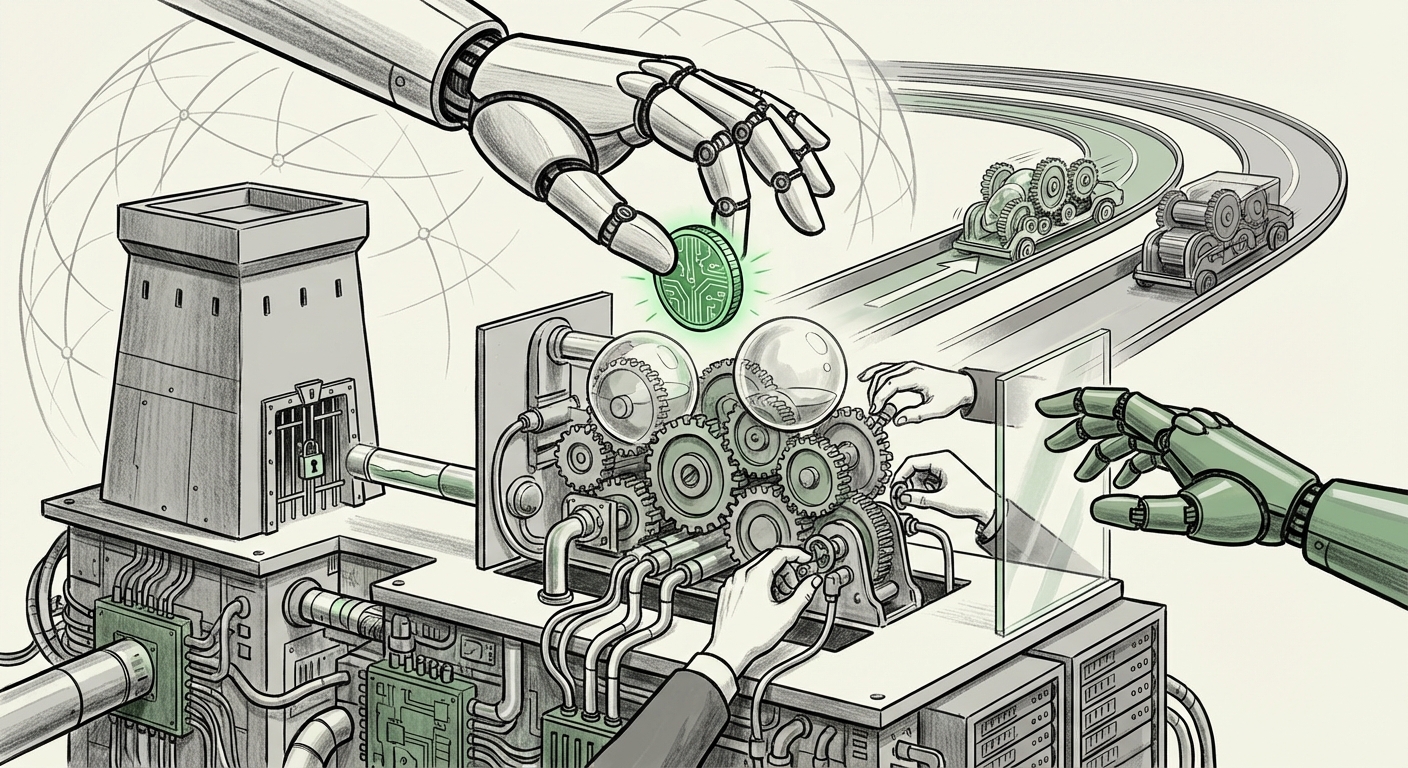
Microsoft Ousts Its Israel Chief: What This Means for the Future of AI in Military Targeting
In a dramatic turn of events, Microsoft has ousted its Israel chief following reports that its Azure cloud platform quietly powered military AI targeting systems used in Gaza. Published on May 12, 2026, this story from the-decoder.com highlights a critical moment in the evolution of artificial intelligence. As AI technology becomes more powerful, its use in warfare raises urgent questions about ethics, accountability, and the future of how AI will be used. This article explores what this development means for businesses, societies, and the trajectory of artificial intelligence itself.
The Story: Microsoft, Azure, and Military AI
According to the primary source, reports emerged that Microsoft's Azure cloud services were quietly used to support military AI targeting in Gaza. The revelation led to the ousting of Microsoft's Israel chief. While the company has not publicly detailed all the reasons for the leadership change, the timing strongly links to these allegations. This event is not isolated—it reflects a broader trend where major technology companies face growing scrutiny over how their AI capabilities are deployed in conflict zones.
Azure is one of the world's leading cloud computing platforms, offering powerful AI tools, data storage, and machine learning services. Military organizations have long sought to leverage such technologies for surveillance, targeting, and strategic decision-making. The key issue here is not just that AI is being used in military contexts, but that it may have been used without adequate oversight or transparency. The ousting of a senior executive signals that Microsoft is taking the matter seriously, but it also raises questions about how AI will be governed in the future.
What This Means for the Future of AI
The future of AI will be shaped by the tension between its immense potential and its profound risks. The Microsoft-Azure military AI story is a case study in this dynamic. Here are the key takeaways for what this means for AI moving forward:
1. AI in Warfare Will Become a Defining Issue
Military applications of AI are not new, but the scale and capability of modern AI systems have changed the game. Azure-powered targeting systems can process vast amounts of data from drones, satellites, and other sensors to identify targets faster than any human. This speed and accuracy can reduce collateral damage in theory, but it also raises the risk of mistakes, bias, and lack of accountability. The Microsoft incident shows that these issues are now front and center. Expect more debates about bans on autonomous weapons, stricter export controls, and international treaties governing AI in warfare.
2. Corporate Accountability Will Tighten
Technology companies have long argued that their platforms are neutral tools, but events like this challenge that narrative. When a cloud service like Azure is used for military targeting, the company providing the infrastructure is complicit, whether it intended to be or not. The ousting of Microsoft's Israel chief is a strong signal that companies will be held responsible for how their AI is used. In the future, AI providers will need to implement stricter usage policies, conduct regular audits, and potentially refuse contracts with military clients that do not meet ethical standards. This will force businesses to choose between profit and principles.
3. Transparency Will Become a Competitive Advantage
Currently, much of how AI is used in military applications is hidden from public view. The Microsoft threat from the reports—that Azure quietly powered targeting systems—suggests a lack of transparency that can erode trust. In the future, companies that are open about their AI deployments, including military contracts, may gain a competitive edge. Customers, employees, and investors are increasingly demanding ethical AI practices. Transparency will not just be a nice-to-have; it will be a business necessity. This means clear public statements, independent oversight, and mechanisms for whistleblowers to report misuse.
4. Regulation Will Accelerate
Governments around the world are already working on AI regulations, from the European Union's AI Act to various U.S. executive orders. The Microsoft-Azure incident will likely accelerate these efforts. Expect stricter rules around the export of AI technology, particularly for surveillance and targeting. There may also be new requirements for cloud providers to vet their customers and monitor how their services are used. For businesses, this means compliance costs will rise, but it also creates opportunities for companies that can navigate the regulatory landscape effectively.
Practical Implications for Businesses and Society
Businesses and society at large need to understand the implications of this story. Here are actionable insights:
- For Businesses: Review your AI usage policies and supply chains. If your company provides cloud services, AI tools, or data analytics, you need to know who uses them and for what purpose. Implement controls to prevent misuse. Educate your teams on ethical AI principles and establish clear escalation procedures. Consider creating an AI ethics board or hiring a chief AI ethics officer to oversee these issues.
- For Society: Demand transparency from technology companies. Support advocacy groups that push for accountability and ethical AI. Stay informed about how AI is being used in your country's military. Participate in public consultations on AI regulation. The more people understand these issues, the harder it will be for misuse to go unnoticed.
- For Investors: Factor AI ethics into your investment decisions. Companies that ignore these risks may face reputational damage, legal challenges, and revenue loss. Conversely, companies that lead on ethical AI may attract more business from governments and corporations that prioritize responsible technology.
The Bigger Picture: AI as a Dual-Use Technology
AI is what experts call a "dual-use" technology—it can be used for good or for harm. The same machine learning algorithms that help doctors diagnose diseases can also be used to target military strikes. The Microsoft story exemplifies this dilemma. Azure's AI capabilities are not inherently evil; they can revolutionize logistics, disaster response, and healthcare. But when they are applied to warfare without proper safeguards, the consequences can be severe.
The future of AI will depend on how society manages this dual-use nature. It is not enough to develop powerful AI systems; we must also create robust frameworks to ensure they are used ethically. This includes international cooperation, corporate governance, and public-awareness campaigns. The Microsoft incident is a wake-up call that these frameworks are not yet strong enough.
What Can Be Done Now?
First, companies like Microsoft should accelerate their efforts to implement "human-in-the-loop" systems for any AI used in military targeting. This means that automated decisions are always reviewed by a human operator, reducing the risk of catastrophic errors. Second, governments should fund research into AI safety and accountability, including methods to track how AI systems are used. Third, industry standards should be developed to ensure that cloud platforms are not secretly repurposed for harmful military applications.
The ousting of Microsoft's Israel chief is a step in the right direction, but it is only one step. The real test will be whether Microsoft and other companies take concrete actions to prevent future misuse. If they do, AI can still fulfill its promise as a transformative technology for good. If they do not, the backlash could stall progress and erode public trust.
Conclusion: The Future of AI Hangs in the Balance
The reports that Azure quietly powered military AI targeting in Gaza, leading to Microsoft ousting its Israel chief, represent a pivotal moment in the history of artificial intelligence. This incident highlights the urgent need for accountability, transparency, and regulation in AI deployment. The future of AI will not be determined solely by technological breakthroughs; it will be shaped by the ethical choices we make today. For businesses, the message is clear: integrate ethical considerations into your AI strategy now, before you face a crisis. For society, the message is equally clear: demand that AI serves humanity, not just the interests of war. The decisions we make today will determine whether AI becomes a force for peace or a tool for destruction. The time to act is now.