GPT-5.5-Cyber vs Mythos: Why Winning the AI Cybersecurity Race Changes Everything
On June 23, 2026, OpenAI announced that its latest model, GPT-5.5-Cyber, outperformed Anthropic's Mythos on a key cybersecurity benchmark. This isn't just another AI model update—it's a signal that the future of AI is becoming deeply specialized, and security is the new battleground.
In this article, we'll break down what this benchmark means, why it matters for businesses and society, and how the competition between OpenAI and Anthropic is pushing AI into entirely new, high-stakes domains. Whether you're a tech leader, a security professional, or just curious about where AI is headed, this analysis will give you the insights you need.
The Benchmark That Shook the AI World
The exact details of the benchmark were not fully disclosed, but the claim is clear: GPT-5.5-Cyber scored higher than Anthropic's Mythos on tasks related to cybersecurity. This includes detecting threats, analyzing malware, suggesting patches, and maybe even simulating attacks to test defenses. For years, general-purpose large language models (LLMs) have shown promise in security, but they often lacked the depth required for real-world use. Now, specialized versions are stepping in.
OpenAI's decision to release a "Cyber" variant of GPT-5.5 shows that the company is moving beyond one-size-fits-all models. Anthropic had already ventured into safety-focused AI with Mythos, a model designed with strong ethical guardrails. Now, both companies are doubling down on cybersecurity—a domain where mistakes can cost millions and even compromise national security.
Why Cybersecurity Is the Perfect AI Testbed
Cybersecurity is a natural fit for advanced AI. It involves pattern recognition, anomaly detection, rapid analysis of huge data sets, and the ability to respond in real time. These are exactly the tasks where LLMs shine—provided they have enough domain-specific training.
Traditional security tools rely on rule-based systems or signature detection. They catch known threats but struggle with zero-day attacks or novel exploits. AI models like GPT-5.5-Cyber and Mythos can learn from millions of security incidents, understand the intent behind code, and even generate countermeasures on the fly. That's a game-changer.
Moreover, the cybersecurity field is facing a severe talent shortage. According to industry reports, millions of security analyst positions remain unfilled. AI that can triage alerts, write incident reports, and suggest responses—even if imperfect—frees up human experts for more strategic work. The benchmark victory of GPT-5.5-Cyber over Mythos suggests that OpenAI may have found a formula that works better in practice, at least for the test used.
What This Means for the Future of AI Development
The rivalry between OpenAI and Anthropic has shifted from general language understanding to specialized domain expertise. This is part of a larger trend: AI models are no longer just about chat or creative writing. They are becoming domain-specific tools that can compete with—and sometimes beat—human experts in fields like law, medicine, and now cybersecurity.
What's driving this? Two things: data and fine-tuning. A general-purpose model knows a little about everything. But by feeding it huge amounts of security data—logs, code, threat intelligence—and training it to reason about attacks, you can create a model that thinks like a security analyst. GPT-5.5-Cyber likely received such specialized training. Mythos, being Anthropic's answer, probably did too. The benchmark score tells us which approach worked better on this particular test.
We should also consider that benchmarks don't capture everything. Real-world cybersecurity involves context, teamwork, constant learning, and ethical judgment. But they are a strong indicator of progress. If GPT-5.5-Cyber consistently outperforms Mythos across more tests, it could mean OpenAI has a lead in the security AI market—a market that could be worth billions in the coming years.
Business Implications: Should You Bet on Specialized AI?
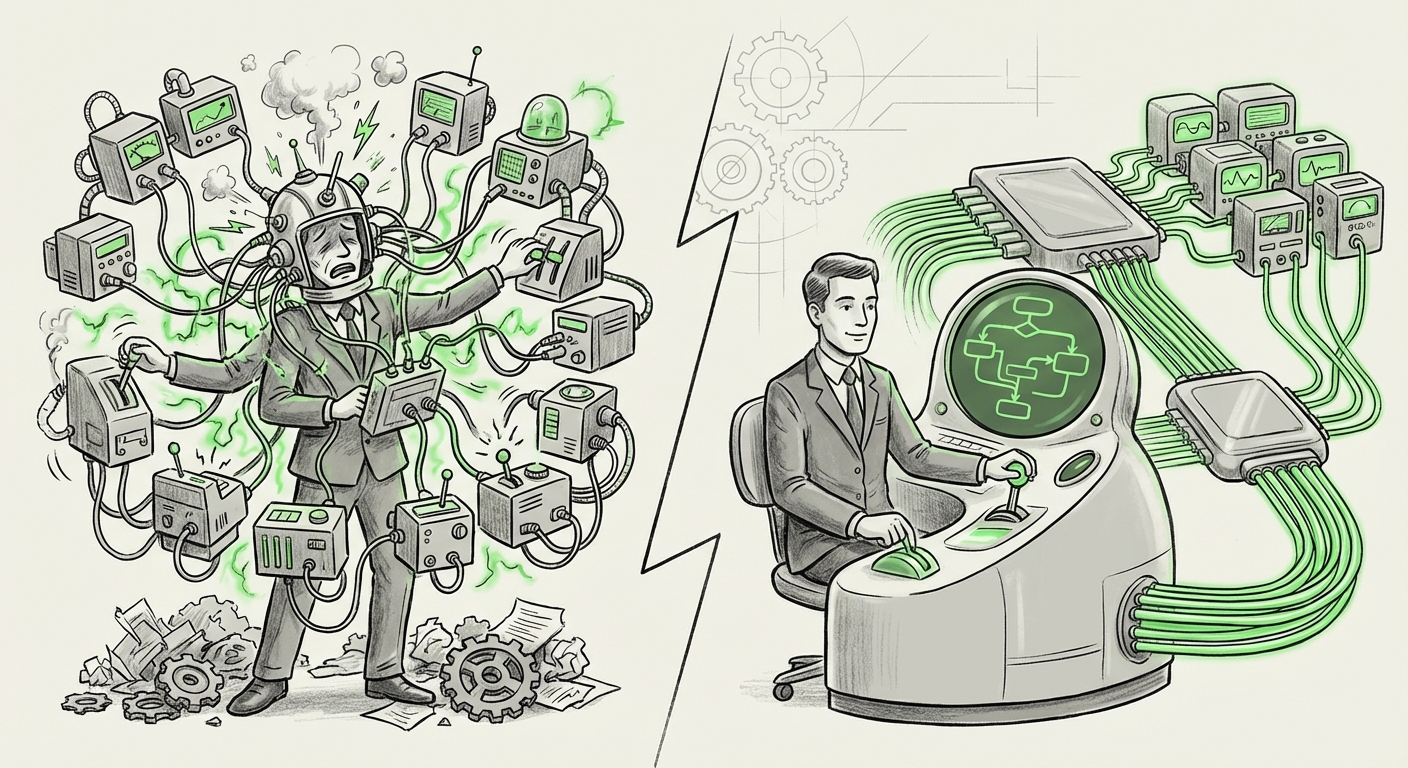
For businesses, the takeaway is clear: Specialized AI is becoming a necessity. If you run an e-commerce site, a fintech app, or any digital service, you face constant cyber threats. Relying on generic security solutions may not be enough. Models like GPT-5.5-Cyber can potentially automate threat detection, reduce false positives, and even help patch vulnerabilities faster.
However, there are risks. Adopting an AI from one vendor (OpenAI) creates dependency. If something goes wrong—an AI hallucinates a security misconfiguration, for example—the consequences could be severe. And because these models are still new, their reliability in production isn't fully proven. Businesses should start with low-risk tasks: analyzing logs, summarizing alerts, generating draft reports. Only after thorough testing should AI be allowed to make critical decisions autonomously.
Another angle: competition between OpenAI and Anthropic is good for pricing and innovation. As they race to outdo each other, we'll see better models at lower costs. But it also means the hype cycle will be intense. Don't rush into contracts based on a single benchmark. Run your own evaluations with your own security data.
Societal and Ethical Considerations
An AI that can hack effectively is also an AI that can be misused. If GPT-5.5-Cyber can outperform Mythos at security tasks, it might also be capable of developing advanced cyberweapons. Both OpenAI and Anthropic claim to build models with strong safety measures, but the risk remains. Governments may start regulating such models, especially if they can be used for offensive cyber operations.
There's also the question of equity. Large companies will be able to afford the best security AI, while smaller businesses and developing nations may be left with older, less capable tools. This could widen the digital security gap. On the positive side, open-source security AI—if it emerges—might democratize access, but for now, proprietary models dominate.
Additionally, as AI takes over more security tasks, what happens to the human workforce? Security analysts may need to shift from doing routine analysis to managing AI systems, interpreting edge cases, and making high-level decisions. That requires reskilling. Companies that invest in training their security teams to work alongside AI will thrive; those that ignore the transition may fall behind.
Actionable Insights for Technologists and Leaders
Whether you're a CISO or a developer, here's what you can do today:
- Stay informed: Follow developments in specialized AI. The GPT-5.5-Cyber vs Mythos race is just the start. Track benchmark updates and real-world deployments.
- Experiment cautiously: Set up a sandbox environment with your security logs and test an AI model (like GPT-5.5-Cyber if available) to see how it performs on your specific threats. Measure false positive rates and response accuracy.
- Review your vendor strategy: Don't lock yourself into a single AI provider. Keep options open so you can switch if another model proves better for your use case.
- Invest in training: Teach your security team how to prompt engineer and validate AI outputs. The most powerful tool is a human+AI collaboration.
- Prepare for regulation: Governments are paying attention. If specialized cybersecurity AI becomes a weapon, expect new laws. Make sure your AI usage is ethical and documented.
The Bigger Picture: AI as a Specialist, Not Just a Generalist
For years, the AI community focused on building larger and larger general models (GPT-4, Gemini, Claude, etc.). The future, as this news shows, is about highly capable specialists. GPT-5.5-Cyber is a signpost: we are entering an era where you can hire an AI that speaks the language of cybersecurity, or medicine, or law, with near-expert fluency.
This doesn't mean general models are obsolete. They remain excellent for brainstorming, customer service, and creative work. But for mission-critical fields like security, the specialist models will take over. The benchmark victory of GPT-5.5-Cyber over Mythos tells us that the race is on—and the winners will define the next decade of digital defense.
For businesses, the message is simple: don't wait. Start understanding how specialized AI can protect your assets. But also, don't be blinded by hype. Test, validate, and prepare for a world where AI is both a shield and, potentially, a sword.
As AI continues to evolve at breakneck speed, the line between science fiction and reality blurs. What seemed impossible five years ago—an AI that can outthink a human hacker—is now happening. And it's only going to get faster, smarter, and more specialized.