Meet Claude Cowork: The AI That Actually Wants Your Most Boring Office Work
If you have spent even a single day in a corporate office, you know the feeling. It is that sinking sensation around 2:30 PM when you realize you still have to format fifteen spreadsheets, cross-check three different versions of a meeting schedule, or draft the same status update for the fourth week in a row. Nobody raises their hand to own that work. Nobody brags about it at performance reviews. And yet, it eats up thousands of hours every year across every industry.
Now, a new AI tool called Claude Cowork is stepping into that exact role. And according to the team behind it, the biggest use case for this technology is not creative brainstorming, not coding breakthroughs, not even customer service chatbots. It is the mundane office work nobody wants to own. This might sound underwhelming at first. But the deeper you look, the more you realize that this quiet revolution could reshape how millions of people work every single day.
In this article, we unpack what Claude Cowork is, why its biggest use case is so ordinary yet so transformative, and what this tells us about the real future of artificial intelligence in the workplace. We will also dive into the practical implications for businesses, the psychological shift required to embrace this change, and what happens to the human workers who currently own that nobody-wants-it work.
The Unsexy Truth About Where AI Is Making a Real Difference
When most people think about the future of AI, they imagine dramatic scenes. Robots taking over factories. Self-driving cars navigating chaotic cities. AI artists winning competitions. These are the splashy headlines that grab attention and fuel both excitement and fear.
But the reality, as Claude Cowork is demonstrating, is far less glamorous and far more practical. The jobs that AI is actually taking on right now are the ones that humans have always struggled with: the repetitive, the tedious, the low-visibility-but-essential tasks that keep organizations running. Think about it. Every company has a graveyard of abandoned processes. That weekly report that nobody reads but everyone keeps sending. The expense reconciliation that takes three hours every month. The data entry that requires copying information from one system into another because the two systems refuse to talk to each other.
These tasks are not fun. They do not build careers. They do not make anyone feel fulfilled. But they are necessary. And historically, the only way to get them done has been to assign them to the most junior person on the team, or to the person who lost the argument about who should do them. Claude Cowork flips that model entirely.
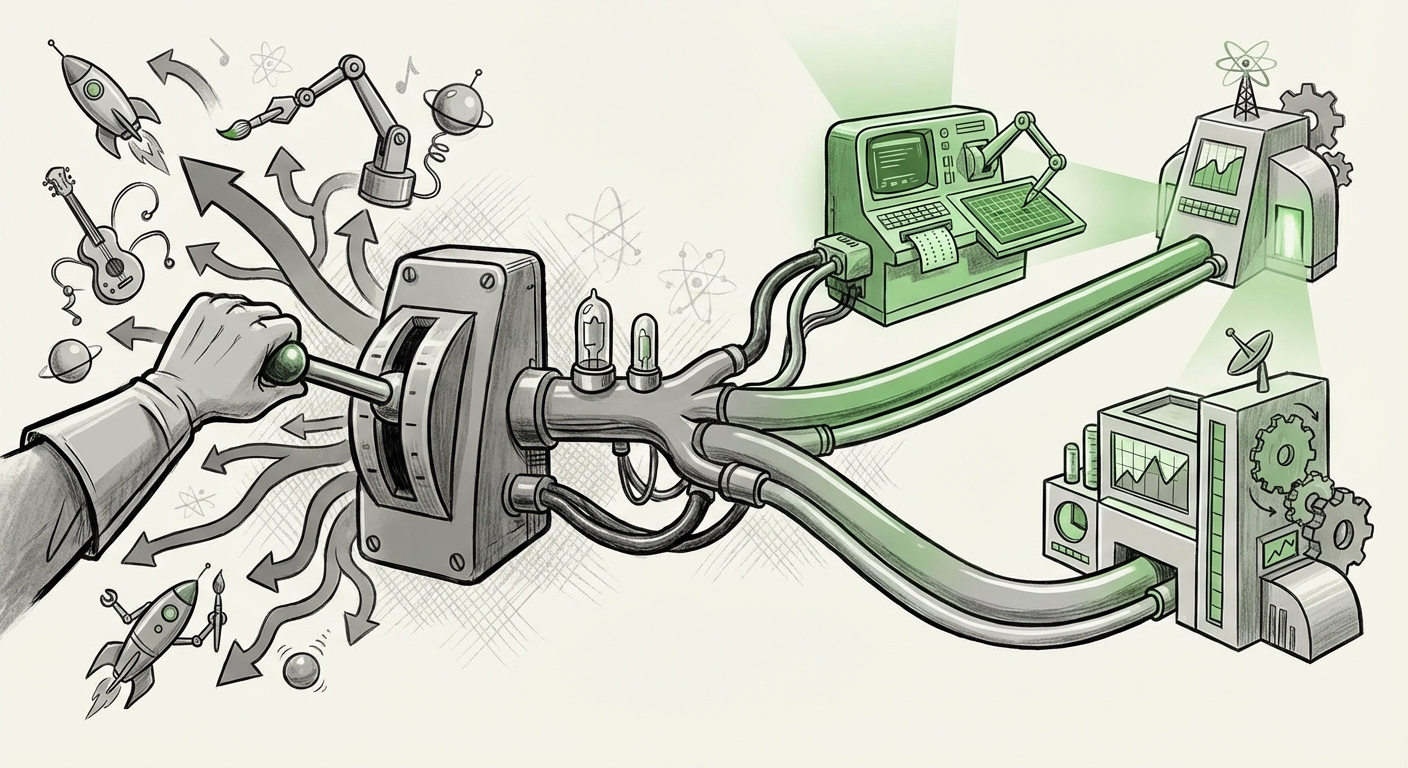
By targeting the mundane office work that nobody wants to own, this AI tool is filling a vacuum that has existed since the invention of the cubicle. It is not trying to replace the brilliant strategist or the charismatic leader. It is trying to replace the grind. And that might be the smartest strategy of all.
What Is Claude Cowork? A Quick Primer
Claude Cowork is an AI assistant designed specifically for the workplace. Unlike general-purpose chatbots that try to answer any question you throw at them, Claude Cowork is built to integrate into the flow of office work. It handles tasks like drafting routine emails, summarizing meeting notes, keeping track of action items, formatting documents, pulling data from spreadsheets, and managing calendars.
The key insight behind Claude Cowork is that the most valuable thing it can do is not to be brilliant. It is to be reliable. The tool is designed to take ownership of tasks that are simple to describe but time-consuming to execute. It does not need to be creative. It does not need to be inspiring. It just needs to get the job done without complaint, without error, and without requiring a pat on the back.
This might sound like a downgrade from the sci-fi visions of AI we have been promised. But in practice, it is exactly what businesses need. The number one reason most digital transformation projects fail is not because the technology is not advanced enough. It is because the day-to-day busywork never gets automated. The big, shiny projects get all the attention, while the small, boring tasks continue to drain human energy. Claude Cowork represents a shift in focus from the spectacular to the sustainable.
Why Nobody Wants to Own the Mundane Work
To understand why Claude Cowork is so effective, you have to understand the sociology of the office. Mundane work is not just boring. It is also invisible. When you do a great job on a mundane task, almost nobody notices. When you make a mistake on a mundane task, suddenly everyone notices. The risk-reward ratio is terrible.
This creates a strange dynamic. Everyone wants the work to get done, but no one wants to be the person who does it. So the work piles up. It gets passed around. It gets done poorly or at the last minute. It becomes a source of resentment and friction. Managers spend time cajoling team members to take on these tasks. Employees feel demotivated because their days are filled with drudgery. And the organization as a whole becomes slower and less agile.
Claude Cowork breaks this cycle. By taking ownership of the mundane work, it removes the social friction entirely. There is no need to assign the task to a person. There is no need to check in on progress. There is no need to worry about resentment or burnout. The AI simply does it, quietly and efficiently, in the background.
This is not just a productivity gain. It is a cultural gain. Teams that offload the boring stuff to AI suddenly have more energy for the work that actually matters. They can focus on strategy, creativity, relationship-building, and problem-solving. They can do the work that humans are uniquely good at, while the AI handles the work that humans are uniquely bad at.
The Numbers Behind the Mundane: Why This Matters
Let us put some rough numbers on this. Studies consistently show that knowledge workers spend anywhere from 30% to 60% of their time on low-value administrative tasks. That includes email management, scheduling, data entry, status updates, meeting preparation, and follow-up. For a typical office worker earning $60,000 per year, that could represent $18,000 to $36,000 in salary spent on work that adds minimal value.
Now imagine that Claude Cowork can take over even half of those tasks. The potential savings are enormous. But more importantly, the value of what employees can do with the reclaimed time is even larger. A marketer who no longer has to format reports can spend that time thinking about campaign strategy. A project manager who no longer has to chase status updates can spend that time coaching team members. A finance analyst who no longer has to reconcile spreadsheets can spend that time finding cost-saving opportunities.
The mundane work is not just a cost. It is an opportunity cost. Every hour spent on a boring task is an hour not spent on something more valuable. By automating the mundane, Claude Cowork is not just saving money. It is unlocking human potential.
What This Means for the Future of Work
The rise of Claude Cowork and similar tools signals a broader shift in how we think about AI in the workplace. For the last decade, the conversation has been dominated by fears of mass job loss. Every new AI capability was met with headlines about robots replacing humans. But the reality is turning out to be more nuanced and more hopeful.
The jobs that are most at risk from AI are not the high-skilled, creative, or strategic roles. They are the low-skilled, repetitive, and administrative roles. But here is the twist: many of those roles are already disliked by the people who do them. The goal of Claude Cowork is not to fire people. It is to free them up to do better work.
This is what some experts call the augmentation approach to AI. Instead of replacing humans, AI augments their capabilities. It takes over the parts of the job that are boring and repetitive, allowing humans to focus on the parts that require judgment, empathy, and creativity. This is a much more realistic and desirable future than the dystopian visions that dominate popular culture.
Of course, this transition will not be seamless. Some roles will be eliminated or reduced. Administrative assistants, data entry clerks, and scheduling coordinators may find that their jobs look very different in five years. But new roles will also emerge: prompt engineers, AI workflow designers, and automation specialists. The net effect on employment is still uncertain, but the direction is clear. The future of work is not about humans versus machines. It is about humans with machines.
The Psychological Shift: Letting Go of the Grind
One of the biggest barriers to adopting tools like Claude Cowork is not technical. It is psychological. Many managers and employees have a hard time letting go of the mundane work because it gives them a sense of control. They feel that if they are not doing the small tasks, they are not really working. There is a weird pride in being busy, even if the busyness is meaningless.
Overcoming this mindset is essential. The goal should not be to stay busy. The goal should be to create value. If an AI can handle the busywork, that is not a sign of laziness. It is a sign of intelligence. The most successful workers of the future will be the ones who learn to delegate effectively to AI, just as the most successful managers today are the ones who delegate effectively to their teams.
This requires a shift in how we measure productivity. Instead of counting hours or tasks completed, we need to start measuring outcomes and impact. If Claude Cowork can produce the same output in five minutes that a human could produce in five hours, the human should not feel threatened. They should feel liberated. Their value lies in what they do with the five hours they just got back.
Practical Implications for Businesses
So what should businesses do right now to prepare for this shift? Here are a few actionable insights based on the Claude Cowork model:
- Audit the mundane. Spend a week tracking every task that feels boring, repetitive, or low-value. These are the tasks that should be handed off to AI first. Do not assume that small tasks are not worth automating. The small tasks add up.
- Focus on integration, not replacement. The goal is not to fire people. The goal is to redeploy them. When you automate a boring task, ask yourself: what could this person do instead? Give them a new responsibility that leverages their human skills.
- Train for the new skills. Workers need to learn how to work with AI. This includes skills like prompt engineering, workflow design, and data literacy. Invest in training now, before the skills gap becomes a crisis.
- Redesign jobs around augmentation. Instead of thinking of jobs as a fixed set of tasks, think of them as a set of outcomes. Let the AI handle the tasks that lead to those outcomes in the most efficient way possible.
- Measure what matters. Stop tracking hours and start tracking value. If an employee can produce more value in four hours with AI than they could in eight hours without it, celebrate that. Do not penalize them for leaving early.
Key Takeaway: The most successful organizations in the next decade will not be the ones with the most advanced AI. They will be the ones that are best at identifying the mundane work and handing it off to machines, freeing their humans to do what humans do best.
The Bigger Picture: AI as the Ultimate Employee Benefit
Here is a thought that might change how you see tools like Claude Cowork. In many ways, offloading mundane office work is the ultimate employee benefit. Think about the things that make people quit their jobs. Low pay, bad management, lack of growth opportunities. But also, and this is often underestimated, the sheer tedium of the daily grind.
When AI takes over the boring stuff, work becomes more enjoyable. People feel more engaged. They feel like their time is being respected. They spend less time fighting with spreadsheets and more time solving interesting problems. This is not just a productivity play. It is a retention play. Companies that adopt AI for mundane tasks will find it easier to attract and keep top talent, because they offer a better work experience.
In this sense, Claude Cowork is not just a tool for getting work done. It is a statement of values. It says: we believe that human beings are too valuable to waste on work that nobody wants to own. That is a powerful message, and it is one that will resonate deeply with a workforce that is increasingly burned out and disengaged.
The Road Ahead: What Comes Next
Claude Cowork is just the beginning. As AI continues to improve, the range of mundane tasks it can handle will only grow. Today it is formatting spreadsheets and drafting emails. Tomorrow it might be managing supply chains, reconciling complex accounts, or coordinating large-scale projects. The boundary between what is mundane and what is meaningful will keep shifting.
But the core insight will remain the same. The future of AI in the workplace is not about building the smartest machine. It is about building the most useful assistant. The one that does the work nobody wants to do, so that humans can do the work that only humans can do.
That is a future worth getting excited about. It might not make the headlines. It might not be glamorous. But it will make millions of people happier, more productive, and more fulfilled. And that is exactly the kind of future we should be building.