Meta's Paid AI Agent Hatch Is Launching Soon, and a New 'Watermelon' Model Is Due in October: What It Means for AI's Future
The race to make artificial intelligence useful in everyday life just got more interesting. Meta, one of the largest technology companies in the world, is getting ready to launch a paid AI agent called Hatch. The launch is expected soon. At the same time, a new AI model with the working name "Watermelon" is scheduled to arrive in October. The announcement is light on details, but heavy with meaning. It shows that the AI industry is shifting from free experiments to paid, practical tools that get things done. It also raises an important question for everyone who uses technology: what happens when AI stops being a novelty and becomes a paid helper we rely on every day?
What We Know About Hatch and Watermelon
The core facts are simple. Meta is launching a paid AI agent named Hatch. A new AI model called Watermelon is due in October. There is no public word yet on pricing, features, or exactly how the two pieces fit together. It is possible that Watermelon will power Hatch, that the model will be offered separately, or that both will happen. In the tech world, companies often tease big news in stages, so quiet weeks before an announcement are common.
Even without details, the most important word in this story is "paid." Meta could have released another free chatbot. Instead, it is betting that people and businesses will spend money on something called an agent. That single decision points to a major change in how AI is built, sold, and used.
The Age of the Paid AI Agent
To understand why this matters, it helps to know the difference between a chatbot and an agent. A chatbot answers questions. An agent takes action. It can plan a trip, organize a schedule, write a draft, handle customer requests, or manage a small workflow from start to finish. Think of a chatbot as a helpful friend who gives advice. Think of an agent as a capable assistant who actually does the job.
The idea of paying for an AI agent is a turning point. Advanced AI is expensive to create. It requires huge data centers, enormous amounts of electricity, top engineering talent, and years of research. For AI to continue improving, companies need money coming back in. Paid agents are the clearest path to that goal.
From a user's point of view, paying for an agent only makes sense if it saves time or money. A well-built agent could handle repetitive work that would otherwise eat up hours every week. If an agent can book meetings, summarize documents, answer routine questions, and manage tasks, the cost of a subscription could become a small price for a big gain in productivity.
Watermelon: A Curious Name With Big Timing
The new model's name stands out. "Watermelon" is playful, and not the kind of name you would expect for a serious piece of technology. But playful codenames are common in the industry. Companies use internal names to keep projects secret and to keep teams smiling. The name matters less than the timing.
October is close. That timing tells us the model is far along in development and that Meta wants to ship it before the end of the year. It also suggests that Meta is keeping up a fast pace in the race to build better and better AI systems. New models typically bring improvements in understanding, memory, speed, and reliability. For a paid agent, those improvements are essential. When people pay for an agent, they expect it to follow instructions, remember context, and make few mistakes.
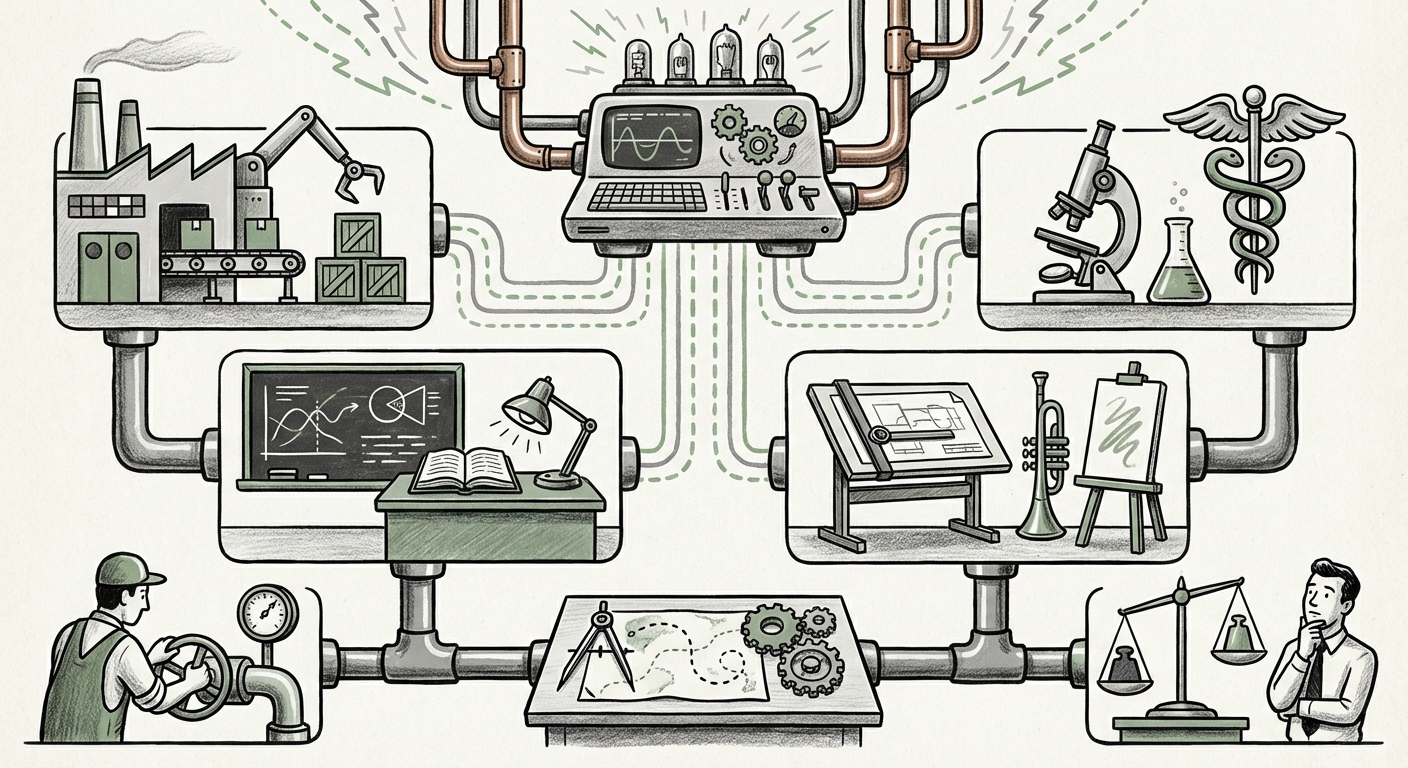
There is also a bigger pattern to notice. Models and agents are starting to travel together. A model is the brain, and an agent is the body. The model thinks, plans, and understands. The agent carries out tasks in the real world, using apps, tools, and accounts. The arrival of Hatch and Watermelon around the same time suggests Meta is building the brain and the body at the same time.
What This Means for the Future of AI
The biggest shift is from conversation to action. The first wave of modern AI impressed people by talking. It wrote poems, answered questions, and generated images. The next wave will be judged by doing. Paid agents are expected to produce real outcomes: completed tasks, saved hours, solved problems. That is a higher bar, and it will push the industry to build AI that is more dependable.
The move also means the marketplace is maturing. In the early days, companies gave AI away to attract attention and gather feedback. Now the era of giveaways is slowly ending. Expect more companies to introduce paid tiers, premium agents, and business plans. This is similar to what happened with music streaming, cloud storage, and online food delivery: free trials turned into paid services once they proved valuable.
Competition will heat up as well. If Hatch succeeds, other major companies will feel pressure to launch their own paid agents. That competition is good news for users because it can lead to better features, lower prices, and more choices. It also raises the stakes: the companies that build the most reliable agents will win the most customers. A company the size of Meta has a huge built-in audience for its tools, which means a successful paid agent here could quickly change what millions of people expect from AI.
What This Means for Businesses
For businesses, the arrival of paid AI agents is both an opportunity and a challenge. The opportunity is simpler work. An agent can take over repetitive tasks that make employees tired and slow: sorting emails, updating records, scheduling calls, drafting replies, and doing research. The challenge is figuring out which work should be handed to a machine and which work still needs a human touch.
Companies should start by listing their most repetitive tasks. Those are the first jobs that an AI agent could handle. Next, they should test small before going big. Try an agent on one department or one workflow, measure the results, and then expand. Finally, keep a human in the loop. Agents will get better, but they are not perfect. The best teams will treat AI as a helper, not a replacement.
There is also a budget question. Businesses already pay for software, cloud services, and online tools. AI agents will soon appear in those budget lines too. The smartest approach is to treat AI as an investment: track the time it saves and the results it creates, and let that data guide future spending.
What This Means for Society and Everyday Users
For regular people, paid agents raise bigger questions. The first is fairness. If the most powerful AI tools require a subscription, will only people with extra money get the best help? The gap between free and paid AI could grow. That is why it is important for free alternatives to keep improving and for public institutions to support access to AI education.
The second question is trust. When an agent acts on your behalf, its mistakes are your problems. A wrongly booked flight, a deleted file, or an awkward message can cause real trouble. Companies will need to earn trust with clear explanations, easy cancellation, refunds for mistakes, and real customer support when things go wrong.
The third question is privacy. To do useful work, an agent often needs access to calendars, email, contacts, and accounts. That access is powerful and personal. Users must carefully read what data is collected, where it is stored, and who can see it. It is a simple rule that is easy to forget in the excitement of a new tool: do not give any agent more access than it really needs.
How to Prepare for the Coming Wave
Here are some practical steps for anyone who wants to get ahead of the paid-agent trend. First, watch the launch closely. When Hatch and the Watermelon model arrive, look for honest reviews from real users before spending money. Second, give new tools a trial run on low-risk tasks. Third, compare paid agents with free options to see if the upgrade is worth it. Fourth, ask hard questions: what tasks can it do, what data does it use, who is accountable if it fails, and can you cancel easily? Finally, keep learning. The AI world changes quickly, and the people who learn early are the ones who benefit most.
A Big Moment in a Fast-Moving Story
The story of Hatch and Watermelon is still being written. There are many details we do not know yet. But the direction is clear. AI is moving away from free parlor tricks and toward paid, practical work. Meta's decision to charge for an agent is one of those quiet signs that mark a real turning point. In the coming months, agents like Hatch will start appearing in everyday life. New models like Watermelon will make them smarter and more useful. The future of AI will not be judged by how well it talks. It will be judged by how well it works. And the next few months will show us just how far that future has come.