Claude Gets Two New Features and a Simpler Platform: What It Means for the Future of AI
Something quiet but important just happened in the world of artificial intelligence. Claude, the AI assistant built by Anthropic, picked up two new features and a simpler platform experience. That might sound like a small update. A couple of buttons here, a cleaner menu there. But look closer, and you can see a much bigger story about where AI is heading.
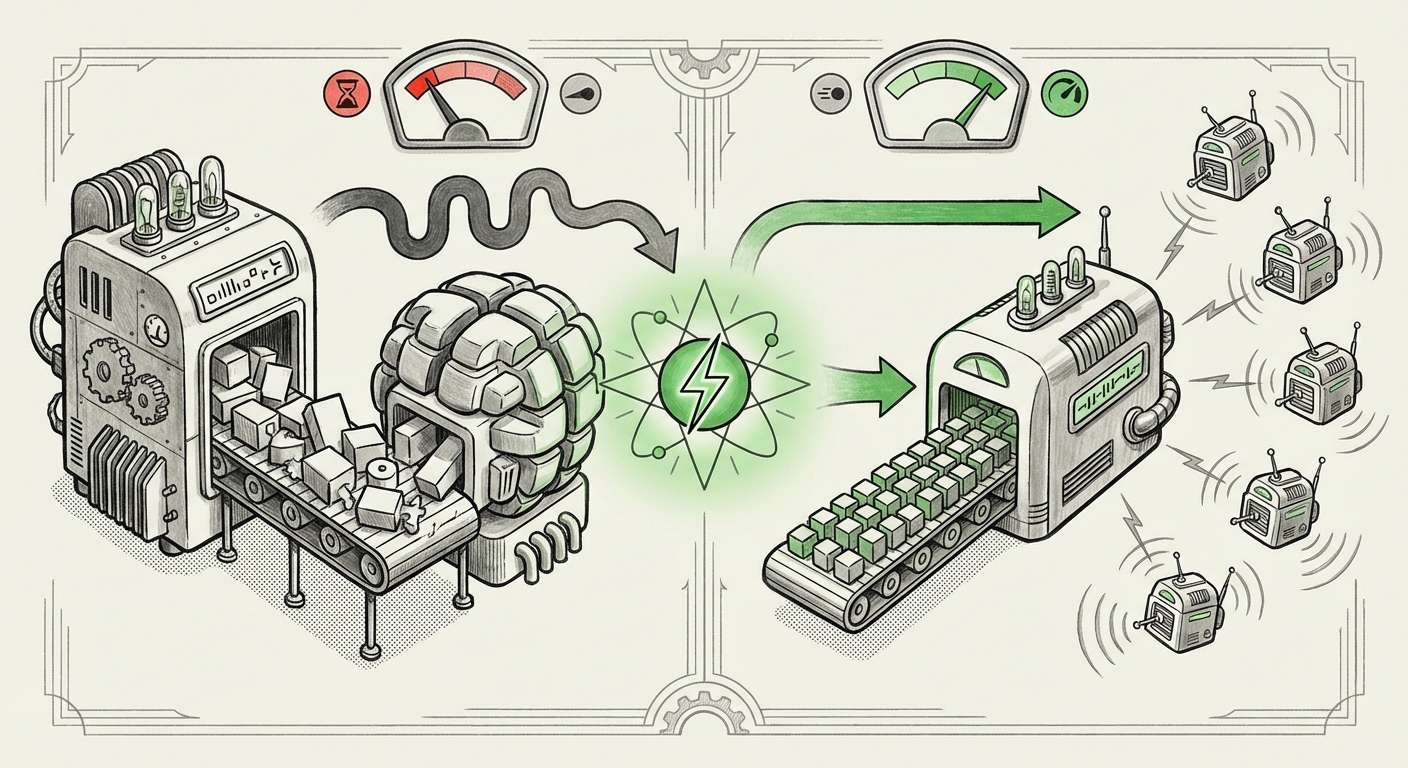
For the last few years, the AI race has been about raw power. Who has the smartest model? Who can write better code or answer harder questions? That race is not over, but a new one has started alongside it. This new race is about usability. It is about taking powerful technology and making it feel easy, safe, and normal for everyday work. This update is a clear signal that we have entered that phase.
The Big Shift: From "Wow" to "Wait, Everyone Uses This Now"
Think about the early days of smartphones. The first ones were clunky. You needed to be a bit of a tech person to enjoy them. Then companies started simplifying. Apps got easier. Settings got cleaner. Suddenly your parents and grandparents had one too.
AI is following the exact same path. The earliest AI tools were impressive but fiddly. You had to know how to prompt well. You had to know which model to pick, how to connect tools, and when to trust the output. Most people gave up halfway.
A simpler platform changes that math. When the interface gets out of the way, more people actually use the tool. And when more people use it, the AI gets woven into how work gets done, not just how tech people work, but how everyone works.
That is the real headline here. Not two features. A direction.
Why Two New Features Can Punch Above Their Weight
Feature announcements rarely change the world on their own. What matters is what a feature removes, the friction, the extra step, the reason you did not use the AI last week.
Every new feature in a mature AI platform tends to do one of a few jobs:
- It removes a manual step. If you used to copy text into the AI, then copy the answer back out, a good feature deletes that dance entirely.
- It adds trust. Features that show sources, explain reasoning, or let you double-check work make people more willing to rely on the output.
- It connects the AI to where work already lives. The best AI is the AI you do not have to go find.
- It handles longer, messier tasks. Instead of one question and one answer, the AI can work through a multi-step job from start to finish.
Two features might not sound like much. But in a tool that millions of people already open every day, two well-placed features can change daily habits for a huge number of workers. Small changes at scale are not small.
The Simplification Play Is the Strategic Move
Here is where it gets interesting for anyone watching the AI market. When the leading AI companies start simplifying, it usually means one of two things is happening.
The first possibility: the technology has matured enough that it no longer needs a complicated wrapper. Early complexity is often a sign of immaturity. Simple interfaces usually mean the hard problems underneath have been solved or hidden away.
The second possibility: the competition has moved to the mainstream user. Power users will tolerate a messy interface. Regular workers will not. If a platform wants to grow beyond developers and early adopters, it has to become obvious.
Both of these point to the same conclusion. AI is graduating from a specialty tool into general-purpose infrastructure. The way we talk about it should change too. We do not talk about "electricity platforms." We just expect the lights to work.
A Quick Reality Check
It is worth being honest about what a single update can and cannot do. A simpler platform does not make the AI right more often. Two new features do not fix every gap in the product. Anyone expecting a revolution from one release will be disappointed.
But that is not how technology adoption works. It happens in small steps that are hard to notice one at a time, and impossible to miss once you look back a year. The updates that matter most are often the least dramatic ones.
What This Means for Businesses
If you run a company, or lead a team, this update should push a few practical questions to the top of your list.
1. Revisit the tools you already pay for
Many companies tested an AI tool a year ago, found it confusing, and quietly stopped using it. A simpler platform is a good reason to look again. The barrier that stopped you then may not exist now.
2. Stop measuring AI by "cool" and start measuring it by "hours saved"
The interesting number is not how clever the model is on a benchmark. It is how many hours a week your team gets back. Simpler platforms make it much easier to measure that, because more people actually use them consistently.
3. Train people on habits, not menus
When a platform gets simpler, training shifts. You no longer need to teach people where to click. You need to teach them when to reach for AI and when to check its work. That is a culture job, not an IT job.
4. Write down your rules before you scale
Easy-to-use AI spreads fast inside a company, sometimes faster than the rules around it. Decide early what data can go in, what needs human review, and who is accountable for AI-assisted output. Simple tools plus clear rules equal safe growth.
What This Means for Workers and Society
For individuals, the message is blunt and simple. The people who benefit most from AI will not be the ones who understand how it works internally. They will be the ones who have built a habit of using it well.
Every time a platform gets simpler, the skill gap shifts. It moves away from "can you operate the tool?" and toward "can you judge the output?" That is a very different skill, and honestly, a more valuable one.
There is a social angle too. Simpler platforms mean smaller companies and solo workers get access to the same leverage that big companies have. A one-person business can now handle research, writing, drafting, and analysis that used to require a small team. That levels the playing field in a way that matters.
It also raises the stakes. When powerful tools become easy, more people use them without thinking hard about the results. That makes human judgment more important, not less. Easy tools plus careless use is a real risk. Easy tools plus thoughtful use is a superpower.
The Bigger Trend: AI Is Becoming Boring (And That's Great)
The most successful technologies in history eventually become boring. Nobody gets excited about email anymore, yet it runs the global economy. Nobody marvels at a spreadsheet, yet entire industries depend on them.
AI is heading to that same place, and the signs are all here. Feature updates are becoming routine. Platforms are getting cleaner. The conversation is moving from "what can it do?" to "how do we use it well?"
That shift is the clearest proof yet that AI is not a passing fad. Fads need constant novelty to survive. Infrastructure just needs to keep working.
The companies that understand this will win differently than they did in the first AI wave. Instead of chasing the biggest model announcement, they will chase reliability, trust, and daily usefulness. Instead of asking how to impress users, they will ask how to disappear into their workflow.
Actionable Steps You Can Take This Week
- Set aside 30 minutes to try the updated platform. Explore it yourself before you form an opinion from headlines.
- Pick one real task you do every week. Use AI for it for five days straight. Judge by the result, not the demo.
- Write a one-page AI policy for your team. Keep it simple: what is allowed, what needs review, who owns the final check.
- Track one number. Hours saved, drafts produced, tickets answered. Something measurable beats a feeling.
- Teach judgment, not clicks. Show your team how to spot a confident-sounding mistake.
- Reassess every quarter. Simple platforms change fast. Yesterday's verdict may not hold.
What to Watch Next
Keep an eye on a few things that will tell you whether this trend has real legs.
Watch whether other major AI platforms simplify too. When one leader makes usability the battleground, competitors usually follow. That would confirm that the market has shifted from power to everyday usefulness.
Watch whether feature updates start focusing on trust, clearer sources, better explanations, easier verification. Those are the features that turn casual users into daily users.
And watch whether businesses stop running pilots and start running programs. When AI stops being an experiment and becomes part of the standard toolkit, that is the moment the shift becomes permanent.
The Bottom Line
Two new features and a simpler platform from Claude will not make headlines for weeks. It should not. The most important technology changes almost never announce themselves loudly.
What this update really shows is that the AI industry is growing up. The fight is no longer only about who is smartest. It is about who is easiest to live with. The winners in the next phase will be the platforms people stop thinking about, because using them feels as natural as sending an email.
For businesses, the takeaway is to test again, measure honestly, and build clear rules. For workers, it is to build a habit and sharpen your judgment. For everyone else, it is a reminder that the future of AI will not be decided by one giant leap. It will be decided by a thousand small, sensible steps like this one.