DevRev Delivers Autonomous Self-Service with GPT-6.1 Sol: What It Means for AI's Future
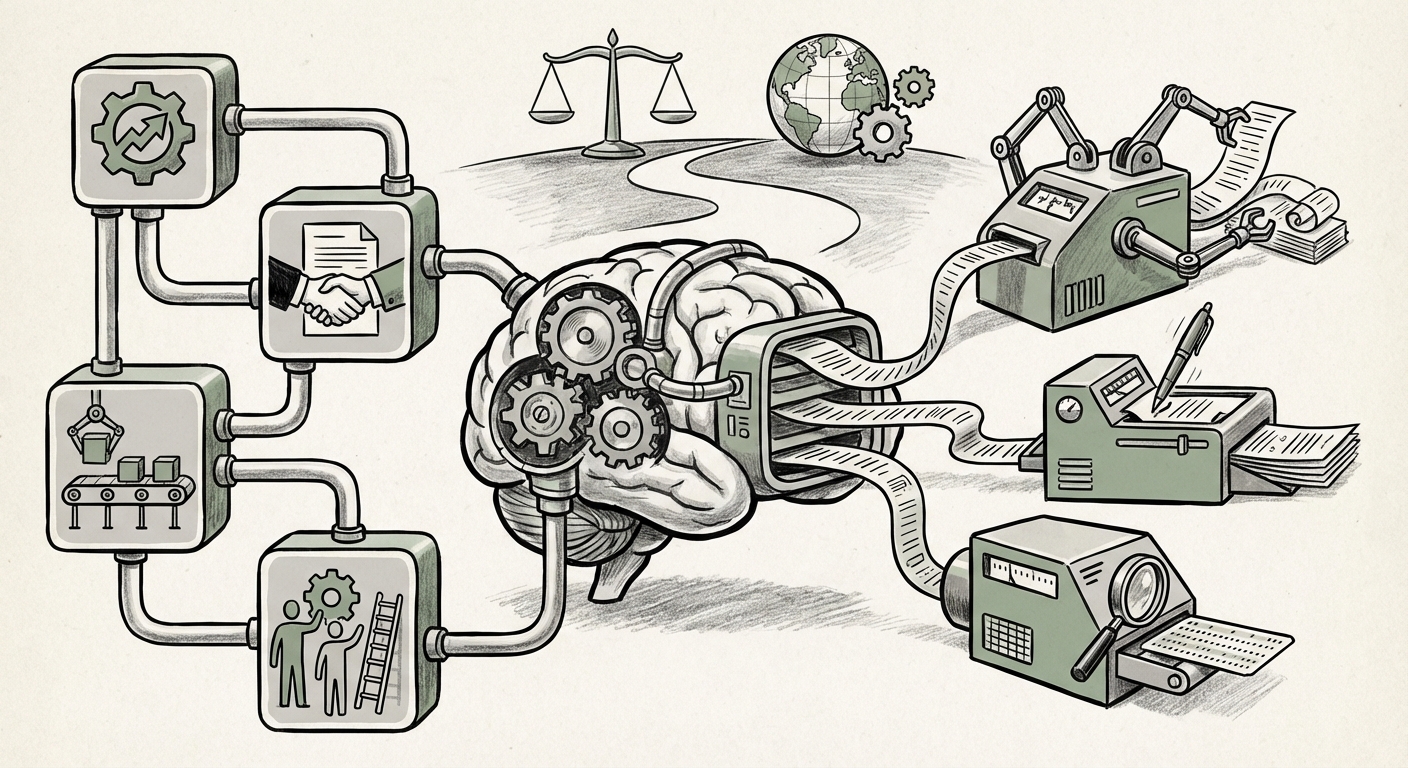
On November 4, 2026, DevRev announced that it has delivered autonomous self-service powered by GPT-6.1 Sol. This is a major moment. It shows that AI is moving from a helper that suggests answers to a system that can handle tasks on its own. For anyone who runs a business, uses customer support, or works with AI, this shift matters. It changes how companies serve people. It also raises big questions about trust, jobs, and what we expect from machines.
In this article, we break down what autonomous self-service means, why GPT-6.1 Sol is important, and how this development will shape the future of AI. We will also share practical steps for business leaders and a clear view of the road ahead.
The Big Shift: From AI Assistants to AI Agents
Most AI tools today are assistants. You ask a question, and the AI gives an answer. It might write a draft or suggest a solution. But a human still decides what to do next. Autonomous self-service is different. It means the AI can understand a problem, decide on a fix, and take action without a person in the loop. For example, it could reset a password, process a refund, or troubleshoot a technical issue from start to finish.
This is a big step. It moves AI from being a smart search box to being a worker that gets things done. DevRev’s delivery of autonomous self-service with GPT-6.1 Sol is a clear signal that this future is no longer theoretical. It is happening now.
Why does this matter? Because self-service is already a huge part of how companies interact with customers. People want fast answers. They do not want to wait on hold. But old self-service tools were often rigid. They followed scripts and failed when a problem was slightly different. Autonomous AI can handle messy, real-world requests. It can learn and adapt. That makes self-service far more useful.
Why GPT-6.1 Sol Matters for Autonomous Self-Service
The name GPT-6.1 Sol points to the engine behind DevRev’s new capability. While the specific technical details are not public, the version number suggests a model that is more advanced than earlier generations. In general, each new generation of AI models brings better reasoning, understanding, and reliability. Those improvements are exactly what autonomous self-service needs.
For an AI to act on its own, it must do three things well. First, it must understand what the user wants, even if the user is frustrated or unclear. Second, it must know what actions are possible and which ones are safe. Third, it must carry out those actions correctly. A model that is better at reasoning and following rules can do all three. That is likely why DevRev chose GPT-6.1 Sol for this launch.
It is also worth noting that autonomous self-service is not just about answering questions. It is about closing the loop. The AI must be able to access systems, make changes, and confirm the result. That requires deep integration and strong guardrails. DevRev’s delivery shows that these pieces can now come together in a real product.
What This Means for Businesses
For companies, the benefits are easy to see. Autonomous self-service can cut wait times, reduce support costs, and free up human agents for complex cases. It can work 24/7 and handle thousands of requests at once. Customers get faster answers, which often makes them happier.
But there are risks. If the AI makes a mistake, it could cause real harm. Imagine an AI that cancels the wrong order or gives incorrect technical advice. That is why businesses need clear limits. They need to decide what the AI can do on its own and when it must ask a human. They also need ways to track what the AI did and why. Trust is earned step by step.
Another practical issue is integration. Autonomous self-service only works if the AI can connect to the company’s systems, like billing, shipping, or user accounts. That takes time and planning. DevRev’s move shows that the technology is ready, but each business still has to do the work to fit it into their own operations.
Finally, companies must think about change management. Human support teams will need new roles. Instead of answering simple questions, they will handle escalations, train the AI, and watch for patterns. This is a shift in skills, not just tools. Leaders should start preparing their teams now.
What This Means for Society and Work
The bigger picture is about how AI will be used in daily life. Autonomous self-service is one of the first places where AI agents will become normal. People will get used to solving problems without talking to a person. That could be great for convenience. But it also raises concerns.
One concern is job displacement. Customer support is a large field. If AI handles more tasks, fewer human agents may be needed. That does not mean all support jobs will vanish. Complex problems still need human empathy and judgment. But the number of entry-level support roles could shrink. Society will need to help workers move into new roles. Training and education will be key.
Another concern is the digital divide. Some people may struggle to use AI-driven self-service, especially older adults or those with limited digital skills. Companies should keep human help available for those who need it. Inclusion matters. A fully automated system that leaves people behind is not a success.
There is also the question of trust. People need to know when they are talking to an AI and what it can do. Transparency builds confidence. If an AI makes a mistake, there should be a clear way to fix it. DevRev’s launch is a chance to set good examples for the industry.
Actionable Insights for Leaders
If you are a business leader, here is how to respond to this trend.
- Audit your current support. Look at the most common requests. Which ones could an AI handle from start to finish? Start there.
- Set clear boundaries. Decide what the AI can do alone and what requires a human. Write these rules down and review them often.
- Pilot with a small group. Do not launch everywhere at once. Test with a limited set of users and measure results. Fix problems before scaling.
- Keep a human backup. Always offer a way to reach a person. This builds trust and protects customers who need extra help.
- Train your team. Help support staff learn to manage AI systems, handle escalations, and spot errors. Their role is changing, not disappearing.
- Watch the data. Track success rates, customer satisfaction, and error patterns. Use that data to improve the system.
These steps will help any company adopt autonomous self-service without losing control. The goal is not to replace people. The goal is to make service faster and better for everyone.
Conclusion: The Autonomous Era Begins
DevRev’s delivery of autonomous self-service with GPT-6.1 Sol is a milestone. It shows that AI can now take real actions in real systems. That is a big change from the chatbots of the past. It points to a future where AI agents handle routine tasks across many industries, from banking to healthcare to retail.
For the future of AI, this means the focus will shift from what AI can say to what AI can do. That brings new opportunities and new responsibilities. Companies that plan carefully will gain faster service and lower costs. Those that move too fast without safeguards may lose trust.
For society, the message is clear: autonomous AI is arriving. We need to talk about how it will be used, who it will help, and how we will manage the risks. The choices we make now will shape how this technology fits into our lives. DevRev’s launch is a starting point, not the end. The autonomous era has begun, and it is up to all of us to steer it well.