Arm & ExecuTorch 0.7: Bringing Generative AI to the Masses and What It Means for the Future of AI
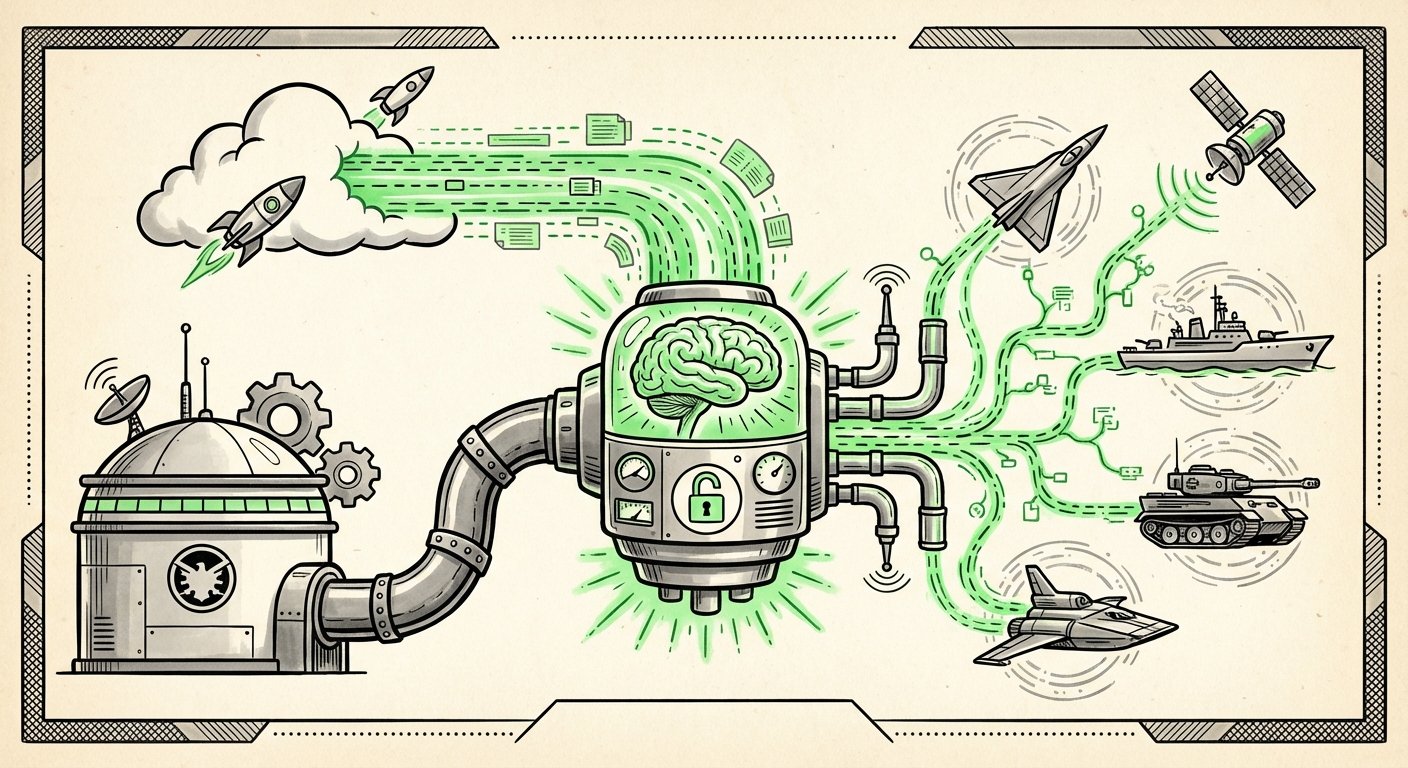
For years, the most powerful generative AI has lived in huge data centers. You type a prompt, it travels across the internet, and a server does the heavy lifting. That model is changing. The release of Arm & ExecuTorch 0.7 is a clear signal that generative AI is moving closer to the devices people already own. This is not just a technical milestone. It is a shift in who gets to use AI, how fast it works, and what it costs.
Generative AI is the kind of AI that can create text, images, code, and other content. When it runs on a device instead of in the cloud, the rules change. The title of the release says it plainly: bringing generative AI to the masses. That phrase matters. It points to a future where AI is not a premium cloud service for big companies. It is a built-in feature of everyday hardware.
A Small Version Number With a Big Message
Version 0.7 may sound early. That is the point. It shows a technology is still maturing, yet already close enough to real use that hardware and software teams are working on it. The message is that on-device generative AI is no longer a research demo. It is becoming an engineering product.
Arm and ExecuTorch 0.7 matter together. The release brings two parts of the AI stack into the same conversation: the chip side and the software side. When these two sides move in step, AI can run on more devices with less friction. That is how a new technology reaches the masses. It does not happen through one breakthrough. It happens through many small improvements in how hardware and software work together.
That is why this release is worth watching. It is not only about making a model run. It is about making a model run well enough that people will actually use it. That means it has to be fast, reliable, and efficient. It has to fit into real products. And it has to work on hardware that people can afford.
Why On-Device Generative AI Changes the Game
Running AI on a device instead of the cloud changes several things at once. Some of the benefits are easy to see. Others will shape the future in quieter ways.
Privacy and Trust
When AI runs on your phone or laptop, your data can stay there. You do not have to send personal notes, photos, or work documents to a remote server. That can build trust. It can also make AI usable in places where data cannot leave the building, such as a clinic or a factory floor. For many people, privacy is not a nice extra. It is a reason to use or avoid a tool.
Speed and Reliability
Cloud AI depends on a network. On-device AI does not. That means faster responses and fewer failures when the connection is weak. A farmer in a rural area, a nurse in a basement, or a traveler on a plane could use AI tools without a strong signal. The AI becomes more like a normal part of the device and less like a service that disappears when the signal drops.
Cost and Access
Cloud computing costs money. Every prompt can add up. On-device AI can lower those costs because the work happens on hardware people already own. That is a big deal for schools, small businesses, and people in regions where cloud bills are out of reach. It also opens the door to cheaper devices that can still do useful AI work.
Access is the heart of the “to the masses” idea. If generative AI needs an expensive cloud account and a fast connection, it will not reach everyone. If it can run on a lower-cost device, it can. That does not mean every device will run the biggest models. It means more people will have access to useful AI features in their daily lives.
What Arm and ExecuTorch 0.7 Signal Together
The combination is the story. Arm and ExecuTorch 0.7 show that the industry is working on the full path from model to device. A model is not useful if it cannot run efficiently on real hardware. A chip is not useful for AI if the software cannot take advantage of it. This release points to a future where the two are designed to meet.
Version 0.7 also suggests honesty about maturity. It is not a final, polished 1.0. It is a working step. That matters because the move to on-device AI will not happen overnight. It will come through releases like this one, each making it a little easier to put generative AI on more devices.
The Technical Hurdle: Making Big AI Fit Small Devices
For technical readers, the challenge is clear. Generative AI models are large. Devices are small. They have limited memory, limited power, and limited cooling. The job of a release like ExecuTorch 0.7 is to close that gap. It is about making models run well under tight limits.
That means smart use of memory. It means getting the most out of the hardware. It means making sure a model can start quickly, run smoothly, and not drain the battery. These are not glamorous problems. But they are the problems that decide whether AI feels magical or miserable on a real device.
The 0.7 release is a sign that these problems are being solved in a practical way. It is not about running the biggest model everywhere. It is about running the right model on the right device for the right task. That is how on-device AI becomes useful instead of just impressive in a demo.
What This Means for Businesses
Businesses should pay attention because on-device AI changes the economics and the product experience. A company can build an AI feature that works offline. It can offer faster responses. It can keep sensitive data on the device. It can avoid some cloud costs. Those advantages can create new products and improve old ones.
Think about field workers who need help in places with no signal. Think about health tools that handle private information. Think about retail apps that want to respond instantly. On-device generative AI can make these use cases real. It can also make AI more affordable for small companies that cannot pay for large cloud bills.
But there are new responsibilities. Companies will need to manage model updates across many devices. They will need to test performance on different hardware. They will need to be clear about what data stays on the device and what leaves it. The businesses that plan for these details will win trust. The ones that ignore them will create problems.
What This Means for Society
The biggest promise is access. If generative AI can run on lower-cost devices, more people can use it. That includes students, small business owners, and communities that have been left out of the cloud AI boom. The phrase “to the masses” is not just marketing. It points to a more equal starting line.
Privacy is another social benefit. When data stays on a device, people have more control. That can make AI safer for personal use. It can also reduce the risk of large data breaches. If a device can do the work locally, there is less need to send sensitive information across the internet.
But there are risks. If AI works differently on every device, people may get uneven results. If older devices cannot run the latest models, a new digital divide could open. If companies do not explain how on-device AI works, users may not know when they are talking to a machine or what happens to their data. These are not reasons to stop. They are reasons to set standards and be transparent.
The Future: Hybrid, Personal, and Everywhere
The future of AI is unlikely to be cloud-only or device-only. It will be a mix. Heavy tasks can go to the cloud. Everyday tasks can stay on the device. The system will choose the best path based on speed, privacy, cost, and power. That is the hybrid future that releases like Arm & ExecuTorch 0.7 are helping to build.
In that future, generative AI becomes all around you. It is not a separate app you open. It is a helper inside the tools you already use. It can summarize a meeting on your laptop, translate a sign on your phone, or help a technician fix a machine without a connection. The AI is personal, private, and always nearby.
That is why this release matters beyond its version number. It is a step toward making AI a normal part of computing, not a special event in the cloud. The more AI fits into everyday devices, the more people will use it without thinking about the technology behind it.
Actionable Insights
For Developers
Start small. Pick one task that benefits from low latency or privacy. Test it on real devices, not just fast laptops. Measure memory, speed, and battery life. Design for limits. Make it easy to update models later. And be honest with users about what stays on the device.
For Business Leaders
Look for use cases where on-device AI has a clear advantage: offline work, private data, instant response, or lower cloud costs. Do not move everything at once. Run a pilot. Compare the total cost and user experience with your cloud setup. Build a plan for device diversity and model updates. Train your team on edge AI skills.
For Policymakers and Society
Support open standards for on-device AI. Push for clear privacy rules that cover both cloud and device. Invest in digital skills so more people can benefit. Watch for exclusion as new hardware becomes the price of entry. The goal should be AI that reaches the masses without leaving people behind.
Conclusion
Arm & ExecuTorch 0.7 is a small version number with a large meaning. It shows that generative AI is moving out of the data center and into the devices people already carry, wear, and use at work. That shift will make AI faster, more private, and more affordable. It will also create new challenges in performance, trust, and fairness.
The future of AI will not be built by one company or one release. It will be built by many steps like this one. The direction is clear: AI is becoming more personal, more local, and more available to everyone. Arm & ExecuTorch 0.7 is one of those steps. And it is a step worth watching.