Claude Self-Updating Dashboards: The End of Stale Reports and the Rise of Living Analytics
The headline is simple: Claude can now build a dashboard that updates itself. At first glance, that sounds like a small upgrade for business analysts. It is not. It points to a much bigger shift in how AI is used at work. For years, AI has mostly answered questions. Now it is starting to build and maintain the tools people use to run their work.
A dashboard is more than a chart. It is a shared view of reality. It tells a team what is happening, where problems are, and what to do next. But most dashboards go stale. Data changes. Definitions drift. Reports break. Someone has to fix them. The idea of a dashboard that updates itself tackles one of the most boring and costly problems in analytics: keeping the picture current.
The bigger story is not just about one feature. It is about AI moving from question-answering to artifact-building. That shift changes what businesses should expect from AI, how they should govern it, and what skills people will need.
From Static Reports to Living Systems
Most companies do not suffer from a lack of data. They suffer from a lack of current, trusted, usable data. A report is built. It looks good on day one. Then the source table changes. A column is renamed. A filter misses new regions. The report keeps running but no longer tells the truth. Teams spend hours rebuilding what they already built.
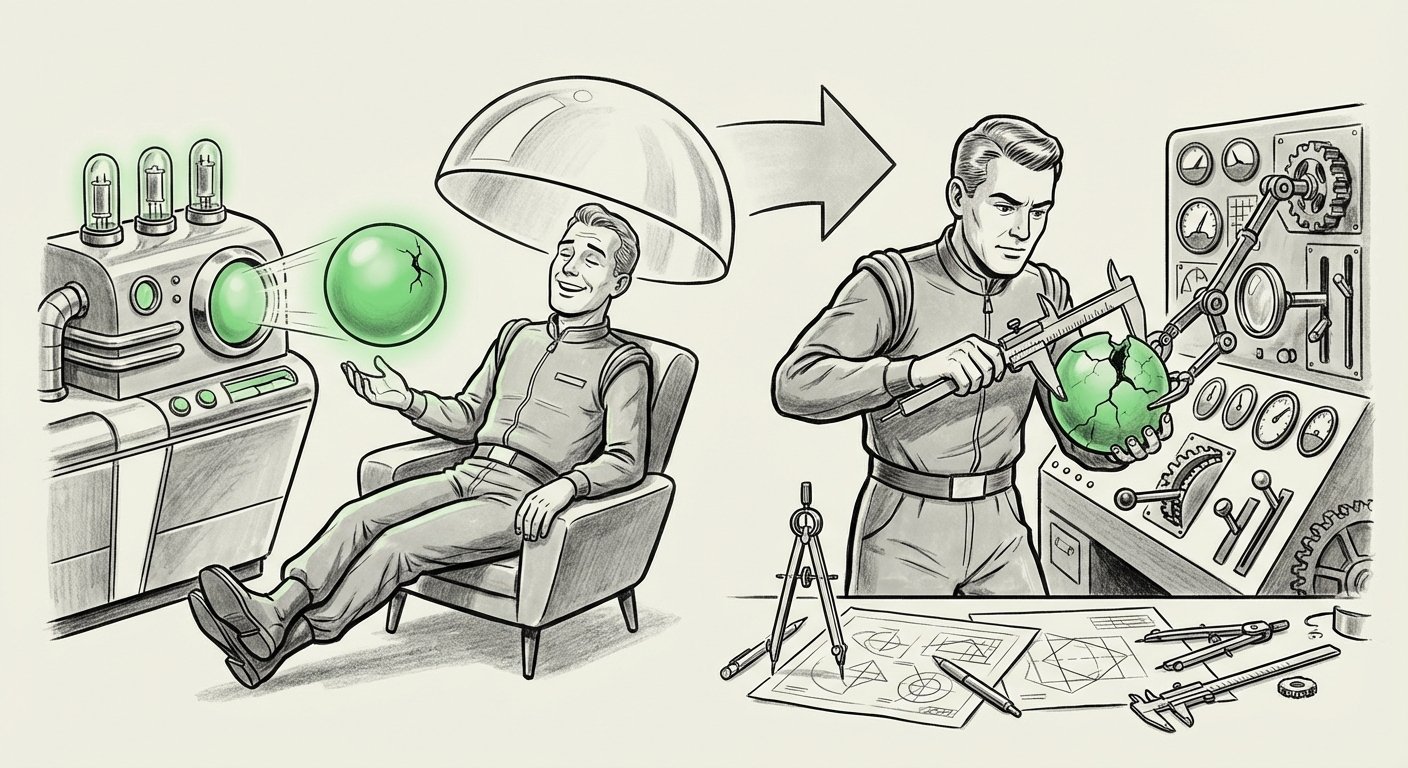
A self-updating dashboard changes the pattern. Instead of delivering a one-time chart, Claude can build something that keeps working. The dashboard is not a snapshot. It is a small system. It has inputs. It has logic. It has a reason to refresh. That makes it closer to software than to a report.
This matters because dashboards are how most organizations operationalize data. A sales dashboard drives pipeline reviews. A support dashboard drives staffing. A finance dashboard drives spending decisions. When those views go stale, decisions go stale with them. A dashboard that updates itself reduces the gap between what happened and what leaders know.
For technical teams, the promise is not that every dashboard will be perfect. The promise is that the maintenance burden can shift. Instead of hand-building every refresh, teams can describe the goal and let AI assemble the pieces. That does not remove the need for data engineers. It changes where their time goes.
Why This Capability Matters More Than It Sounds
The phrase “build a dashboard that updates itself” hides a lot of hard work. A dashboard needs a data source. It needs a query. It needs a schedule. It needs error handling. It needs permissions. It needs a clear definition of each metric. It needs a way to tell a user when something is wrong.
When an AI system can handle more of that chain, several things happen at once:
- Time to insight drops. A business user can describe a need in plain language and get a working view faster than a traditional request queue allows.
- BI backlogs shrink. Analysts spend less time rebuilding simple reports and more time on hard questions.
- More people can participate. Teams without dedicated analysts can create basic monitoring for their own work.
- Data culture improves. When dashboards are easier to create, more decisions get grounded in evidence.
None of this happens automatically. But the direction is clear. AI is becoming a builder of business tools, not just a chat partner.
What Claude’s Capability Signals About AI Agents
The most important word in the headline is not “dashboard.” It is “itself.” A system that updates itself is showing a small form of agency. It is not just producing text. It is taking responsibility for a recurring outcome.
That is the same direction as the broader move toward AI agents. An agent is useful when it can do more than answer once. It can plan, act, check, and repeat. A self-updating dashboard is a narrow but practical example. It has a clear goal: keep the view current. It has a clear feedback loop: did the refresh work? It has a clear owner: the team that uses it.
This is how AI becomes part of the operating model. It stops being a tool you visit and becomes a system that runs in the background. That is a much bigger change for businesses than a new model release. It means AI has to be reliable, observable, and safe enough to trust with ongoing work.
It also raises the bar for AI products. A demo can build one chart. A production system has to handle bad data, changed schemas, permission errors, and ambiguous requests. The ability to build a self-updating dashboard is impressive. The ability to keep it trustworthy over time is the real test.
The Business Case: Faster Answers, Less Busywork
For business leaders, the value is easy to see. Every week, teams waste time pulling numbers, fixing reports, and arguing about which version is correct. A self-updating dashboard does not solve every data problem. But it can remove a layer of repetitive work.
Imagine a operations manager who wants to track daily fulfillment delays. Today, that request might wait in a queue. With an AI-built, self-updating dashboard, the manager can get a working view faster. The view can refresh on its own. The manager can focus on the delay, not the report.
Imagine a marketing team that wants to watch campaign performance by region. A static report goes out of date the moment spend changes. A self-updating view keeps the team aligned. The value is not just speed. It is shared situational awareness.
The same logic applies across functions. Finance can monitor spend against plan. Support can watch ticket volume. Product can track feature adoption. Sales can follow pipeline health. In each case, the win is not a fancier chart. The win is a shorter path from question to action.
The Risks Hiding Behind a Fresh Chart
A dashboard that updates itself can also spread a mistake faster. If the metric definition is wrong, the error refreshes on schedule. If the source data is incomplete, the chart looks current but tells a false story. If permissions are too broad, the wrong people see sensitive numbers. If no one owns the dashboard, it can become a trusted black box.
These risks are not reasons to avoid the technology. They are reasons to treat AI-built dashboards as production systems, not sketches. That means clear ownership, visible logic, and a way to audit what changed.
There is also a human risk. When a dashboard looks polished, people trust it more. That is true for charts built by humans too. But AI can produce a convincing view very quickly. The faster the output, the more important the review. Teams should ask: Where does this number come from? Who defined it? When did it last refresh? What happens if the source fails?
The biggest danger is not that Claude builds a bad dashboard. The biggest danger is that no one checks. A self-updating dashboard should make the health of the data more visible, not less.
Practical Steps for Teams
Organizations that want to use this capability well should start small and build trust. A few practical moves can make a big difference:
- Start with bounded, low-risk metrics. Pick views where a mistake is easy to catch and not catastrophic.
- Require a human owner. Every self-updating dashboard should have a named person or team responsible for its meaning.
- Document metric definitions. AI can build the view, but the business must define what the numbers mean.
- Use a semantic layer or shared metric store. Consistent definitions reduce the chance of conflicting dashboards.
- Add observability. Track refresh failures, row counts, and data freshness. A dashboard should be able to say, “I am stale.”
- Test permissions early. Make sure the dashboard respects the same access rules as the underlying data.
- Version the logic. Keep a record of changes so teams can see what shifted and why.
- Review before broad rollout. Treat the first version like a draft, not a final source of truth.
These steps are not glamorous. But they are what separate a useful self-updating dashboard from a risky one.
What This Means for the Future of AI
The long-term signal is that AI is moving toward ongoing operational work. Chatbots answer. Agents maintain. Dashboards are a good early example because they are concrete, measurable, and close to daily decisions. But the same pattern will likely spread to other artifacts: reports, alerts, workflows, summaries, and monitoring tools.
In that world, the value of AI is not just in the first answer. It is in the system that keeps answering. That changes how companies buy AI, measure it, and govern it. The key questions become: Does it stay correct? Can we see what it did? Can we stop it? Can we explain it?
It also changes the role of analysts and data teams. Less time goes to building basic views. More time goes to defining metrics, validating outputs, and designing the guardrails. The job does not disappear. It moves up the stack. The people who understand the business meaning of data become more important, not less.
For society, the implications are mixed. Better access to current information can improve decisions in business, healthcare, public services, and education. But it can also create a false sense of certainty. If self-updating dashboards become common, people will need stronger data literacy. They will need to know how to question a chart, not just read it.
The Human Side: New Skills, New Trust
Every new automation changes what people are paid to do. Self-updating dashboards shift value away from manual report building and toward judgment, definition, and oversight. Teams will need people who can ask good questions, spot bad data, and explain what a metric really means.
Trust will be the bottleneck. A dashboard that updates itself is only useful if people believe it. That trust has to be earned. It comes from clear definitions, visible data sources, reliable refreshes, and a honest record of when things break. The organizations that get this right will move faster. The ones that skip the guardrails will create new kinds of technical debt.
The best way to think about Claude’s new capability is not as a replacement for analysts. It is as a force multiplier for good data practice. If the underlying data and definitions are strong, the dashboard gets better. If they are weak, the dashboard gets faster at being wrong.
Conclusion
Claude can now build a dashboard that updates itself. That is a practical milestone, but it is also a sign of where AI is going. The future of AI at work is not just conversation. It is living systems that keep doing useful work after the first prompt.
For businesses, the opportunity is real: faster insight, less busywork, and more people using data. The risk is also real: stale logic, false confidence, and unclear ownership. The difference between the two comes down to governance. Teams that treat AI-built dashboards as production tools, with owners and checks, will get the upside. Teams that treat them as magic will get surprised.
The dashboard is a small object. But it is a good test of the next era of AI. Can AI build something that stays useful? Can people trust it? Can organizations keep it honest? The answers will shape how AI is used for years to come.