Meta’s Muse Meets Loblaw: What the First Canadian Retail AI Partnership Means for the Future of Shopping and AI
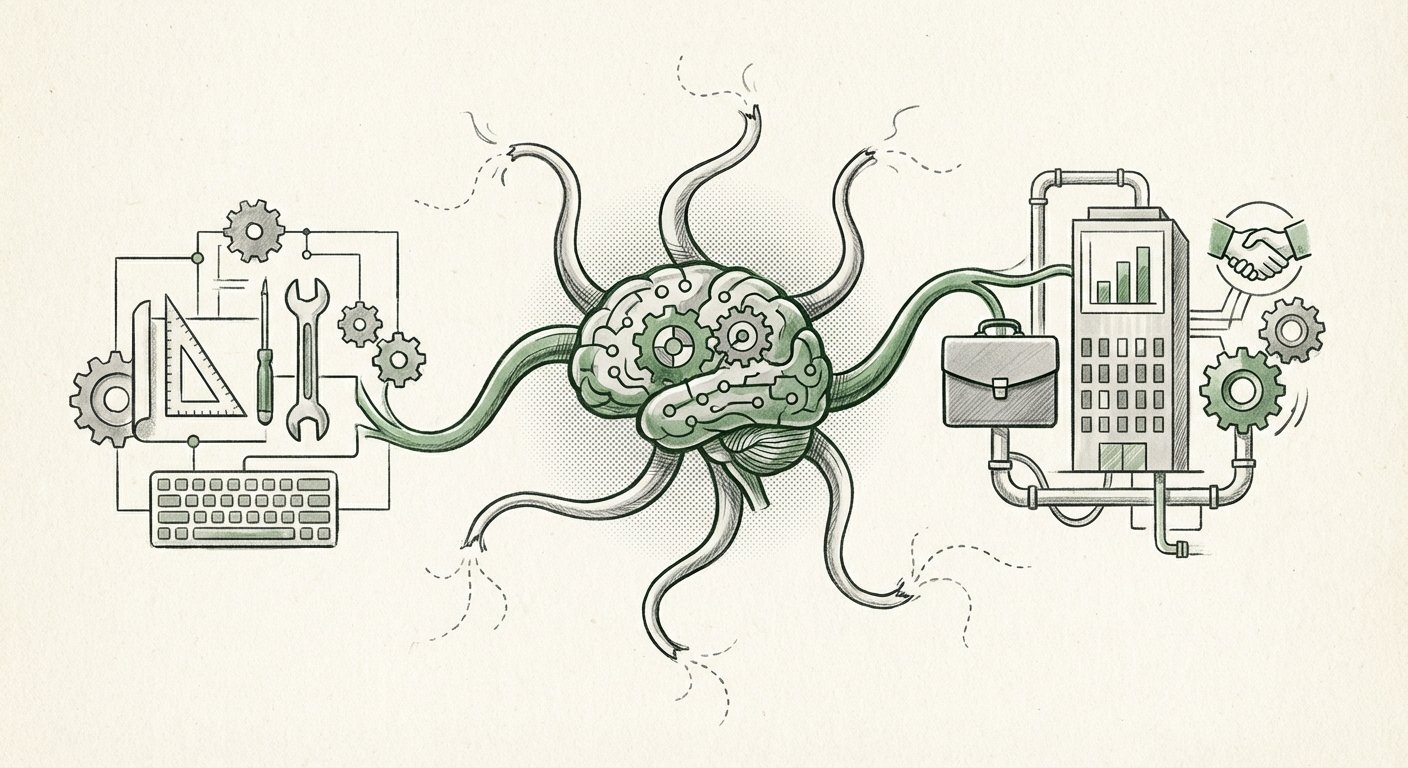
Something big just happened in the world of artificial intelligence and retail. On November 18, 2026, Meta announced that Loblaw, one of Canada’s largest and most recognizable grocery and retail chains, is the first Canadian retailer to join its Muse platform. This might sound like a simple corporate partnership, but it’s actually a major signal about where AI is heading next. It shows that AI is moving out of the lab and into the aisles of your local supermarket. This deal is about much more than just fancy chatbots or personalized ads. It marks the moment AI starts to actively reshape how we shop, how stores operate, and how everyday businesses use intelligent tools to compete.
Why This Partnership Is a Big Deal
To understand the importance of this news, we need to look at what Meta’s Muse platform does. While the details are still unfolding, the pattern is clear: Muse is Meta’s push to bring AI directly into the hands of consumers and businesses in a practical, integrated way. It’s not just a standalone app. It’s a layer of intelligence that can sit on top of existing services, like a grocery store’s app or website, and make them smarter, more personal, and more efficient.
By partnering with Loblaw, Meta is proving that its AI tools are ready for the real world. Loblaw isn’t a small startup; it’s a massive retail operation with thousands of products, complex supply chains, and millions of customers. If Muse can work here, it can work almost anywhere. This partnership is a vote of confidence. It tells the business world that AI from big tech companies like Meta is no longer experimental. It’s a practical tool you can use to run your business better.
The Trend: AI Is Becoming the New Electricity
We’ve been hearing for years that AI will change everything. But for many businesses, the change has been slow and theoretical. That’s starting to shift. The Meta-Loblaw deal is a perfect example of a larger trend: AI is becoming like electricity. It’s not a standalone product you buy; it’s a utility that powers everything else. Just as you don’t buy “electricity” to run a cash register, you’ll soon stop thinking about AI as a separate tool. Instead, it will be built into the software you already use, your point-of-sale system, your inventory tracker, your customer loyalty program.
This is the future that Meta is betting on with Muse. The company isn’t just selling software; it’s selling an ecosystem. By partnering with major retailers like Loblaw, Meta is positioning its AI as the standard operating system for modern commerce. This mirrors what other tech giants are doing, but Meta’s focus on social connection and its massive user base gives it a unique angle. It can blend shopping with social discovery, making retail a more interactive and personalized experience.
What This Means for the Future of AI and How It Will Be Used
So, what does this actually look like in practice? Let’s break down the practical implications for businesses and society.
1. The End of Generic Shopping
For you as a shopper, this means the end of generic experiences. Instead of scrolling through thousands of products, the Muse AI will learn your preferences, your dietary needs, and your budget. It might suggest a recipe based on what you bought last week, or automatically add your favorite brand of coffee to your cart when it senses you’re running low. This isn’t just about getting you to buy more; it’s about making the shopping trip feel like it was designed just for you. For retailers like Loblaw, this means higher customer loyalty and more efficient sales.
For businesses: The bar is being raised. Customers will soon expect every brand to have this level of intelligence. If your app doesn’t know what a customer wants, they’ll go to one that does. This creates a huge opportunity for small businesses to use AI platforms to punch above their weight. A local corner store could use a Muse-like tool to offer the same personalized experience as a global chain.
2. AI That Works Behind the Scenes
The big story isn’t just the customer-facing AI. The real magic happens behind the scenes. Muse can help Loblaw predict demand, manage inventory, and optimize its supply chain. Imagine an AI that looks at weather forecasts, local events, and historical data to know exactly how many watermelons to order for a hot weekend. This reduces waste, saves money, and keeps shelves stocked. In a time of rising food prices and supply chain issues, this kind of efficiency is invaluable.
Actionable insight: Business leaders should stop thinking of AI as a marketing gimmick. They need to ask: “How can AI make my operations smarter?” Whether it’s better stock prediction or smarter logistics, the real return on investment often comes from behind-the-scenes automation.
3. A New Competitive Landscape
Meta and Loblaw teaming up changes the game for everyone else. Competing grocers like Sobeys or Metro, and other retailers like Walmart and Amazon, will now feel pressure to either build their own AI or partner with another tech giant. This could lead to an “AI arms race” in retail. The winners will be the businesses that can most effectively blend digital intelligence with physical convenience.
For Meta, this is a huge strategic win. It moves the company beyond social media and deeper into the everyday life of consumers. It also gives Meta a new way to make money from its AI investments. Instead of just ads, it can offer AI-powered tools as a service to businesses around the world. The Loblaw partnership is a proof-of-concept that Meta can use to sell its Muse platform to retailers in Europe, Asia, and South America.
The Bigger Picture: What This Means for Society
Let’s zoom out. The Meta-Loblaw partnership is a glimpse into a future where AI is invisible but everywhere. It’s not a robot that follows you around the store; it’s a quiet intelligence that anticipates your needs and removes friction from your day.
This also raises important questions. When an AI knows your shopping habits so well, what happens to your privacy? Loblaw and Meta will need to be transparent about how they use this data. Trust will be the currency of this new AI-powered economy. Customers need to feel that the convenience is worth the data they share.
There’s also a workforce angle. As AI handles tasks like inventory management and customer recommendations, the jobs of retail workers will change. The role of a grocery clerk might shift from stocking shelves to managing the AI systems and providing a human touch that the AI can’t replicate. This is a net positive if managed well. It can free up workers from repetitive tasks to focus on more meaningful interactions.
The Competitive Edge: Speed and Integration
This deal also highlights a key trend: the companies that win will be the ones that integrate AI fastest. Meta’s Muse platform is designed to plug into existing systems, making it easier for a company like Loblaw to adopt. This speed of integration is the new competitive edge. It’s no longer about having the most advanced AI in a lab; it’s about getting effective AI into the hands of real people quickly.
For business leaders, the lesson is clear: don’t wait for AI to become perfect. Start experimenting now. Partner with platforms and providers who can help you integrate AI into your current operations. The businesses that start building their AI muscle today will be the ones that thrive five years from now.
What to Watch For Next
This is just the beginning. Here are a few things to keep an eye on in the coming months:
- More Loblaw Rollouts: Will this partnership expand to other Loblaw brands and services, like Shoppers Drug Mart or PC Optimum?
- Competitor Responses: Watch for other major Canadian retailers announcing similar AI partnerships.
- New Features: How will Muse actually show up in the Loblaw app or website? Will it be a chat assistant, a smart shopping list, or something entirely new?
- Consumer Reaction: The public response will determine how quickly other retailers adopt this model. Will shoppers embrace super-personalized shopping or be wary of the data collection?
The Meta-Loblaw partnership is a landmark moment. It marks the transition of AI from a futuristic promise to a practical, everyday tool. It shows that the future of AI isn’t just about chatbots or deepfakes. It’s about a smarter, more efficient, and more personal way of doing the things we already do, like buying groceries. And it proves that the companies that will lead the next decade are those that figure out how to weave AI into the fabric of daily life.