DataRobot for Developers: How Skills, MCP, and the Agentic Surface Are Redefining Software Development
Artificial intelligence is no longer just a tool for data scientists. It is becoming a core part of how every developer builds software. DataRobot, a leader in AI and machine learning, recently published a blog titled "DataRobot for Developers: Skills, MCP, and the agentic developer surface" on May 19, 2026. This article dives into the cutting-edge tools and concepts that are reshaping the developer experience. In this blog, we will break down what Skills, MCP (Model Context Protocol), and the agentic developer surface mean for the future of AI and how they will be used by businesses and society.
What Is the Agentic Developer Surface?
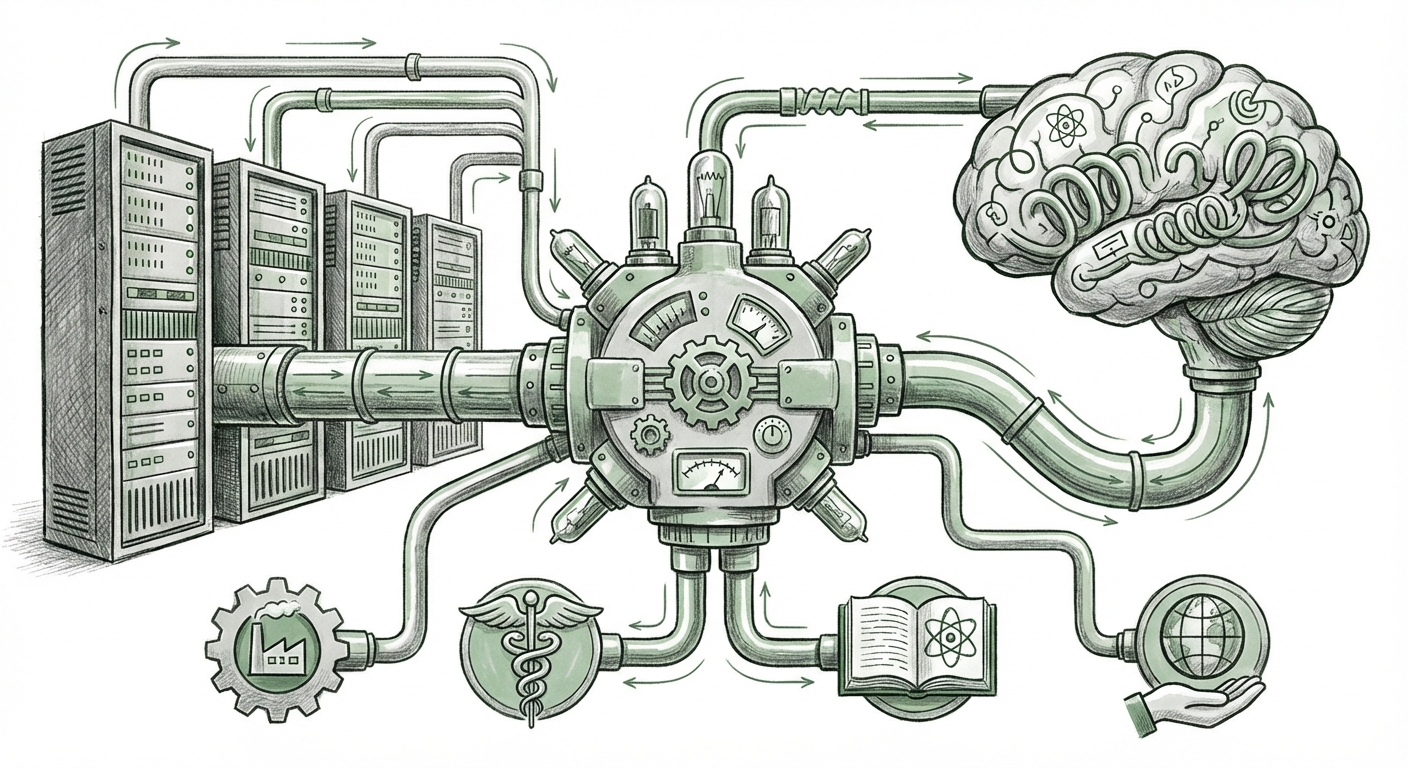
The term "agentic developer surface" might sound complex, but it is actually a simple idea. It refers to the new way developers interact with AI models. Instead of just calling an API or training a model, developers can now create agents—autonomous AI programs that can reason, make decisions, and take actions. These agents are not just chatbots. They are intelligent assistants that can write code, fix bugs, manage deployments, and even suggest architecture changes. DataRobot is building tools that make it easier for developers to create and control these agents. This is a major shift from traditional development, where every action had to be explicitly programmed. Now, developers can tell an AI what they want, and the AI figures out the steps to get there.
Understanding Skills in DataRobot
In the DataRobot ecosystem, "Skills" are pre-built capabilities that developers can add to their AI agents. Think of Skills like apps on a smartphone. You do not need to build a camera from scratch to take a photo; you just use the Camera app. Similarly, DataRobot Skills are ready-to-use modules that give an AI agent specific abilities. For example, a Skill might allow an agent to connect to a database, analyze financial data, or generate natural language reports. This modular approach means developers can build powerful AI applications faster. They do not need to be experts in machine learning or natural language processing. They just pick the Skills they need and combine them. This lowers the barrier to entry for AI development and lets more people participate in creating intelligent systems.
What Is MCP (Model Context Protocol)?
MCP stands for Model Context Protocol. This is a new standard that DataRobot is using to make AI agents smarter and more reliable. In simple terms, MCP is a way for different AI models and tools to talk to each other and share context. Context is the information an AI needs to understand a situation—like a user's past requests, the current project, or company policies. Without good context, AI agents can make mistakes or give irrelevant answers. MCP helps solve this by providing a common language for models to exchange context. For instance, if you have an agent that writes code and another that tests it, MCP helps them share information about what the code does and what test cases to run. This makes the whole system more efficient and accurate. For businesses, this means fewer errors and faster development cycles.
The Big Picture: How These Tools Change Development
Put together, Skills, MCP, and the agentic developer surface represent a new era for software development. Instead of spending hours writing boilerplate code or debugging, developers can focus on design and strategy. They become managers of AI agents, deciding what tasks to delegate and how to oversee the work. This is similar to how a team lead assigns work to junior developers, but now the "junior developers" are AI agents that never get tired and can work 24/7. This shift has huge implications for productivity. A report from DataRobot suggests that teams using these tools can ship features up to 10 times faster. For startups, this could mean getting a product to market in weeks instead of months. For large enterprises, it means being able to innovate without hiring hundreds of new engineers.
What This Means for the Future of AI
The future of AI is not just about bigger models or more data. It is about making AI accessible and useful for everyday developers. DataRobot's approach shows that the next wave of AI will be agentic—meaning AI will act independently to achieve goals set by humans. We will see a shift from "ask and answer" (like ChatGPT) to "assign and accomplish." This has several key implications:
- Democratization of AI development: Skills make it possible for non-experts to build AI apps. This will lead to an explosion of new AI-powered tools and services.
- Increased automation: With MCP providing reliable context, AI agents can automate complex, multi-step workflows. This could eliminate entire categories of manual work.
- New roles for developers: Developers will need to learn prompt engineering and agent orchestration rather than just coding. This changes what it means to be a software engineer.
- Better collaboration between humans and AI: The agentic surface acts as a bridge, allowing developers to work alongside AI as partners, not just tools.
Practical Implications for Businesses
For businesses, adopting these technologies is not just about staying competitive—it is about survival. Companies that start using agentic AI development tools now will have a huge advantage. Here are some practical steps:
- Upskill your team: Encourage your developers to learn about agentic AI concepts. DataRobot offers training on Skills and MCP. This investment pays off quickly.
- Start small: Pick a repetitive task in your development process, like code review or testing, and use a DataRobot agent to automate it. Measure the time saved.
- Focus on context: MCP is only effective if you have good data. Make sure your company's documentation, codebases, and policies are organized and accessible. This feeds the AI with the context it needs.
- Governance matters: As AI agents take on more responsibility, you need oversight. Set up rules for what agents can and cannot do. Use DataRobot's monitoring features to track agent behavior.
Implications for Society
On a broader scale, these changes will affect society in several ways. First, there will be a reshaping of jobs. While some routine coding jobs may disappear, new roles like "AI agent manager" or "context architect" will emerge. Education systems will need to adapt to teach AI collaboration skills. Second, the speed of innovation will increase dramatically. More people will be able to create software, leading to a richer ecosystem of apps and services. However, there are risks. If AI agents are given too much autonomy without proper MCP context, they could make costly mistakes. Privacy and security also become bigger concerns because agents have access to sensitive data. Society must develop ethical guidelines for agentic AI, much like we are doing for self-driving cars.
Actionable Insights for Developers
If you are a developer looking to stay relevant, here is what you should do today:
- Experiment with DataRobot's developer tools. They are designed to be easy to try. Build a small agent that helps you with a routine task.
- Learn about MCP. Understanding how context flows between models will be a key skill. Look at DataRobot's documentation and community forums.
- Think like a curator. Your job is shifting from writing code to selecting the right Skills and managing agent workflows. Practice breaking down problems into tasks that agents can handle.
- Join the conversation. DataRobot's blog is a great place to start. Follow their updates and share your experiences. The community is still young, and there is a lot to learn together.
Conclusion
DataRobot's vision for Skills, MCP, and the agentic developer surface is not just a technical update—it is a glimpse into the future of software creation. The days of manually writing every line of code are fading. In their place, we see a world where developers act as conductors of AI orchestras, using pre-built Skills and reliable context through MCP to compose complex software systems. This shift will make development faster, more accessible, and more creative. For businesses, the message is clear: invest in these tools now to unlock new levels of productivity. For society, it is a call to prepare for a future where AI agents are our partners in building everything. The journey has just begun, and DataRobot is leading the way.