Anthropic’s Watermark Detection API: How Third Parties Will Now Spot Claude’s AI Text
The world of artificial intelligence just took a major step toward transparency. Anthropic has announced a watermark detection API that will let third parties detect text generated by Claude, its AI assistant. This move could change how we think about AI-written content, digital trust, and the future of online communication.
For years, AI companies have debated how to help people tell the difference between human writing and machine writing. Watermarking has been discussed often, but it has remained mostly theory until now. With this API, verification of AI text moves from a nice idea to a practical tool that outside developers and organizations can use.
This is not just another product update. It is a signal about where the AI industry is heading. Let’s break down what this announcement means, who will use it, and why it matters for everyday internet users.
Why Watermarking Matters: The Growing Problem of Invisible AI Text
AI text is everywhere. It appears in emails, articles, product descriptions, school essays, customer service chats, and social media posts. The challenge is that modern AI can produce writing that is nearly indistinguishable from human writing. This creates confusion everywhere. Readers cannot tell if a review is genuine. Teachers cannot tell if a student wrote an essay. Marketers cannot tell if a competitor’s content was created in seconds by a machine.
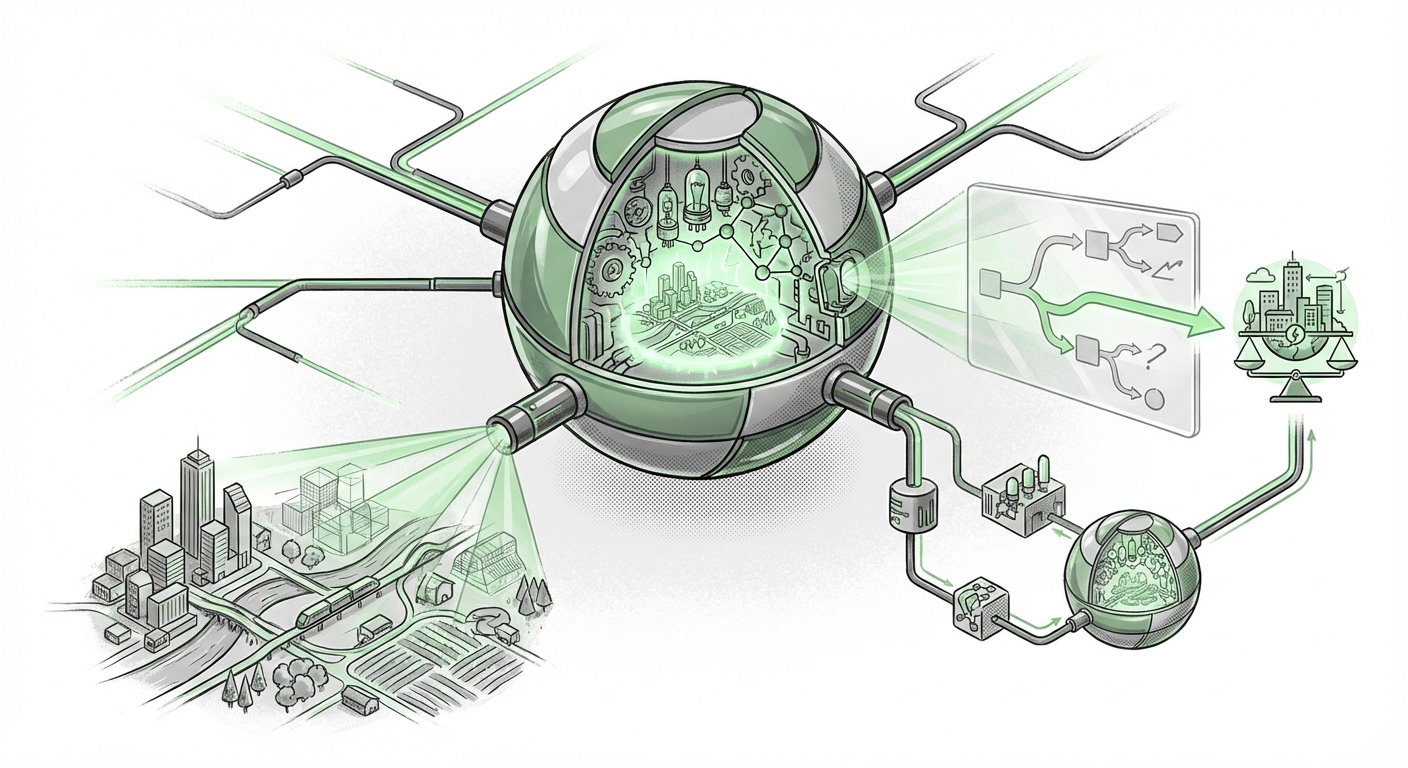
This announcement addresses exactly that problem. The system is built to identify text produced by Claude. When AI text is watermarked, a hidden pattern is woven into the writing. Think of it like a digital fingerprint. The AI model picks words in a statistically unique way that leaves a detectable trail. The pattern is invisible to human readers, but a detection tool can spot it quickly.
What Is a Watermark, Exactly?
For readers who are not technical, here is a simple mental model: imagine writing a secret message in invisible ink. You can write a completely normal paragraph, but if you know the trick, you can see the hidden signal between the lines. AI watermarking works in a similar way. The model chooses words that fit naturally, but the choices follow a secret pattern. Only someone with the right detection tool can see that pattern.
The key detail in this announcement is the detection API. An API is a set of tools that lets software talk to other software. In plain terms, Anthropic is opening the door so outside companies and organizations can build the ability to check whether a piece of text came from Claude. That is called third-party access, and it is a bigger deal than it may sound.
Why Third-Party Access Is a Big Deal
Historically, most AI detection tools have been built by outside companies guessing at how AI writes. These guesswork detectors have been unreliable. They frequently flag human writing as AI text and miss AI text entirely. That has created a lot of frustration, especially for students and writers who were falsely accused of cheating.
By offering an official detection API, the company is changing the game. Third parties will no longer have to guess. If they use this API, they can check text against the actual watermark pattern generated by Claude. This is a move toward verification instead of guesswork.
There is an important trust dimension here as well. An AI company opening up detection tools may seem counterintuitive at first. Why would a company that sells AI make it easier to identify AI text? The likely answer is that trust is becoming a product in itself. As AI-generated content floods the internet, the ability to verify what is human and what is machine becomes extremely valuable. Companies that offer transparency may win the confidence of users, regulators, and businesses.
What This Means for Businesses
For businesses, this API has practical uses that are easy to imagine.
Content Verification and Brand Safety
Companies that publish large amounts of online content may want to ensure that reviews, testimonials, and user-generated content are authentic. A watermark detection API could become part of a verification pipeline that flags suspicious content before it goes live.
Mitigating Fraud and Fake Information
Disinformation campaigns can now create large volumes of fake articles, comments, or posts very cheaply. Since Claude-generated text can carry a watermark, platforms that adopt detection could identify and label this content. Journalism organizations and social media platforms could use this as one tool among many in their safety toolbox.
Internal Governance and Compliance
Many companies have policies about when AI can be used to produce customer-facing communication. An official detection tool would let compliance teams verify whether employees are following those rules. That is a growing need in regulated industries like finance, healthcare, and law.
Content Marketplaces and Freelance Platforms
Freelance writing platforms could offer a trust badge: “Verified human writing” for pieces that pass detection. Similarly, buyers could check that they are not paying human prices for machine-generated work. This could change pricing, honesty, and competition in content marketplaces.
One caveat for businesses: detection is only useful if the checking happens before content is published. That means workflows will need to integrate the API into existing content management systems. Speed will matter. If a check takes too long, it will slow down publishing teams.
What This Means for Education and Content Creators
Education is one of the most emotional areas of the AI conversation. Teachers and professors have struggled to address AI-assisted cheating without reliable tools. False accusations have damaged trust between teachers and students. A third-party detection API could become the backbone of more accurate academic integrity tools.
But here is an important nuance: proving that text is AI-generated is not the same as proving that someone cheated. A student might use AI to brainstorm, edit, or fix grammar. Context will always matter. Schools should treat detection as a conversation starter, not a verdict machine.
Content creators face a different challenge. Bloggers, journalists, and authors want to protect their original voice. Some also worry about AI-generated content copying their style. Watermark detection gives them a way to check whether text attributed to them is real. It also lets platforms label AI content, which many readers genuinely appreciate.
The Cat-and-Mouse Reality
No technology is perfect. AI watermark detection will face ongoing pressure from people who want to bypass it. There are ways to strip watermarks, such as rewriting text or rephrasing it heavily. The research community has long known that watermarking is a delicate balance. If the watermark is too strong, text quality suffers. If it is too weak, it gets missed.
So it is wise to view this API as one layer of a larger trust system, not a magic bullet. It will work best when combined with metadata standards, platform policies, human review, and educational awareness.
There is also a coordination problem. This watermark helps detect text from one specific AI assistant. Other major AI systems have their own approaches or no approach at all. The internet is a patchwork of models. Long-term, the industry may move toward shared standards so that any platform can check text from any major provider with a single integration. That standardization is still a few steps away.
Challenges and Open Questions
Several questions remain. First: How accessible will this API be? Will it be free for small developers, or reserved for large enterprise clients? The promise of third-party access is strongest if smaller organizations can also use it.
Second: How accurate will it be? Detection systems live and die by their false positive rate. A 1% false positive rate sounds small, but on a platform with millions of posts, that means thousands of innocent texts get flagged. Given the history of false AI-detection accusations, precision is paramount.
Third: Can watermarks survive translation and paraphrasing? If a Claude-generated paragraph is translated into another language or rewritten heavily, does the mark persist? The answer shapes how useful the tool is on a global, multilingual internet.
Fourth: Will this become a standard feature across the industry? If one company moves first and wins trust, other providers may follow. Healthy competition in transparency could become a way to differentiate products.
Actionable Insights: What Should You Do Now?
For Business Leaders
Start planning how AI verification fits into your content workflows. Test watermark detection on your own AI outputs. Understand that “human-written” and “AI-written” labels are becoming new data points in your systems. Treat this as a feature, not a threat.
For Developers
Think about building tools that use the API in useful ways. There is room for browser extensions that flag AI text, dashboards for content teams, and automated moderation tools. The API turns an abstract concern into a product opportunity.
For Educators
Wait for more evidence before institutionalizing any detection tool. Run pilot tests. Measure false positive rates. And always combine automated detection with human judgment and conversations with students.
For Everyone
Be a smarter consumer of online text. Question whether the review you are reading reflects a real human experience. AI transparency is improving, but it is not universal.
The Road Ahead
The announcement of this watermark detection API is a marker in the timeline of AI history. It signals a shift from a phase where the industry focused primarily on making AI more powerful, to a phase where the industry must also make AI more accountable. The ability of third parties to detect AI text is an acknowledgment that widespread AI use demands verification tools.
The future of AI is not just about what models can do. It is about how society keeps trust intact while using them. Systems that help people know what they are reading are not obstacles to AI adoption. They are the foundation for it. When a reader can verify what is machine-made and what is human-made, they can choose how much weight to give it. That choice is the essence of informed consent in the digital age.
Expect this space to move quickly. The distance between a company announcing a detection API and the emergence of an entire ecosystem of verification tools can be very short. The businesses, schools, and creators who prepare for that ecosystem now will have a head start.
A New Standard for Digital Trust
This watermark detection API is more than a technical announcement. It is a statement about the kind of AI future worth building: one where AI text does not hide in the shadows, where third parties are trusted to verify, and where users are empowered with better information. The technology will evolve, the cat-and-mouse games will continue, and no single tool will solve every problem. But the direction is clear. Transparency is becoming a core feature of the AI industry, and that is good news for all of us.
TLDR: Anthropic has announced a watermark detection API that will let third parties detect AI-generated text from Claude. This shifts AI text identification from unreliable guesswork to formal verification, with major implications for businesses, schools, platforms, and everyday internet users. While challenges like bypass methods and cross-provider standards remain, the move signals that transparency and digital trust are becoming core parts of the AI industry’s future.