Copilot Pricing Gets Complicated: What It Means for the Future of AI
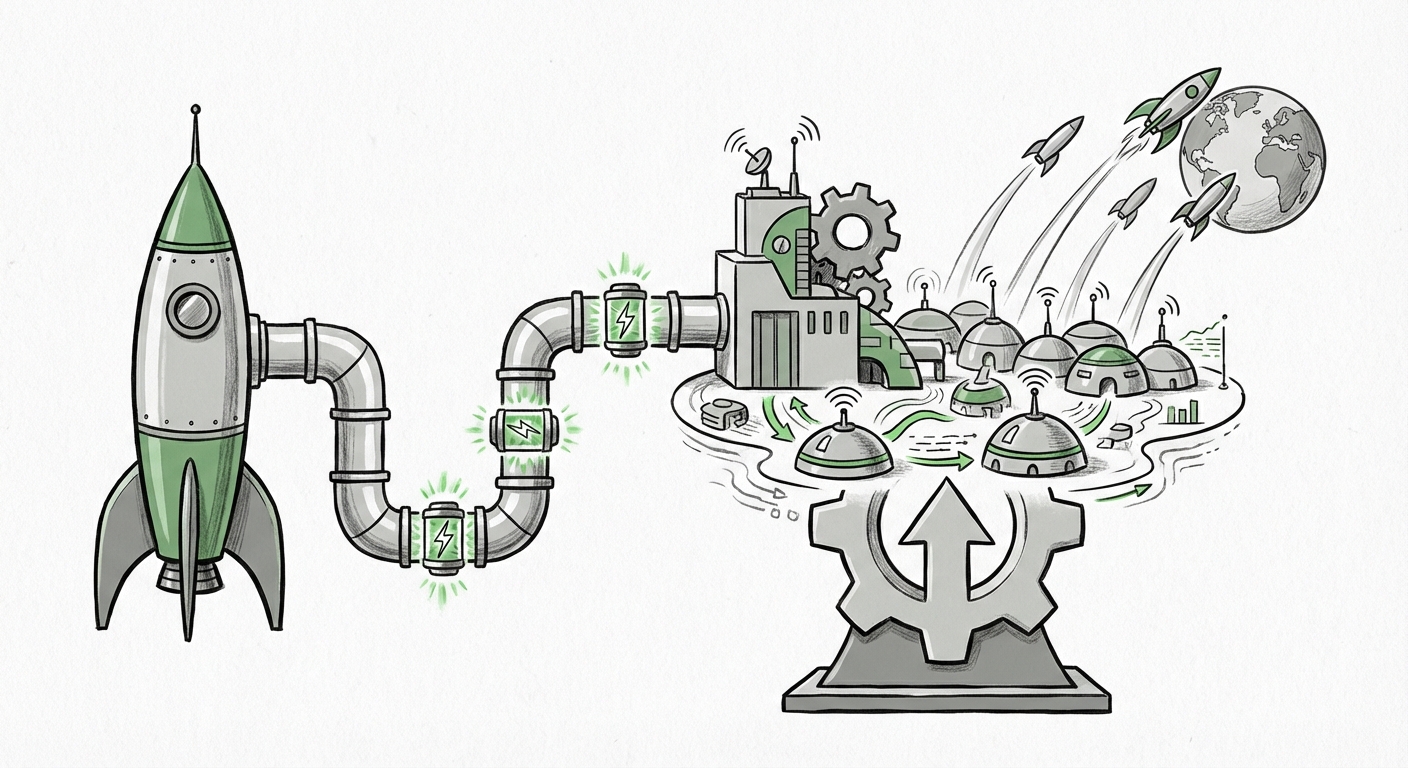
The days of the simple AI subscription are ending. For the past few years, buying an AI assistant was about as complicated as buying a streaming service. You picked a plan, paid a flat monthly fee per person, and everyone got roughly the same thing. That era is over. Copilot pricing has gotten complicated, and that complexity is not a bug or a billing mistake. It is a preview of how the entire AI industry will charge for intelligence from here on out.
This shift matters far more than it first appears. When pricing gets complicated, it tells you something fundamental has changed about the product itself. Flat pricing works when a product is cheap to run and everyone uses it the same way. Complicated pricing shows up when the product becomes expensive to run, when usage varies wildly from person to person, and when some customers get enormous value while others get almost none. That is exactly where AI assistants are today.
Why AI Pricing Is Suddenly So Messy
To understand why AI billing is getting harder, think about what happens every time you ask an AI assistant a question. Somewhere in a data center, powerful computers do real work. They burn electricity, they occupy expensive hardware, and they take time. That cost happens every single time you use the tool, not once when the software was built.
Compare that to traditional software. Once a word processor is written, a million more people using it costs the company almost nothing. Software has famously near-zero marginal cost. AI does not work that way. Every click, every summarized document, every generated draft, every automated task carries a fresh cost. The more you use it, the more the vendor pays.
Now layer on the second problem: usage varies enormously between people. One employee might ask a handful of questions a week. Another might run long automated workflows all day long. Under flat pricing, those two people cost the same, even though one might consume hundreds of times more computing power than the other. Vendors cannot sustain that forever. So the industry is splitting the bill into pieces.
The Three Buckets of Modern AI Pricing
What looks like chaos is actually settling into a recognizable pattern. Almost every complicated AI price sheet today is a mix of three things:
- Seat-based fees. The traditional per-person monthly charge. This pays for access, the right to log in, the basic features, and the security and management tools companies need. It is predictable and easy to budget.
- Consumption or usage-based fees. This is where things get cloudy. Charges tied to how much computing power you actually use, messages sent, documents processed, tasks automated. It behaves more like an electricity bill than a software subscription. Use more, pay more.
- Add-on and premium tiers. Specific capabilities, advanced automation, deeper analysis, specialized tools, get carved out and sold separately. This lets vendors charge more to the customers who get the most value, without raising the price on everyone.
Mix those three together, and you get a pricing page that reads like a phone bill from the 1990s. That is not a coincidence. It is what happens when a technology is genuinely expensive to deliver and genuinely uneven in how people use it.
What This Means for Businesses Right Now
For companies, the practical consequences arrive fast, and they are mostly about control.
Budgets become unpredictable. A flat per-seat model is easy to forecast. A model with a usage component is not. Finance teams that used to approve a fixed annual software line item now face costs that can swing based on how enthusiastic employees get. A single team running heavy automation could quietly move the needle on a company's monthly spend.
Usage needs managing, not just enabling. When every action has a cost, companies need to think about who gets access to the expensive features, when, and for what. This is not about being stingy. It is about making sure the AI is pointed at work that actually matters, instead of burning budget on low-value tasks because nobody was paying attention.
The finance and IT teams get a new job. Someone now has to track consumption, set limits, and decide which tasks justify higher-tier tools. That role did not really exist a few years ago. It does now.
Vendors get compared differently. When pricing structures differ wildly between providers, comparing them becomes genuinely hard. A cheaper headline price can hide expensive usage fees, and a premium plan can turn out to be the better deal for a heavy user. The smart move is to model your own expected usage before signing anything.
What This Means for the Future of AI
The complexity in AI pricing is a signpost, and it is pointing somewhere specific: the industry is moving from selling access to selling outcomes.
Early AI was sold like software, a license to use a tool, and what you did with it was your business. The next phase is different. As AI agents take on longer, more independent tasks, researching, drafting, executing multi-step workflows, the value becomes tied to work completed, not seats occupied. You can already see pricing structures reaching toward that idea: charges tied to tasks performed, work automated, or results delivered.
That change has big implications. If AI is priced by outcome, then the question shifts from "how many licenses do we need?" to "what is this worth to us when it works?" That is a healthier question for buyers, and a harder one for vendors. It forces the AI to be genuinely useful rather than just present.
There is a second implication: AI will get more expensive for heavy users and cheaper for light ones. The flat-fee era quietly subsidized power users at the expense of casual ones, and vendors ate the difference. As that unwinds, the price you pay will track the value you get much more closely. Some businesses will find their costs rising sharply. Others will find AI cheaper than they expected.
Third, expect tiers to multiply and then consolidate. Right now the landscape is confusing because everyone is experimenting. History suggests this settles, pricing always does, eventually, but usually not before a messy middle period that frustrates buyers. We are in that middle period now.
A Practical Playbook for Buyers
If your organization is staring at a complicated AI price sheet, here is how to handle it without overreacting:
- Estimate your real usage first. Before comparing plans, work out how your teams actually use AI today. Light, moderate, and heavy users behave very differently, and that spread drives the bill.
- Model three scenarios. A low-usage month, a typical month, and a heavy month. The scary number is usually the heavy one, so plan for it rather than being surprised by it.
- Set spending guardrails. Caps, alerts, and approval steps for premium features. Not to block people, but to keep one enthusiastic team from quietly blowing the budget.
- Watch the value, not just the price. A plan that costs more but replaces real work hours can be the cheapest option you have. A plan that saves money but nobody uses is the most expensive.
- Review regularly. AI pricing is changing fast. What was the wrong deal six months ago may be the right one now, and vice versa.
The Bigger Picture
Zoom out, and the messy pricing page is a sign of a technology growing up.
When something is free or flatly priced, we tend to treat it casually, we use it without thinking about the cost of a click. When it is metered and priced by usage, we start treating it like a resource. That shift in mindset is important. As AI becomes a genuine part of how work gets done, it stops being a fun add-on and becomes infrastructure, something you plan around, budget for, and manage carefully.
That is also where the societal questions arrive. If advanced AI is priced in layers, with the most capable tools behind higher and usage-based charges, then access to the best AI depends on budget. Small businesses, schools, nonprofits, and individuals could end up working with less powerful tools than large enterprises. That gap is worth watching closely. It does not mean the technology is bad, but it does mean the benefits will not spread evenly unless someone pays attention.
On the positive side, usage-based pricing can also make AI more accessible at the entry point. If you only pay for what you use, the cost of trying AI drops dramatically. You no longer need to commit to an expensive annual contract to find out whether it helps. That lowers the barrier for smaller players, even as it raises the ceiling for heavy ones.
The Takeaway
Complicated AI pricing is not a temporary annoyance. It is the shape of things to come. As AI moves from a novelty assistant to a working engine inside real businesses, its pricing will look less like software and more like utilities and services, a blend of access fees, usage charges, and payment for results.
For leaders, the message is simple: stop thinking about AI as a subscription line item and start thinking about it as an operational cost with real variance. Understand usage, set guardrails, and measure value per dollar rather than dollars alone. The organizations that figure this out early will get more from AI at a lower effective cost than those that just sign whatever is in front of them.
The pricing got complicated because the technology got serious. That is a hard transition, and ultimately a good sign.