SyGra: The One-Stop Framework for Building Data for LLMs and SLMs, What It Means for the Future of AI
Artificial intelligence is only as good as the data it learns from. That simple truth has become the biggest bottleneck in modern AI development. Companies everywhere are racing to build smarter large language models (LLMs) and small language models (SLMs), but they keep hitting the same wall: finding, cleaning, and preparing enough high-quality data. Enter SyGra, a new one-stop framework designed to tackle exactly that problem. While details are still emerging, the very concept signals a major shift in how we think about AI development. This article explores what a unified data-building framework means for the future of AI and how it will be used in the real world.
The Data Challenge in AI Development
Building a language model is a lot like cooking a gourmet meal. You can have the best chef (the algorithm) and the fanciest kitchen (the hardware), but if your ingredients (the data) are stale or low-quality, the final dish will disappoint. For years, AI teams have struggled with fragmented tools and processes for data collection, labeling, augmentation, and evaluation. They juggle multiple scripts, platforms, and pipelines, each with its own quirks and costs. This fragmentation slows down innovation and makes it hard for smaller teams to compete.
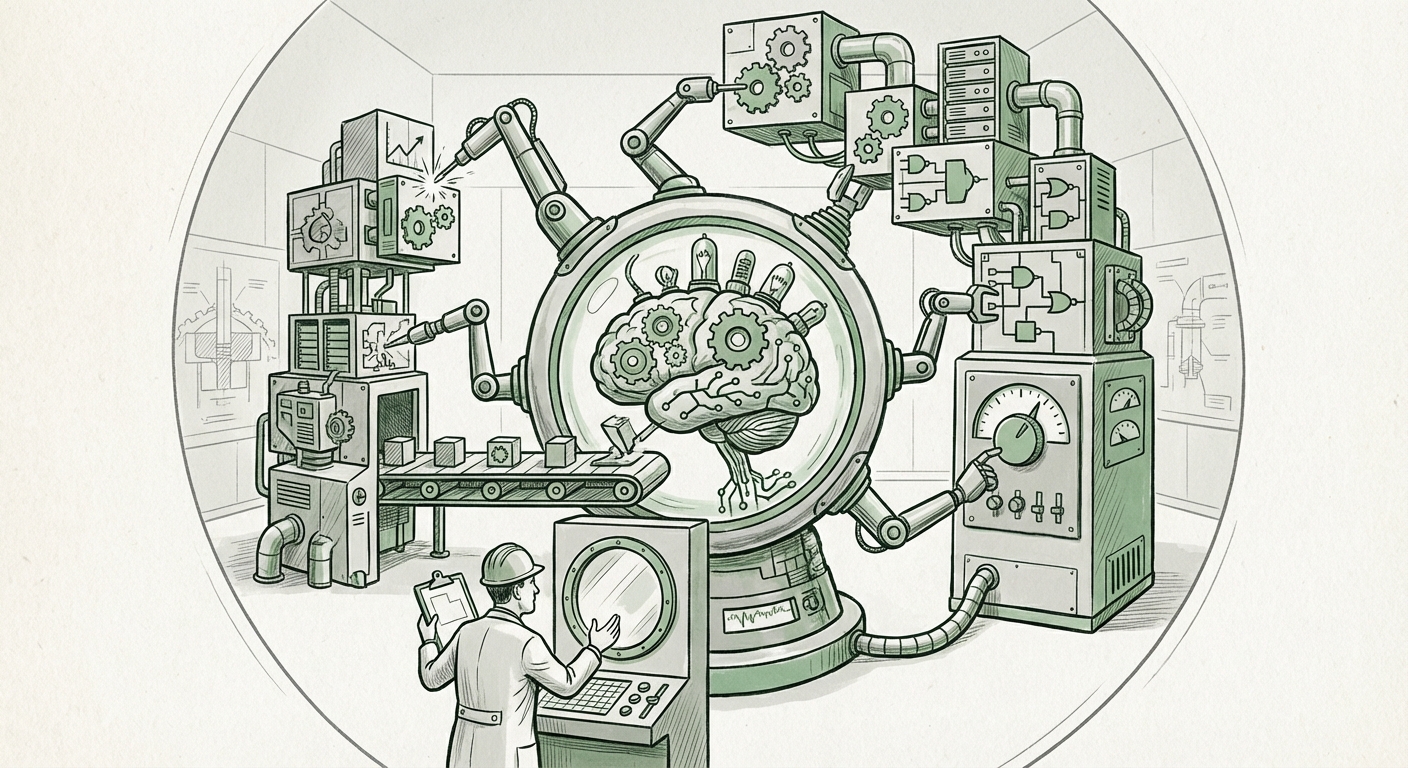
SyGra’s promise as a “one-stop framework” directly addresses this pain. By consolidating the entire data-building workflow into a single, unified system, it could dramatically lower the barrier to entry. Instead of spending weeks stitching together different tools, developers could focus on what actually matters: designing better models and solving real problems. That shift from data wrangling to data strategy is long overdue.
What a “One-Stop Framework” Really Means
The phrase “one-stop” gets thrown around a lot in tech, but in the context of AI data, it carries serious weight. A true one-stop framework would likely handle the full lifecycle: sourcing raw data, cleaning and filtering it, generating synthetic examples, labeling or annotating, and even evaluating the resulting dataset for bias and quality. For LLMs, which need massive and diverse text corpora, this is a herculean task. For SLMs, which are smaller and more focused, the need for precision is even higher, every data point must count.
By offering a single, integrated solution, SyGra could standardize how teams build data. Standardization brings reproducibility, which is a huge deal for research and enterprise adoption. When everyone uses the same framework, results become comparable, best practices spread faster, and debugging gets easier. It also opens the door to automation: if the framework is well-designed, many tedious data tasks could be automated, freeing human experts to focus on edge cases and creative problem-solving.
The Rise of Small Language Models (SLMs)
One of the most exciting aspects of SyGra is its explicit focus on both LLMs and SLMs. SLMs are having a moment. These compact models, often with a few billion parameters or fewer, can run on local devices, offer faster responses, and cost far less to operate. They’re perfect for tasks like customer support chatbots, document summarization, and on-device assistants. But SLMs are extremely sensitive to data quality. Because they have less capacity to “absorb” noise, every training example must be highly relevant and accurate.
A framework like SyGra that treats SLM data needs as a first-class citizen could accelerate SLM adoption across industries. Imagine a hospital that wants a private, on-premise model for analyzing patient notes, they can’t send sensitive data to a giant cloud LLM. With a tool that helps them build a high-quality, domain-specific dataset for an SLM, they could deploy a safe, effective solution. That’s the kind of practical impact a one-stop data framework enables.
Implications for Businesses and Society
For businesses, the arrival of SyGra-style frameworks means the AI playing field could become more level. Right now, only the biggest tech companies can afford the massive data operations needed to train cutting-edge LLMs. But if data building becomes easier and more affordable, small and mid-sized companies can build custom models tailored to their niche. A regional retailer could train an SLM on local shopping trends; a law firm could fine-tune a model on case law. This democratization of AI development is a net positive for innovation and competition.
Society could benefit too. Better data frameworks can help reduce bias in AI systems. When data collection and labeling are standardized, it’s easier to audit for fairness and representation. SyGra’s one-stop nature could bake in checks for diversity and quality from the start, rather than treating them as afterthoughts. That’s a big step toward more trustworthy AI.
On the flip side, easier data building could also lead to more low-quality or synthetic data flooding the ecosystem. If everyone can generate data quickly, we might see a rise in models trained on recycled or artificial content, which can degrade performance over time. The framework’s success will depend on how well it encourages responsible data practices, not just fast data generation.
Actionable Insights for AI Teams
So what should AI practitioners and business leaders do with this information? Here are a few practical takeaways:
- Start thinking about data as a product. Whether or not you adopt SyGra, treat your training data with the same rigor as your code. Version it, document it, and test it.
- Evaluate your SLM strategy. If you’re only focused on LLMs, you might be missing cost-effective opportunities. SLMs are powerful for narrow tasks, and frameworks that support them are worth watching.
- Prepare for standardization. As tools like SyGra mature, expect industry-wide standards for AI data. Early adopters will have a head start.
- Invest in data quality, not just quantity. The next wave of AI breakthroughs will come from smarter data, not just bigger data. A one-stop framework is only as good as the quality checks you build into it.
- Keep an eye on open-source vs. proprietary. The article doesn’t specify SyGra’s licensing, but the framework’s impact will depend on accessibility. Advocate for open standards if you want a healthy ecosystem.
The Road Ahead
SyGra’s introduction is a clear signal that the AI community is waking up to the data problem. We’ve spent years obsessing over model architectures and parameter counts, but the real lever for progress is data. A one-stop framework for building data for both LLMs and SLMs could be the missing piece that unlocks the next wave of AI applications, from personalized education to on-device healthcare assistants.
Of course, the framework is only as good as its execution. We’ll need to see how it handles the messy realities of real-world data: missing values, noisy labels, privacy constraints, and domain shifts. But the direction is right. By making data building more integrated, reproducible, and accessible, SyGra and similar tools will shape how AI is built for years to come. The future of AI isn’t just about smarter algorithms, it’s about smarter data pipelines. And that future is starting to look a lot more unified.